?Are we the masters of technology, or merely data to be consumed
By: Instructor Dr. Ahmed Hassan Al-Janabi
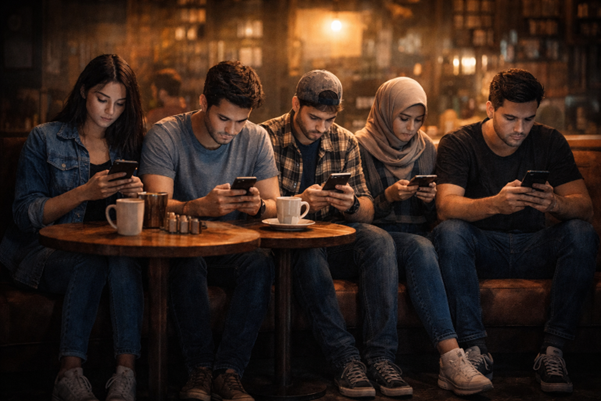
Let us put the dots on the letters and examine our reality with a critical eye, away from superficial fascination with the glitter of screens. When we sit today in city cafés or the crowded corridors of our universities and see heads collectively bowed toward smartphones, we realize that we are at the heart of an unprecedented storm of change. It is the digital revolution that promised us an earthly paradise: faster education, limitless communication, and economic prosperity.
Yet, amid this technological flood, have we dared to ask the forbidden question: what is the price we silently pay for this prosperity?
The illusion of connection… and the reality of collective “alienation”
The painful paradox of our time is that we possess communication tools our ancestors could never have imagined, yet we suffer from suffocating social alienation. We have gradually turned into isolated islands, replacing the warmth of a real handshake with a cold “like” on social media. This total immersion has not only created a generation plagued by anxiety and digital addiction, but has also led us to seriously question: are we the ones using these tools to serve us, or are they draining our souls and our time?
The race for survival… and anxiety about the future
The obsession that keeps every university student awake at night today is the “treachery of the future.” Yes, technology has opened new horizons, but it has also brought with it the specter of automation and artificial intelligence, which has begun to compete with humans for their livelihoods. The fear is not of progress itself, but of the widening “digital divide” that may leave many stranded on the platform of unemployment if they do not develop their skills at the speed of light to keep up with this technological beast.
You are the target… and your mind is the “vulnerability”
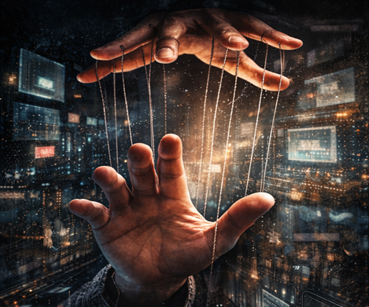
Here we reach the crux of the matter and the darkest side of this revolution. In the past, we feared viruses that attacked our computers; today, the real danger targets our minds. What is known as “social engineering” has become the new dirty game. Hackers no longer need to break complex banking systems; it is enough to deceive you with a fake email or an emotional message for you to hand over the keys to your life voluntarily. In this context, the human being—through lack of awareness or excessive trust—becomes the weakest link that hackers bet on, not a flaw in the technical system.
Finally… awareness before technology
The digital revolution is a fast-moving train that will not stop. Trying to stand in its way is suicide, but boarding it without awareness is negligence. The challenge before us is not to reject technology, but to tame it. We must arm ourselves with security awareness as a first line of defense and strike a balance between our digital consumption and our real lives, to ensure that we are the ones steering the future—
not merely numbers and data in merciless algorithms.