Medical Aesthetics: A Modern Part of Healthcare
Medical aesthetics has developed rapidly in recent decades and is now considered an important branch of modern healthcare rather than a purely cosmetic service. This field focuses not only on improving physical appearance but also on enhancing psychological well-being, self-confidence, and overall quality of life. In contemporary medical practice, appearance and mental health are closely connected, making aesthetic medicine a legitimate and necessary medical discipline.
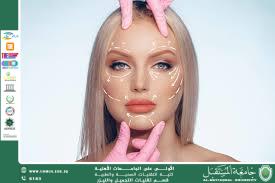
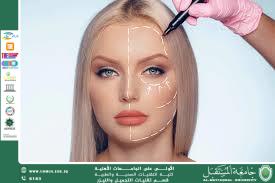
Medical aesthetics includes both non-surgical and surgical interventions. Non-surgical procedures are widely preferred due to their safety, effectiveness, and minimal recovery time. These procedures include botulinum toxin injections, dermal fillers, laser treatments, chemical peels, microneedling, and radiofrequency-based technologies. Such treatments aim to improve skin texture, reduce wrinkles, restore volume, and treat pigmentation and scars.
Surgical aesthetic procedures are indicated when structural correction is required. These include rhinoplasty, blepharoplasty, liposuction, abdominoplasty, and body contouring surgeries. Unlike non-medical cosmetic practices, aesthetic surgery is performed according to strict anatomical, physiological, and surgical principles, ensuring patient safety and optimal outcomes.
A fundamental pillar of medical aesthetics is proper patient assessment. This includes taking a detailed medical history, evaluating skin type and facial anatomy, identifying contraindications, and discussing patient expectations. Unrealistic expectations are a common cause of dissatisfaction; therefore, patient education and informed consent are essential steps before any procedure.
The psychological impact of aesthetic treatments should not be underestimated. Many patients suffer from low self-esteem, anxiety, or social withdrawal due to visible scars, facial asymmetry, aging changes, or congenital deformities. Studies have shown that appropriate aesthetic interventions can significantly improve self-image and emotional well-being when performed ethically and responsibly.
Medical aesthetics also plays an important reconstructive role. Scar revision after trauma or surgery, burn management, and correction of congenital abnormalities are examples where aesthetic procedures contribute directly to physical rehabilitation and psychological recovery. In such cases, aesthetic medicine overlaps with reconstructive surgery and becomes part of comprehensive patient care.
Ethical practice is a core principle of aesthetic medicine. Physicians must prioritize patient safety, avoid over-treatment, and respect cultural and social factors. The goal is natural enhancement rather than artificial alteration.
In conclusion, medical aesthetics is a scientifically grounded medical specialty that integrates physical health, psychological well-being, and ethical practice. When performed by trained professionals, it becomes an essential component of holistic healthcare rather than a luxury service.
AL_mustaqbal University is the first university in Iraq