
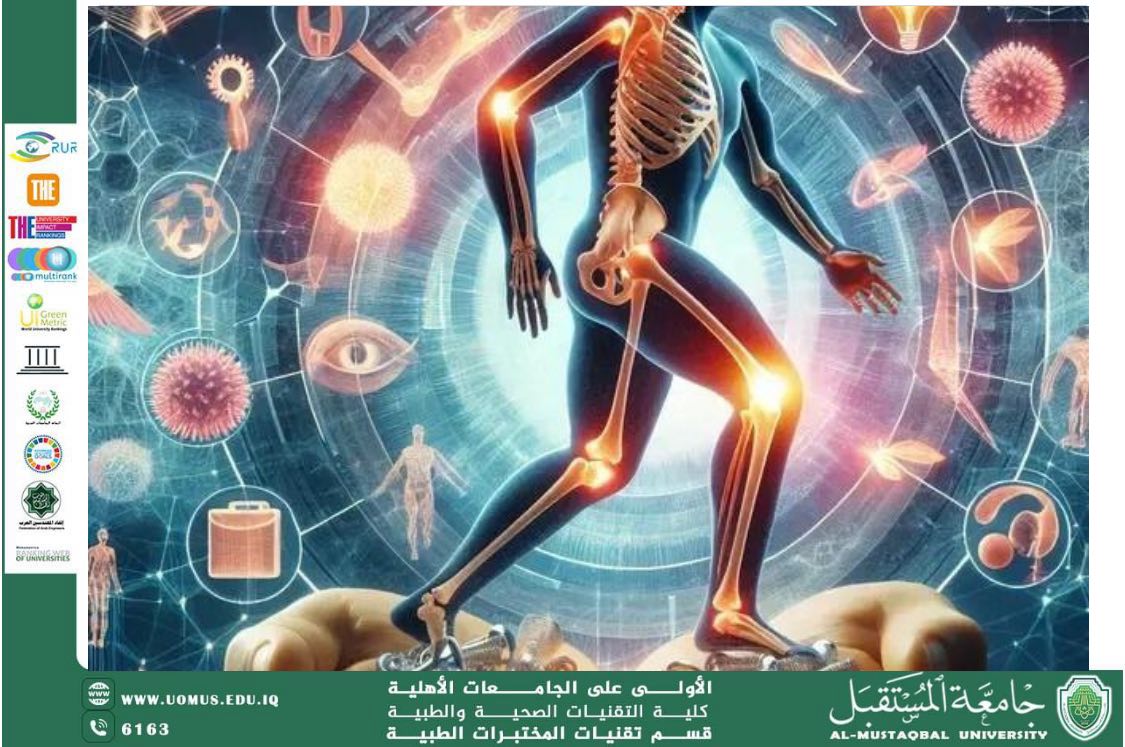
A Scientific Article by Ms. Zahraa Badr Mohammed Entitled: “Fibromyalgia: A Deeper Understanding of Chronic Pain Disorder”
Introduction
Fibromyalgia is a chronic condition that causes widespread pain in muscles and joints, accompanied by a range of physical and psychological symptoms that significantly affect the patient’s quality of life. It is sometimes referred to as the “silent pain disease” because it does not appear in conventional laboratory tests, making diagnosis challenging and, in some cases, taking years.
Causes of the Disease
The exact causes of fibromyalgia are not fully understood, but scientific studies indicate several potential contributing factors:
1. Abnormal pain processing: It is believed that the nervous system of affected individuals exaggerates pain signals, causing them to perceive greater pain than the actual intensity.
2. Genetic factors: There is a hereditary tendency, as family members are more likely to develop the disease.
3. Psychological stress and life pressures: Chronic stress or psychological trauma may contribute to the onset of the disease or exacerbate its symptoms.
4. Hormonal changes: Some studies link decreased levels of certain hormones with an increased risk of developing the condition, especially in women.
Symptoms
Fibromyalgia symptoms vary and may include:
• Persistent pain in muscles and joints
• Chronic fatigue even after adequate sleep
• Sleep disturbances, such as insomnia or non-restorative sleep
• Difficulty concentrating or short-term memory loss (“brain fog”)
• Migraine or general headaches
• Digestive disorders, such as irritable bowel syndrome (IBS)
Diagnosis
The diagnosis of fibromyalgia relies on medical history and clinical examination. Physicians look for specific tender points in the body and evaluate the severity of chronic pain. Other similar conditions, such as rheumatoid arthritis or thyroid disorders, are often ruled out before confirming the diagnosis.
Treatment Methods
There is currently no definitive cure for fibromyalgia, but symptoms can be managed and quality of life improved through:
1. Medications: Including pain relievers, antidepressants, and sometimes drugs to improve sleep.
2. Physical exercise: Activities like walking, yoga, and aquatic exercises help reduce pain and improve physical fitness.
3. Healthy nutrition: A balanced diet containing essential vitamins and minerals may reduce inflammation and boost energy.
4. Psychological support and relaxation: Psychological therapy or meditation techniques help cope with chronic pain and reduce stress.
Community Awareness
Raising awareness about fibromyalgia helps promote understanding and support for patients from families, communities, and healthcare institutions. It also encourages ongoing research into innovative ways to manage chronic pain and improve quality of life.
Conclusion
Fibromyalgia is a complex condition that requires a multidisciplinary approach involving mental health professionals, medical specialists, and the patient. Early diagnosis, proper management, and psychological and social support form the foundation for a better life for patients and reduce the disease’s impact on daily activities.
Al-Mustaqbal University is the first university in Iraq
Department of Medical Laboratory Techniques – First in the Iraqi National Ranking.