The System of Values and Formal Variables in Interior Space Design
Interior space design is a complex creative process that seeks to achieve a balance between functional, aesthetic, and human aspects. Within this process, the system of values interacts with formal variables to shape the visual and functional identity of a space. Interior design goes beyond arranging physical elements; it reflects cultural, social, and psychological values that directly influence users’ behavior, comfort, and interaction with the environment.
The system of values in interior space design refers to the set of principles and criteria that guide design decisions, including aesthetic, functional, cultural, and environmental values. Aesthetic values contribute to creating visually harmonious and balanced spaces, while functional values ensure that users’ needs are met efficiently. Cultural values express the identity and traditions of society through forms, colors, and materials. Environmental values, on the other hand, emphasize sustainability, the use of eco-friendly materials, and energy efficiency.
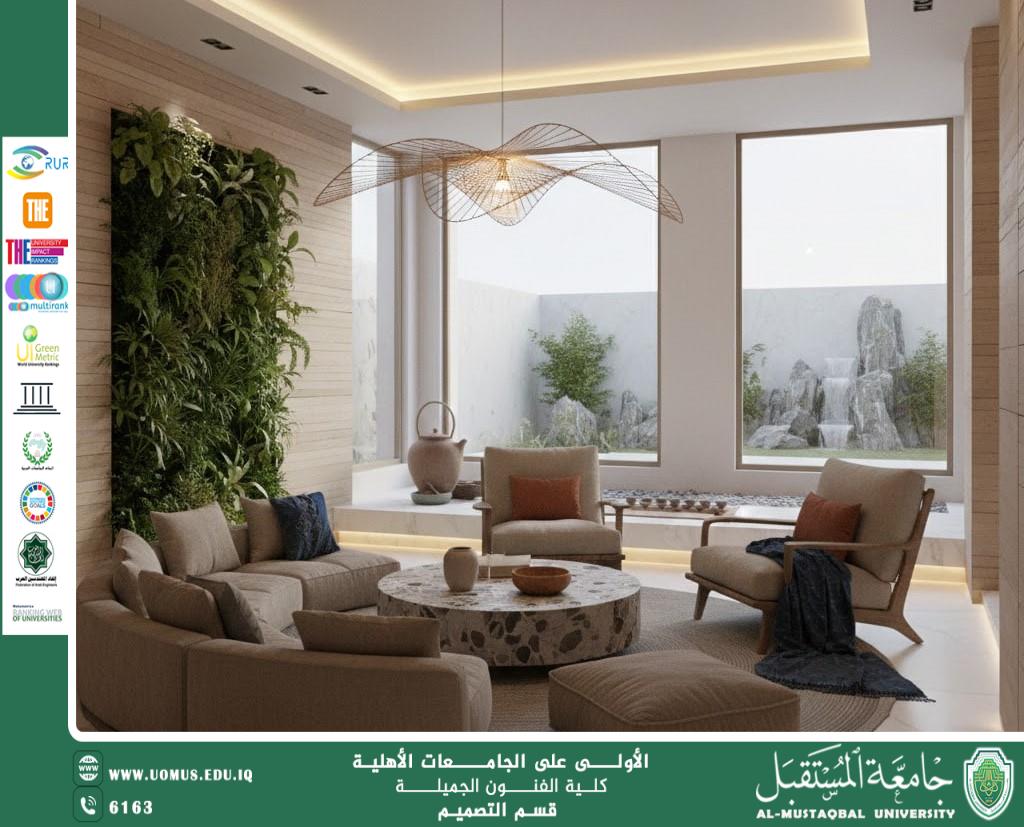
Formal variables represent the visual elements that designers rely on to shape interior spaces, such as form, color, texture, lighting, proportions, and lines. These variables are essential tools for translating the system of values into a tangible reality. Color selection affects users’ psychological responses, lighting plays a key role in highlighting aesthetic qualities and enhancing functionality, and textures and materials influence the overall perception of comfort, luxury, or simplicity within a space.
The relationship between the system of values and formal variables is integrative and complementary. Values guide the design vision, while formal variables embody this vision in a physical form. The more harmonious this relationship is, the more successful the interior space becomes in fulfilling users’ needs and providing a comprehensive spatial experience.
In conclusion, understanding the system of values and formal variables in interior space design is fundamental to producing thoughtful designs that combine aesthetics, functionality, and identity. This understanding also contributes to creating interior environments capable of adapting to contemporary changes while preserving the human and cultural dimensions of design.
Almustaqbal University, The First University in Iraq.