A Scientific Article by Mrs. Suja Fadhel Abbas: “Space Travel and Its Effects on the Human Body: What Happens if We Live in Space?”
Humanity has long dreamed of traveling to space and exploring distant planets and celestial bodies, yet few people are aware of the profound and astonishing effects that occur in the human body in an environment entirely different from Earth. In conditions of microgravity or zero gravity, bodily functions change significantly, and astronauts must adapt to these changes to maintain their health.
One of the most prominent physiological effects of space is muscle weakening and bone loss. Due to the lack of gravity pulling the body toward the ground, muscles do not need to exert the same effort for movement, gradually weakening, while bones begin to lose mineral density. This makes daily exercise, using specialized resistance equipment, vital to maintaining bodily strength. Studies have shown that bone loss in space can occur much faster than osteoporosis on Earth, highlighting the necessity of scientific research in this area to develop effective treatments.
Additionally, blood and fluid distribution in the body changes. On Earth, blood is usually concentrated in the lower body, but in space, it moves toward the head, causing facial swelling, nasal congestion, and sometimes increased eye pressure, which can affect vision even after returning to Earth. This phenomenon has demonstrated the human body’s remarkable adaptability to unusual conditions, although it presents significant long-term challenges.
Moreover, space affects the nervous system and mental health. Living in isolation, in confined environments, with the absence of natural day-night cues, can lead to sleep disturbances, feelings of loneliness, and increased stress levels. For this reason, space agencies implement comprehensive psychological support programs for astronauts, including continuous communication with Earth, mental exercises, and relaxation techniques.
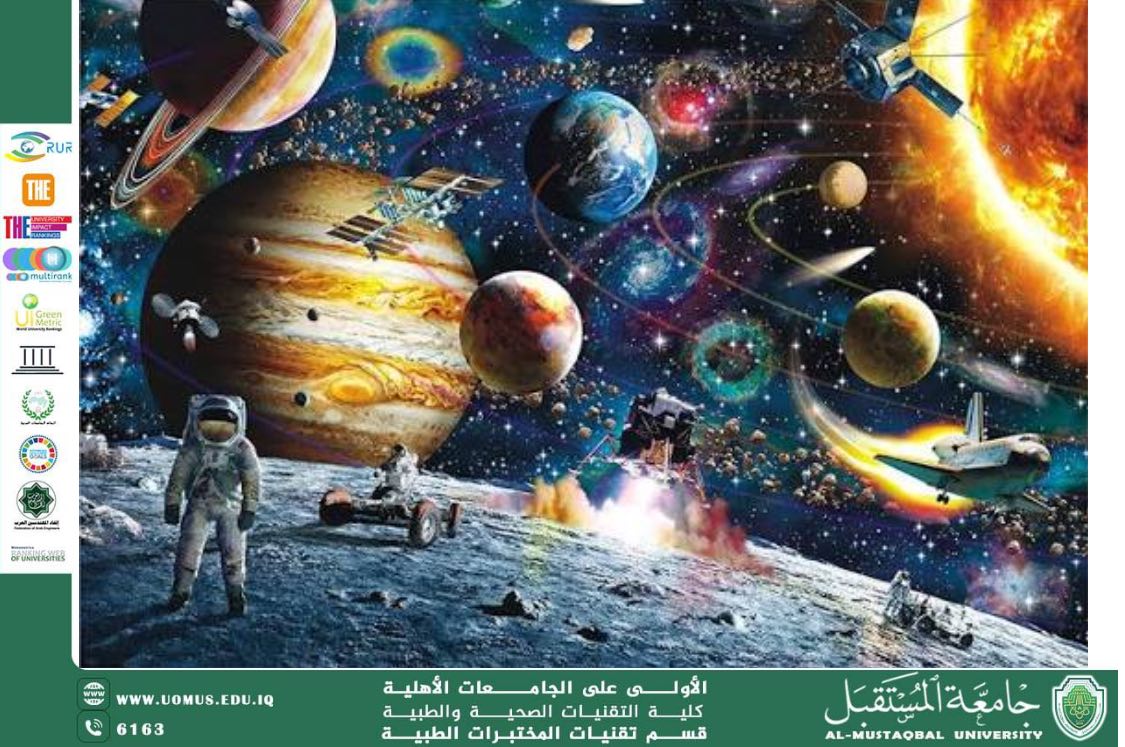
Space laboratories, such as the International Space Station (ISS), have become real laboratories for studying the effects of space on humans. Scientists do not limit their studies to bone loss or muscle weakening but also investigate the effects of cosmic radiation on cells and DNA, immune system changes, and disease prevention strategies in high-risk environments. This research not only benefits astronauts but also provides valuable insights into understanding diseases on Earth, such as osteoporosis, immune deficiencies, and certain types of cancer, enabling the development of innovative treatments.
Another fascinating phenomenon is the temporary increase in human height by a few centimeters due to spinal elongation in the absence of gravity. Although temporary, this illustrates the body’s ability to adapt to an entirely different environment. Similarly, human senses gradually adjust to space, as visual and auditory signals and the sense of balance adapt to microgravity, opening avenues for future research on how the brain functions in unfamiliar environments.
Looking ahead, with plans to travel to Mars and other planets, understanding the long-term effects of space on the human body will be essential. Studying physiological and psychological changes will help design training programs, specialized diets, and advanced life-support systems that allow humans to live and work safely beyond Earth. Furthermore, this research may contribute to developing new medical solutions for diseases on Earth, improving human health and quality of life.
In conclusion, space travel is not merely a dream or adventure; it is a living laboratory for understanding the human body and mind under extraordinary conditions. While astronauts face unprecedented challenges, science continues to uncover new insights into the body’s adaptability, transforming space from a distant, mysterious place into a tool for understanding life itself and enhancing our health on Earth.
Al-Mustaqbal University is the first university in Iraq
Department of Medical Laboratory Techniques – First in the Iraqi National Ranking.