nt Digital Twin: The Future of Biomedical Engineering and Pre-Operative Testing
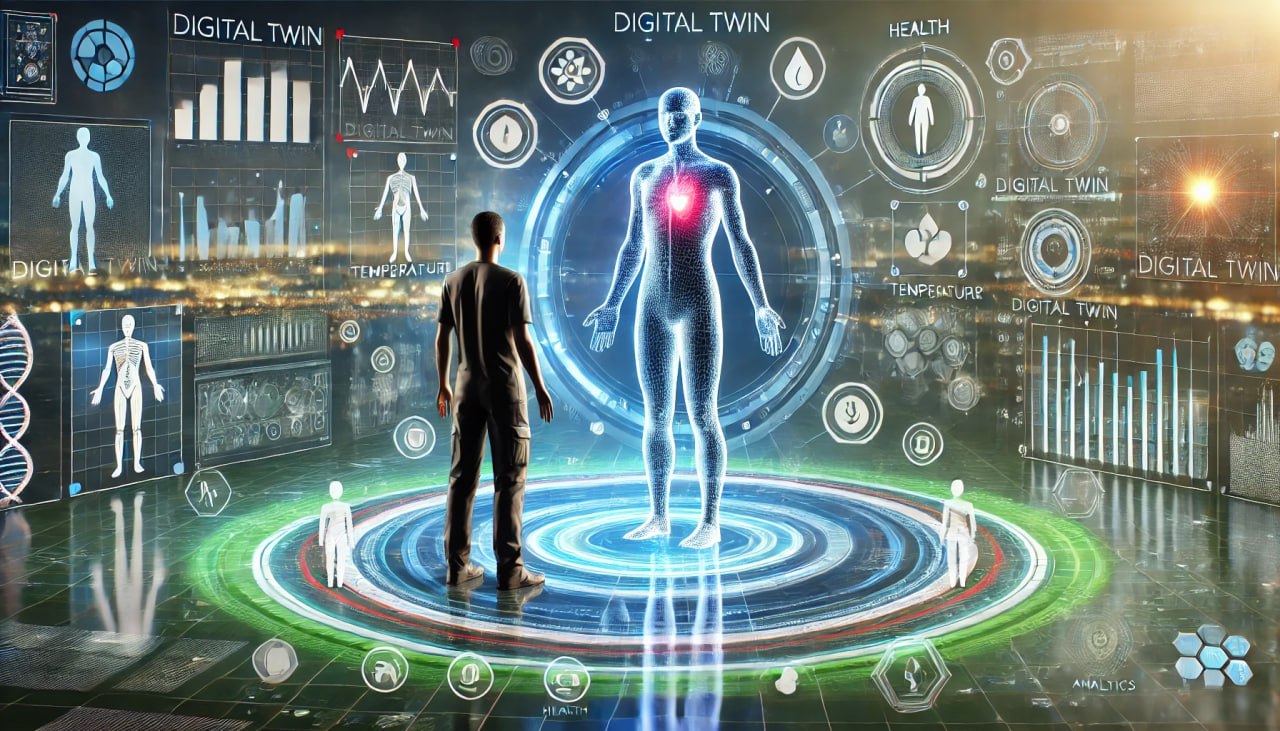
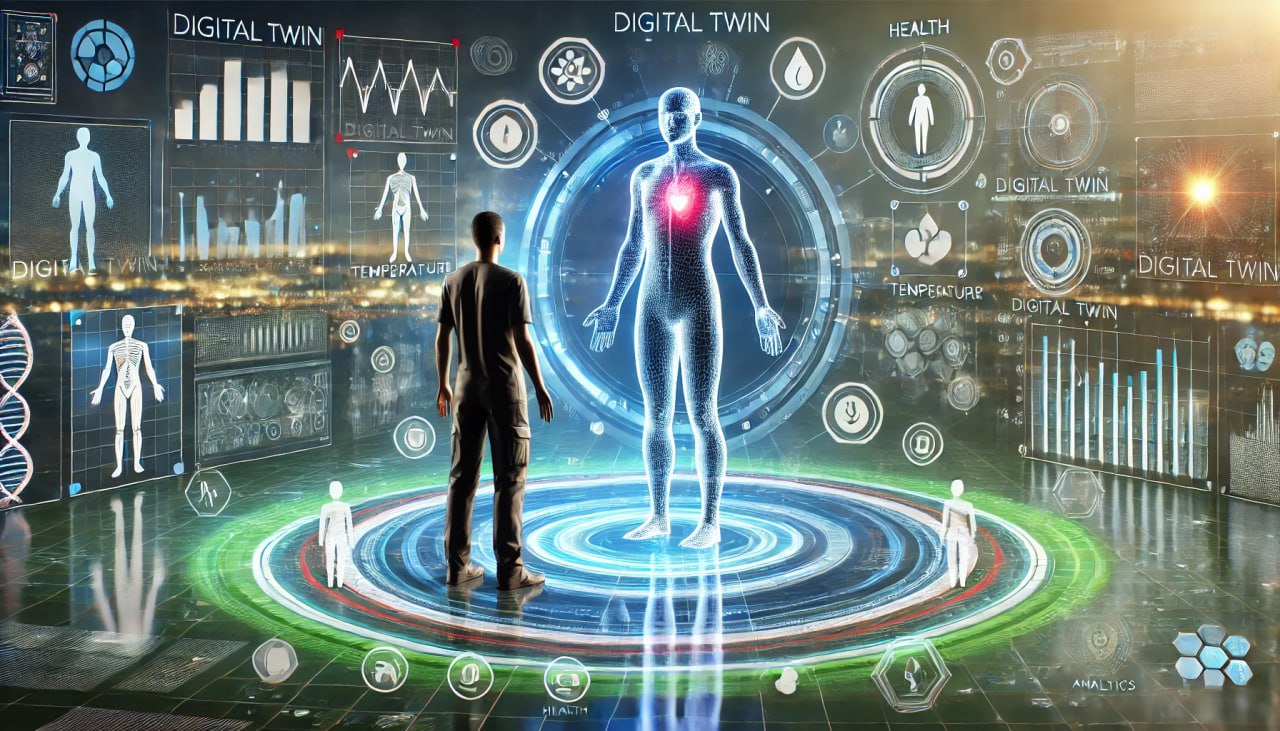
In today’s digital era, biomedical engineering is no longer limited to treating diseases after they occur; it has advanced toward the stage of **predictive medicine**. The concept of the **Digital Twin** emerges as one of the most cutting-edge innovations, enabling physicians and engineers to create a fully accurate virtual replica of a patient’s body or a specific organ, opening unprecedented horizons for precision in medical treatment.
---
### What Is the Patient Digital Twin?
In technical terms, a digital twin is a **dynamic engineering model** built using biological data derived from **MRI scans, CT scans, biosensors, and genetic analyses**. This model is not merely a three-dimensional image; rather, it is a software-based simulation that interacts **chemically and physically** in the same way a real human organ does.
---
### How Is This Engineering Model Designed?
The construction of a digital twin relies on three fundamental pillars:
1. **Big Data Collection**
Gathering all biological and physiological data related to the patient.
2. **Mathematical Modeling**
Converting vital functions—such as blood flow through arteries—into complex mathematical equations.
3. **Computer Simulation**
Using advanced engineering software to test different treatment scenarios.
---
### Surgical Procedure Testing: “Risk-Free Surgery”
Imagine a surgeon being able to perform an operation on your digital replica dozens of times before touching your body. Through the digital twin, biomedical engineers can:
* Determine precise measurements for **prosthetic limbs or orthotic devices** before fabrication.
* Test blood flow through **artificial heart valves** to ensure the absence of clot formation.
* Predict how a **cancerous tumor** will respond to a specific type of radiation or chemotherapy.
---
### The Future of the Profession: The Role of the Biomedical Engineer in the Era of Digital Twins
The role of the biomedical engineer is no longer limited to device maintenance; it has evolved into that of a **biological modeling engineer**. This emerging specialty requires mastering unique skills, including:
* Working with **machine learning algorithms**.
* Analyzing and digitally processing **biological signals**.
* Designing **medical software interfaces**.