Hybrid Orthotics: A Revolution in Integrating Rigid Structures with Soft Robotics
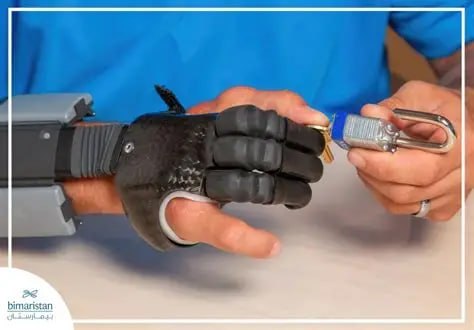
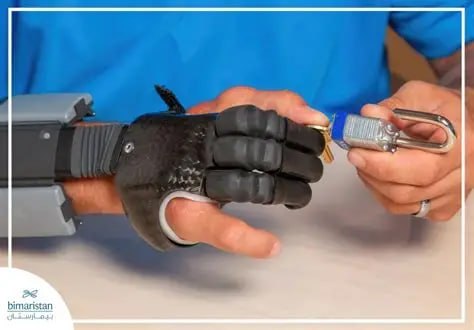
Rehabilitation technology is undergoing a fundamental transformation with the emergence of Hybrid Orthotics. This new generation of devices goes beyond providing traditional mechanical support by integrating the rigidity of engineered structures with the intelligence of soft robotic actuators, creating adaptive solutions that closely mimic human muscle movement with unprecedented precision.
What Are Hybrid Orthotics?
Conventional orthotics rely on rigid materials—such as carbon fiber or thermoplastics—to stabilize joints, but they lack dynamic behavior. Here, biomedical engineering introduces a new approach by integrating pneumatic artificial muscles or flexible polymer materials within these rigid frameworks. This integration allows the orthosis to function simultaneously as a supportive structure and an active movement generator.
Technical Advantages of Hybrid Orthotics
Biomechanical Compatibility (Bio-compatibility)
Thanks to soft robotics, hybrid orthotics provide smooth and natural motion, reducing mechanical resistance between the device and the patient’s body. This minimizes skin irritation and pressure sores while significantly enhancing comfort.
Lightweight Design and Energy Efficiency
Combining lightweight composite materials with soft actuators reduces the overall weight of the device compared to traditional heavy exoskeletons, improving usability and patient compliance.
Smart Sensor-Based Control
These systems employ sensors that measure electromyographic (EMG) signals. Based on these signals, the soft actuators deliver real-time assistance during walking or movement, adapting instantly to the patient’s needs.
The Future of Rehabilitation
The field of prosthetics and orthotics stands to benefit the most from this innovation. For patients with stroke or spinal cord injuries, hybrid orthotics serve as a neuromuscular training tool. The device helps retrain the nervous system by restoring natural gait patterns through gentle, adaptive movement assistance that does not overload biological tissues.
The Role of the Biomedical Engineer in Developing Hybrid Systems
Designing these advanced devices requires sophisticated expertise in:
Bio-mechatronics: Integrating electronic circuits with mechanical components.
Materials Science: Selecting polymers that combine flexibility with high load tolerance.
Programming and Signal Processing: Ensuring accurate device response to neural or muscular signals.
Hybrid orthotics are not merely assistive devices; they are intelligent partners that redefine physical capability. At the Department of Biomedical Engineering, we believe that integrating soft robotics with traditional designs is the key to developing next-generation assistive technologies—ones that can ultimately render disability a challenge of the past.