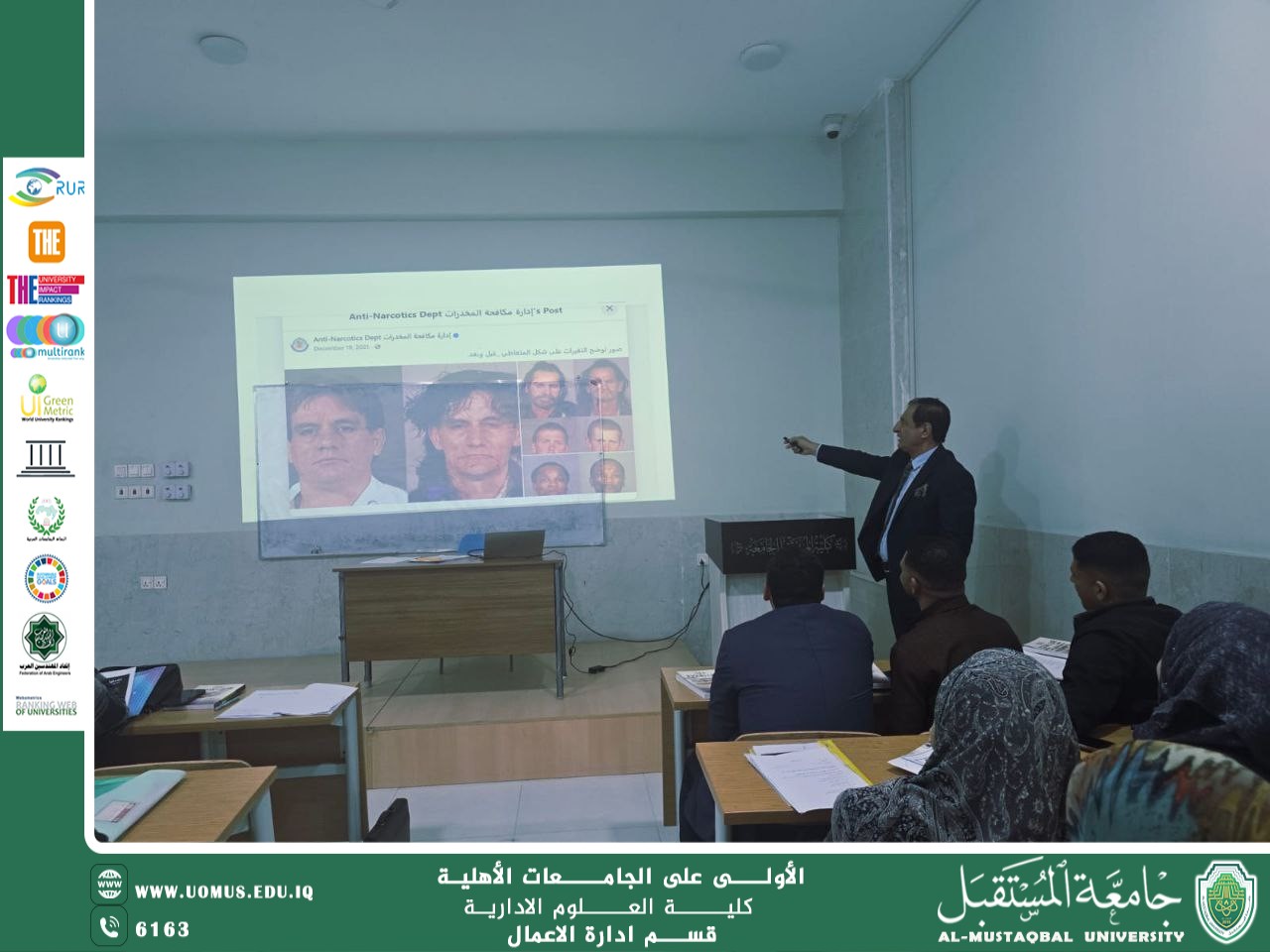
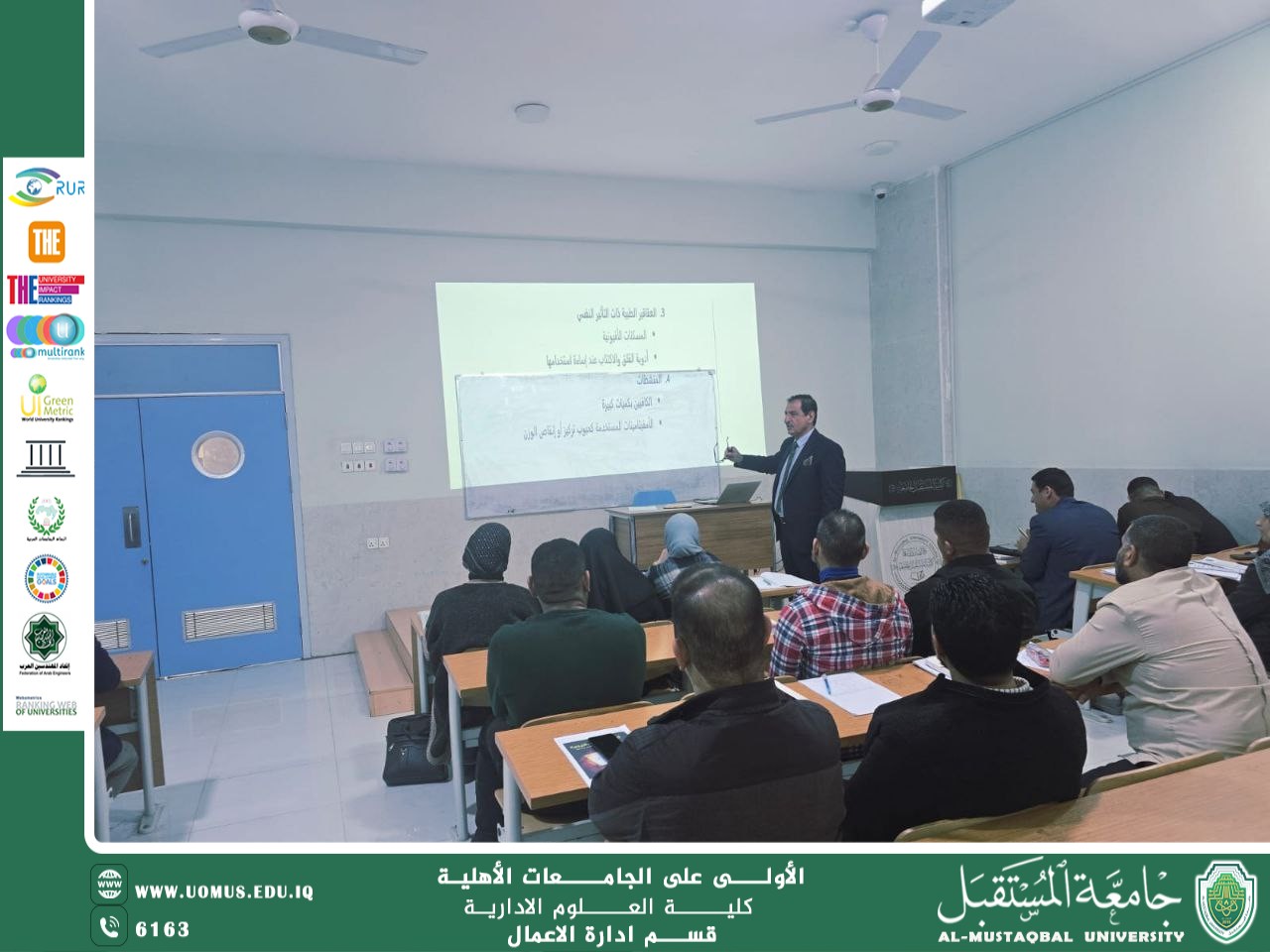
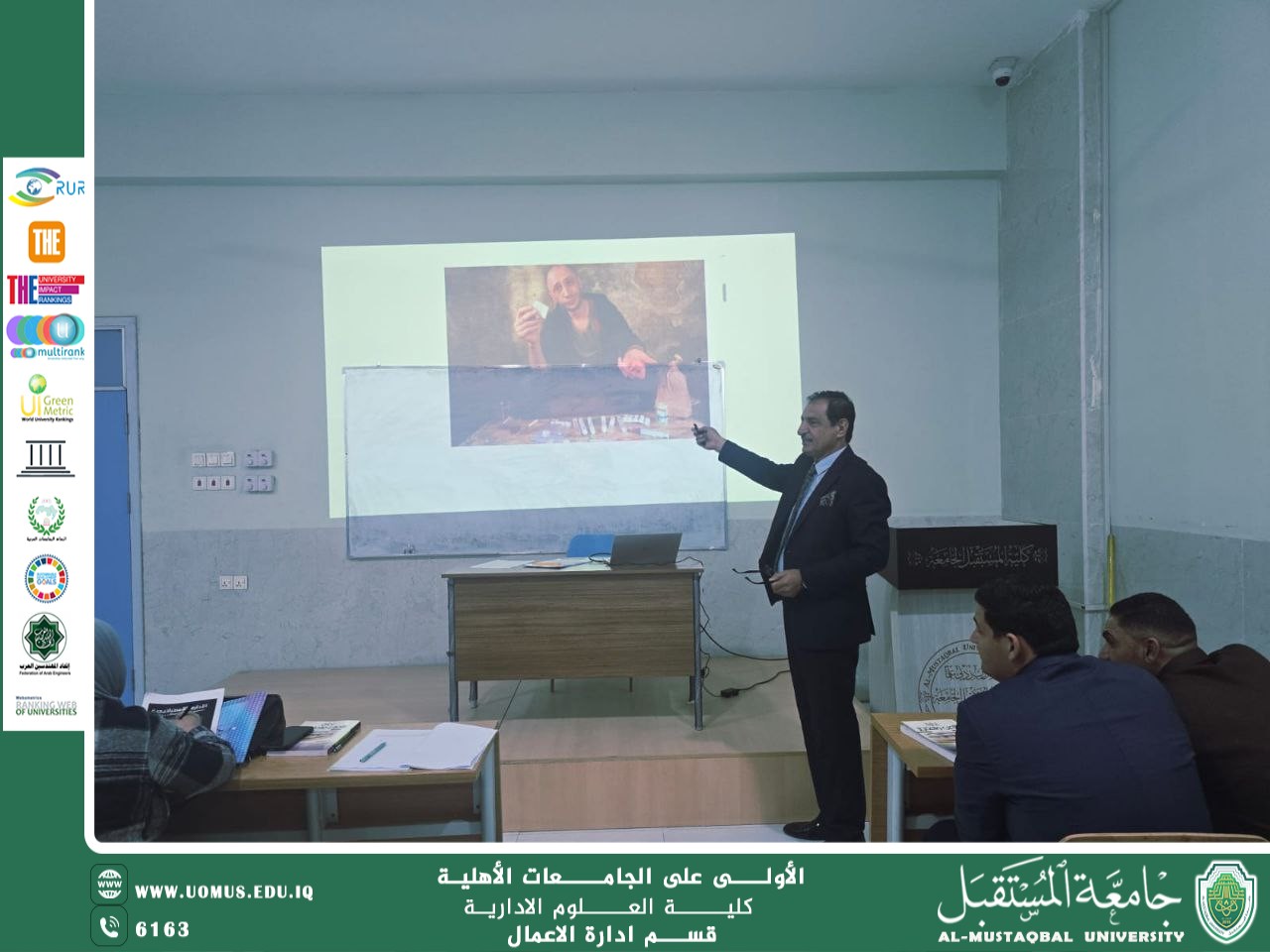

The Impact of Drugs and Psychoactive Substances on People, Especially Students
Prepared by Dr. Riyadh Malik Mohsen
Drugs and psychoactive substances are among the most dangerous health and social challenges facing societies, particularly young people and students. Adolescence and youth are sensitive stages characterized by heightened curiosity, a desire for experimentation, and social pressure, which makes individuals in this age group more vulnerable to the risk of addiction.
Definition of Drugs and Psychoactive Substances
• Drugs: Natural or synthetic substances that cause changes in the functioning of the central nervous system and affect consciousness, mood, and behavior.
• Psychoactive Substances: Substances that directly affect brain functions, causing changes in thinking, perception, emotions, and behavior.
• Addiction (Drug Dependency): A set of behavioral and physiological phenomena that develop after repeated use, usually leading to a strong desire for continued consumption despite harmful consequences, along with the appearance of withdrawal symptoms.
Common Types of Drugs and Psychoactive Substances
Drugs are classified according to their source and effects as follows:
• Natural drugs: Opium, cannabis (hashish, marijuana), and cocaine.
• Synthetic drugs: Heroin, crystal meth, and ecstasy.
According to their effects (types of narcotic drugs):
• Depressants: Act by suppressing the central nervous system, causing lethargy, persistent fatigue, loss of concentration, and may lead to loss of consciousness.
• Stimulants: Excessively stimulate the nervous system, causing anxiety, nervous tension, increased heart rate, and sleep disturbances.
• Hallucinogens: Affect the user’s perception, causing them to see or imagine unreal things, and may lead to severe fear and depression, which can push addicts toward suicide.
Psychoactive Medical Drugs
• Opioid painkillers.
• Anxiety and depression medications when misused.
Other Stimulants
• Caffeine in large quantities.
• Amphetamines used as concentration pills or for weight loss.
Causes of Drug Use Among Students
• Academic pressure: The false belief that some substances help with concentration or staying awake.
• Psychological disorders: Such as anxiety, depression, and low self-confidence.
• Social factors: Bad peers, social pressure, and lack of family supervision or educational follow-up.
• Curiosity: The desire to experiment and explore the unknown.
• Media: Digital content that portrays drug use as a symbol of “freedom” or “strength.”
Effects of Drugs on Students
• Health effects: Memory impairment, heart and respiratory problems, weakened immunity, and sleep and appetite disorders.
• Psychological effects: Severe anxiety, panic attacks, hallucinations, and loss of motivation and ambition.
• Behavioral and academic effects: Decline in academic performance, frequent absenteeism, aggression, and loss of discipline.
Social Effects
Drugs lead to the breakdown of family relationships, loss of educational future, increased crime rates, and economic burden on society, which weakens productivity and human capacity.
Signs Parents and Educators May Notice
• Sudden changes in behavior and relationships, and a decline in academic performance.
• Sleep disturbances, loss of appetite, or unexplained weight changes.
• Tendency toward secrecy and isolation, and the presence of strange odors or suspicious tools.
• Changes in speech patterns or eye movements, and visible signs of injection marks on the body.
Role of Educational Institutions (Schools and Universities)
• Continuous awareness through guidance programs and the promotion of life skills such as time management and decision-making.
• Providing a positive educational environment that fosters a sense of belonging and supports mental health through qualified counselors.
• Close cooperation with families and the activation of early detection programs.
Role of the Family
• Opening channels of open dialogue with children and strengthening their self-confidence.
• Monitoring activities and friendships and providing a supportive home environment.
• Seeking specialized help immediately when needed.
Treatment and Rehabilitation
Treatment includes medical care to manage withdrawal symptoms, psychological therapy (cognitive-behavioral therapy), social support, and long-term programs to prevent relapse and reintegrate the individual into society.
Combating drugs is not the responsibility of one entity alone; it is a shared duty involving families, educational and health institutions, and security agencies. Protecting students means protecting human capital and ensuring a safe and productive future.