Scientific Article for Ms. Tabarak Ahmed Turki: Chronic Stress and Its Relationship with Cardiovascular Diseases
Introduction
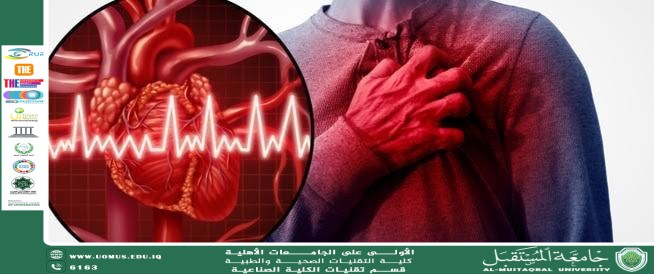
Chronic stress is one of the most significant psychological and physiological factors affecting human health. Continuous exposure to daily pressures leads to changes in the nervous system, endocrine glands, and the cardiovascular system, increasing the risk of developing heart diseases.
1. Physiological Mechanisms of Chronic Stress
Chronic stress activates the hypothalamic-pituitary-adrenal (HPA) axis, leading to increased secretion of cortisol, a key hormone that regulates the body’s stress response. Prolonged cortisol secretion affects heart rate, blood pressure, and vascular function, increasing the body’s susceptibility to cardiovascular diseases.
Additionally, stress stimulates the sympathetic nervous system, increasing the release of adrenaline and noradrenaline. This raises heart rate and blood pressure, placing additional strain on the heart and blood vessels over time.
2. Stress and Inflammation
Chronic stress is associated with elevated inflammatory markers, such as C-reactive protein (CRP) and pro-inflammatory cytokines. This chronic inflammatory response contributes to atherosclerosis and increases the risk of heart attacks and strokes.
3. Clinical Effects of Chronic Stress
• Chronic hypertension
• Atherosclerosis
• Cardiac arrhythmias
• Congestive heart failure
• Increased risk of myocardial infarction
• Effects on peripheral blood vessels
• Cardio-hormonal imbalance
4. Prevention and Intervention Strategies
Several strategies can help reduce the impact of stress on the cardiovascular system:
• Psychological and behavioral techniques: such as meditation, yoga, and cognitive-behavioral therapy (CBT)
• Regular physical activity and healthy nutrition
• Routine medical monitoring: including blood pressure checks and cortisol level assessment
• Time management and psychological balance: reducing daily stress and organizing work and rest periods
Conclusion
Chronic stress is a major risk factor for cardiovascular diseases and affects both mental and physical health. Understanding the physiological and psychological mechanisms of stress allows for the development of effective preventive and therapeutic strategies. Early interventions, whether through lifestyle modifications or psychological and behavioral therapies, can reduce cardiovascular risks and improve overall quality of life.
Al-Mustaqbal University The First University in Iraq