The impact of artificial intelligence on electrical energy
Engineer Suhad Abdul Amir
Artificial intelligence (AI) is transforming the way electricity is managed, produced, and distributed. Its systems rely on big data analysis and rapid, accurate decision-making, contributing to improved performance of the electrical grid. Electricity companies use advanced algorithms to predict daily and seasonal energy demand, helping to achieve a precise balance between production and consumption and reduce network losses.
AI also contributes to monitoring conventional power generation plants, such as thermal and gas-fired plants, by analyzing data from sensors installed on the equipment. Smart systems can detect potential faults before they occur through predictive maintenance, reducing repair costs and minimizing sudden power outages.
AI plays a pivotal role in integrating renewable energy sources into electrical grids. Because solar and wind power are dependent on weather conditions, machine learning techniques are used to analyze weather data and predict expected production levels. This forecasting helps network operators manage loads efficiently and ensure voltage and frequency stability within the grid.
Developments in this field have led to the emergence of the concept of smart grids, which rely on digital sensors and advanced control systems capable of communicating with consumers. These networks enable automated meter readings, rapid fault detection, and automatic power redistribution to minimize the impact of outages. They also allow for flexible pricing programs that encourage conservation during peak hours.
In the industrial and residential sectors, artificial intelligence (AI) has helped develop energy management systems that monitor appliance consumption and identify inefficient patterns. Smart homes can control lighting, air conditioning, and heating based on occupants' presence and needs, reducing electricity consumption and lowering costs. In factories, data analytics systems are used to improve the efficiency of production processes and reduce energy waste.
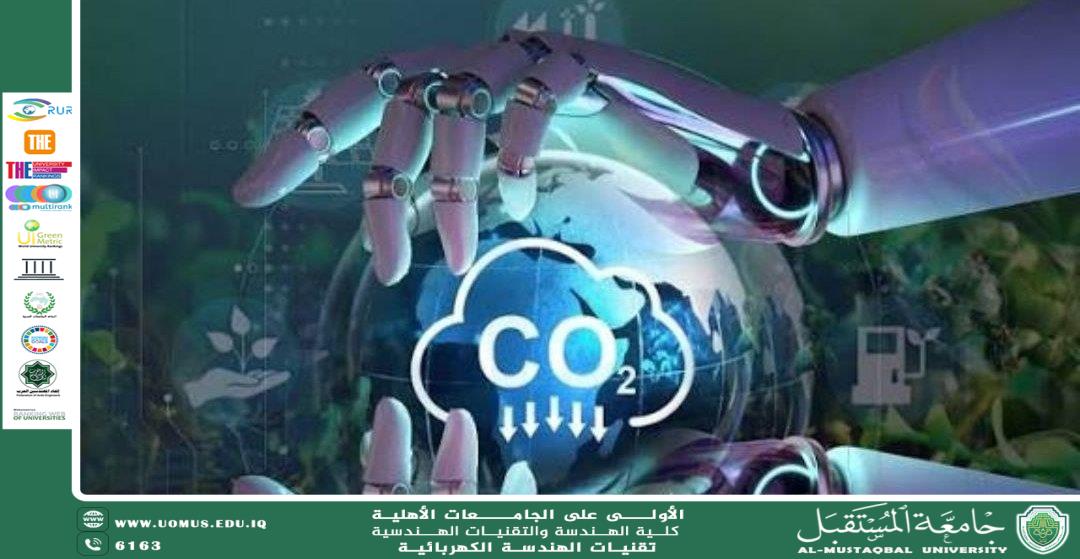
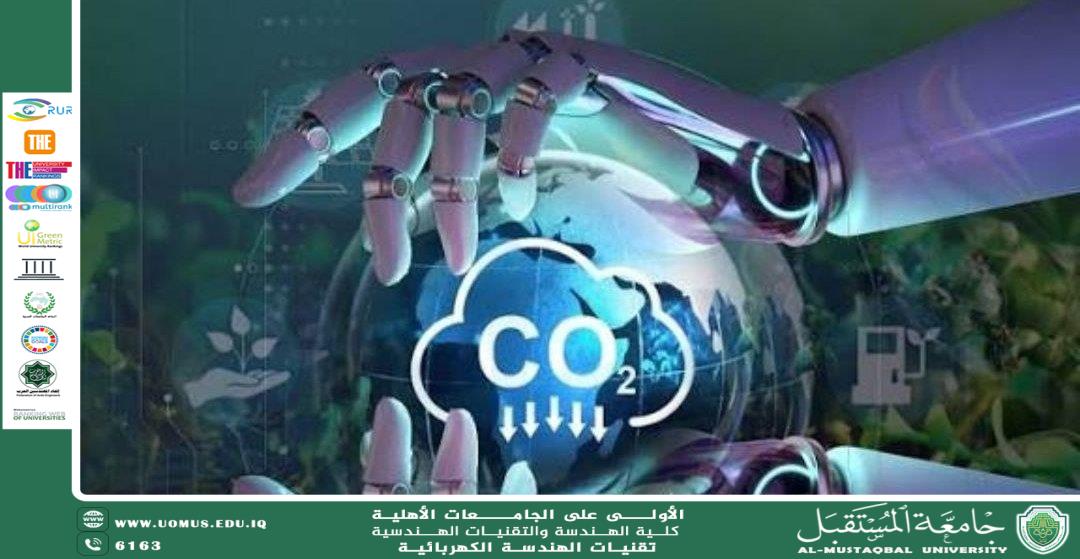
On the other hand, operating AI systems and data centers requires significant electricity, posing challenges related to increased consumption and carbon emissions. Therefore, many companies are turning to renewable energy sources to power their data centers and improve server efficiency to reduce their environmental impact.
AI also contributes to enhancing the security of electrical grids. It can quickly detect cyberattacks and hacking attempts by analyzing anomalous patterns in data flow. This has become essential as networks increasingly rely on digital systems and internet connectivity. With these diverse applications, artificial intelligence has become a fundamental element in the development of modern electrical power systems, improving efficiency, reducing outages, supporting sustainability, and enhancing network reliability.
Al-Mustaqbal University, the leading university in Iraq