Scientific Article about Screening for Celiac Disease: Guidelines for Early Detection
Introduction
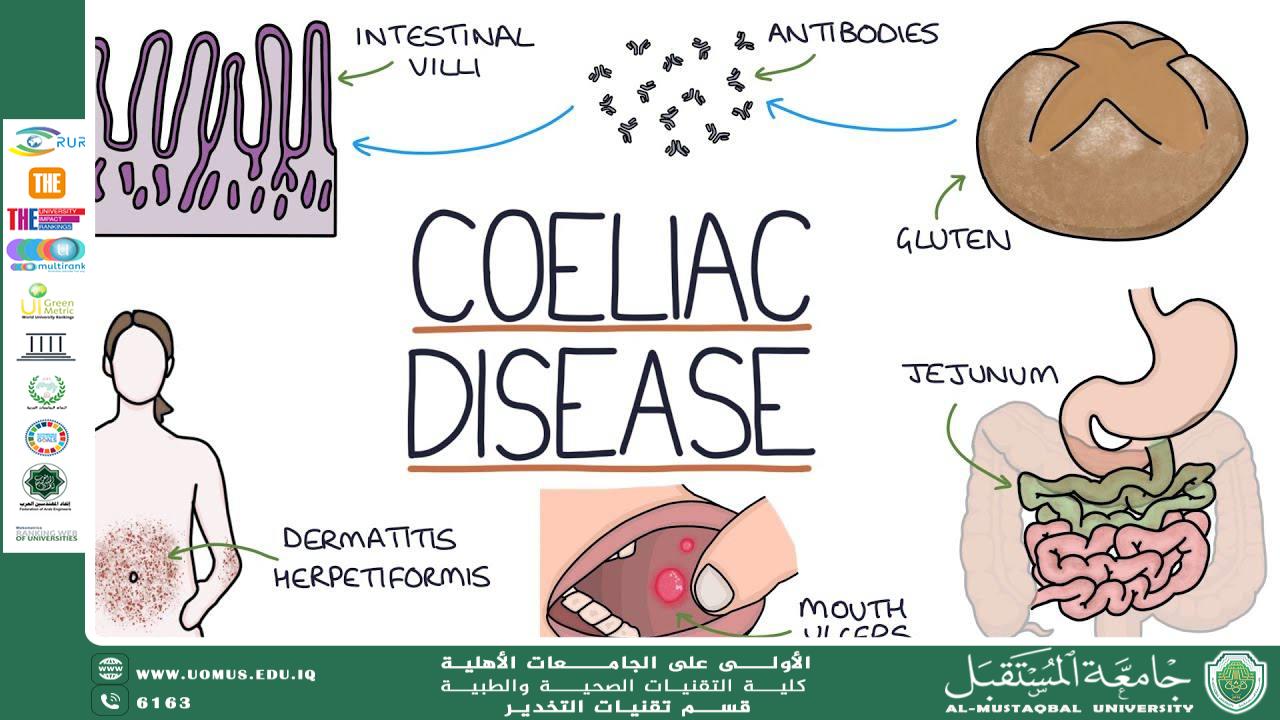
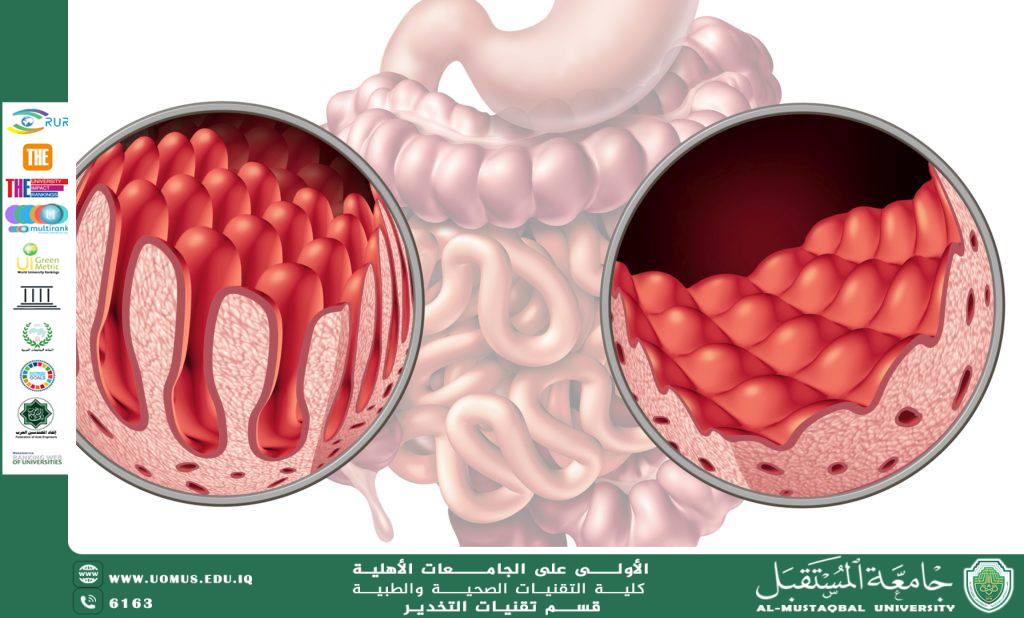
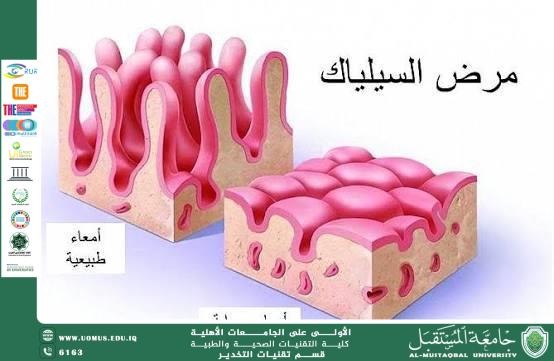
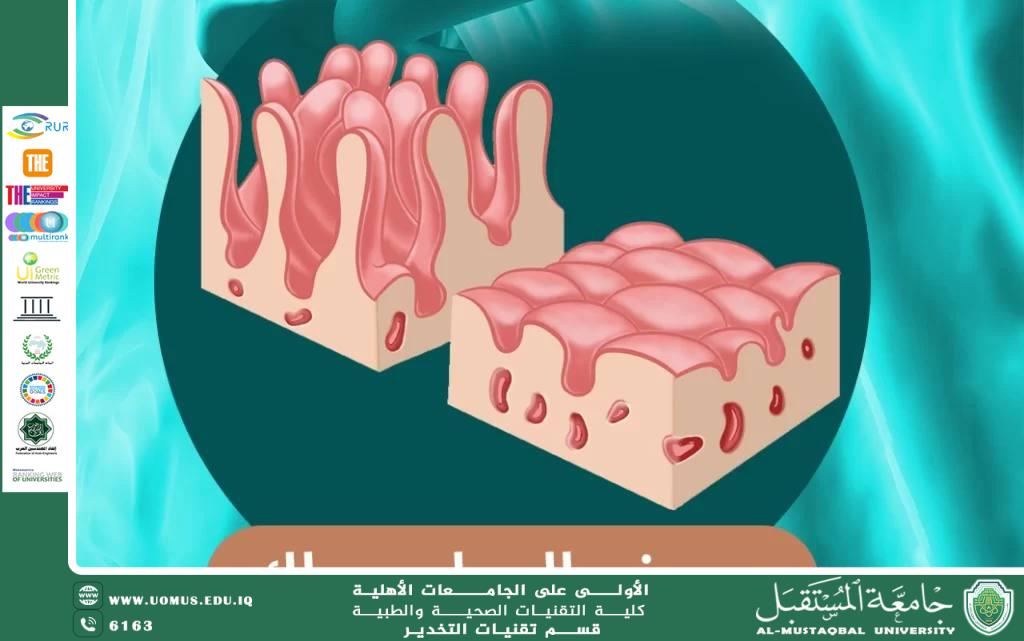
Celiac disease is an autoimmune disorder affecting the small intestine, triggered by gluten sensitivity. Its symptoms are highly variable and often overlap with other conditions, making early diagnosis a significant clinical challenge. Early detection is crucial to improve patients’ quality of life and prevent long-term complications.
Recommended Screening Methods
Screening for celiac disease is primarily performed using the serum tissue transglutaminase IgA (tTG-IgA) antibody test. Referral to a gastroenterology specialist is recommended in cases requiring comprehensive clinical evaluation.
Clinical Indications for Testing
Celiac disease testing should be considered in patients presenting with unexplained symptoms or signs, including:
1. Gastrointestinal disorders:
• Chronic diarrhea or constipation
• Reflux or dyspepsia
• Irritable bowel syndrome symptoms
2. Reproductive and fatigue-related issues:
• Infertility
• Chronic fatigue
3. Neurological manifestations:
• Neuropathy
• Ataxia
4. Growth and developmental concerns in children:
• Short stature
• Growth failure
• Delayed puberty
5. Bone and skin problems:
• Osteoporosis or osteomalacia
• Dermatitis herpetiformis
6. Hematologic abnormalities:
• Anemia due to iron, vitamin B12, or folate deficiency
7. Liver and oral manifestations:
• Elevated liver enzymes
• Severe and persistent oral ulcers
8. Unexplained weight loss
9. Autoimmune history or family risk factors:
• Patients with a history of autoimmune diseases such as type 1 diabetes, thyroid disorders, systemic lupus erythematosus, or autoimmune hepatitis
• First-degree relatives of patients diagnosed with celiac disease
Conclusion
Early diagnosis of celiac disease relies on a combination of laboratory testing and thorough clinical evaluation, particularly in patients with multiple unexplained symptoms. Performing the tTG-IgA antibody test and consulting a gastroenterology specialist are essential steps to ensure early detection and reduce the risk of complications.
Dr Miaad Adnan
Al-Mustaqbal University
The First University in Iraq