Scar Management in Aesthetic Medicine: Lasers, Injectables, and Combined Approaches
Introduction
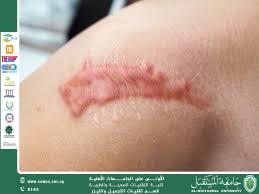
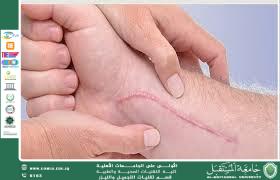
Scar formation is a natural consequence of tissue injury and wound healing; however, abnormal or aesthetically unacceptable scars can significantly affect both physical function and psychological well-being. Scars may result from acne, trauma, surgery, burns, or inflammatory skin conditions. In aesthetic medicine, scar management represents a challenging yet essential aspect of patient care, requiring a deep understanding of wound healing biology and available therapeutic modalities.
Advances in laser technology and injectable therapies have expanded the options for scar treatment, allowing clinicians to improve scar appearance, texture, color, and flexibility. This article reviews the principles of scar formation and discusses laser-based, injectable, and combined approaches in modern aesthetic medicine.
Biology of Scar Formation
Wound healing occurs through three overlapping phases: inflammation, proliferation, and remodeling. During the inflammatory phase, immune cells remove debris and bacteria. In the proliferation phase, fibroblasts produce collagen and extracellular matrix. The remodeling phase involves collagen reorganization and scar maturation.
Abnormal scarring occurs when this process becomes dysregulated. Excessive collagen production leads to hypertrophic or keloid scars, while insufficient collagen remodeling results in atrophic scars, such as acne scars. Understanding these mechanisms is essential for selecting appropriate treatment strategies.
Classification of Scars
Scars are commonly classified into the following types:
• Atrophic scars: depressed scars caused by collagen loss (e.g., acne scars)
• Hypertrophic scars: raised scars confined to the original wound boundaries
• Keloid scars: excessive scar tissue extending beyond the wound margins
• Surgical scars: linear scars with variable thickness and pigmentation
Each scar type has distinct biological characteristics and requires a tailored therapeutic approach.
Laser Therapy in Scar Management
Laser therapy plays a central role in modern scar treatment. Different laser systems target specific scar components:
Fractional non-ablative lasers create microscopic zones of thermal injury, stimulating collagen remodeling while preserving the epidermis. These lasers are commonly used for atrophic acne scars and surgical scars with minimal downtime.
Fractional ablative lasers remove columns of tissue, promoting stronger collagen remodeling. They are effective for severe scars but require longer recovery and careful patient selection.
Vascular lasers target hemoglobin and are useful in treating erythematous or immature scars by reducing redness and vascularity.
Laser therapy improves scar texture, thickness, pliability, and pigmentation, but optimal outcomes often require multiple sessions.
Injectable Therapies for Scar Treatment
Injectable treatments are particularly important for hypertrophic and keloid scars.
Intralesional corticosteroids reduce fibroblast activity, collagen synthesis, and inflammation, leading to scar flattening and symptom relief.
Dermal fillers may be used to elevate atrophic scars, improving surface contour and skin smoothness.
Platelet-rich plasma (PRP) delivers growth factors that support tissue regeneration and collagen remodeling, especially when combined with microneedling or laser therapy.
Injectable treatments must be administered carefully to avoid complications such as skin atrophy or vascular injury.
Combined and Multimodal Approaches
Single-modality treatment is often insufficient for complex scars. Combining laser therapy with injectables allows clinicians to target multiple aspects of scar pathology simultaneously. For example:
• Fractional laser + PRP for acne scars
• Vascular laser + corticosteroid injection for hypertrophic scars
Treatment plans should be individualized based on scar type, age, location, and patient skin type.
Patient Assessment and Treatment Planning
Effective scar management begins with detailed assessment, including scar history, duration, previous treatments, and patient expectations. Realistic counseling is essential, as complete scar removal is rarely possible, but significant improvement can be achieved.
Conclusion
Scar management in aesthetic medicine requires a comprehensive understanding of wound healing biology and a multimodal treatment approach. Lasers and injectable therapies have significantly improved the ability to treat various scar types. Individualized treatment planning and combination strategies offer the best clinical and aesthetic outcomes.
AL_mustaqbal University is the first university in Iraq