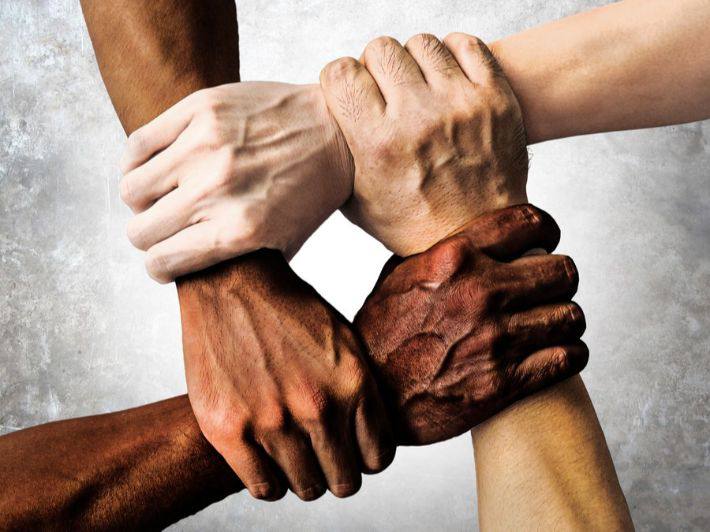
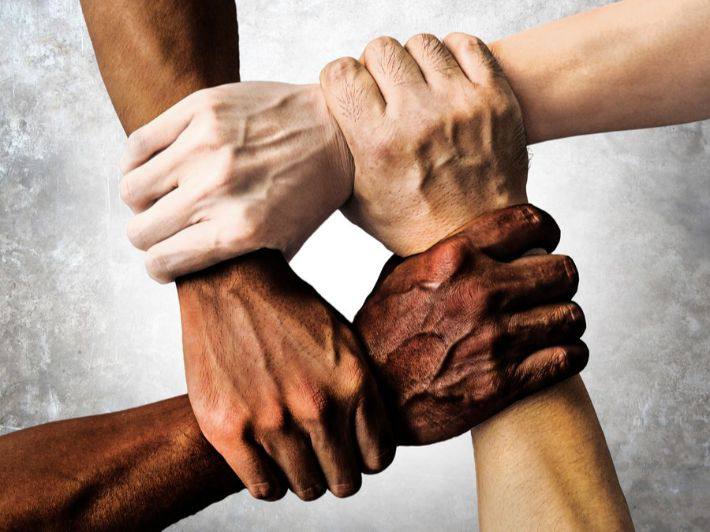
Racism: Concept, Causes, and Its Impact on Society
Introduction
Racism is considered one of the negative social phenomena that affect the stability and cohesion of societies. It is based on discriminating against individuals or groups on the basis of race, color, religion, or origin, which leads to the spread of hatred and division and hinders social and economic development. Since racism still exists in various parts of the world, it has become necessary to understand its causes, effects, and ways to confront it.
First: The Concept of Racism
Racism is the belief in the superiority of a particular race or group over others and its entitlement to special privileges at the expense of others. Racism manifests in attitudes and actions such as discrimination in education, employment, civil rights, or even in everyday interactions among individuals.
Second: Causes of Racism
Cultural and Social Causes
Upbringing that instills ideas of discrimination from childhood.
Negative stereotypes about certain groups in media and society.
Lack of awareness of cultural diversity and the importance of tolerance.
Economic Causes
Competition over resources and economic opportunities.
Feelings of deprivation or marginalization among some groups, leading them to blame others.
Psychological Causes
The desire to assert oneself and feel superior to others.
Fear of those who are different or unknown.
Influence of a powerful group or charismatic figure promoting racist ideas.
Third: Effects of Racism
Dividing society into conflicting groups.
Spreading hatred and violence among individuals and communities.
Damaging the economy by excluding certain groups from employment or educational opportunities.
Decline in social and cultural development due to the absence of cooperation and solidarity.
Fourth: Ways to Confront Racism
Promoting tolerance and equality from early childhood.
Enhancing cultural and social awareness through educational and media programs.
Enacting strict laws against discrimination and racism in governmental and private institutions.
Encouraging interfaith and intercultural dialogue to strengthen mutual understanding and respect.
Engaging civil society and volunteer organizations in awareness campaigns and initiatives to combat racism.
Conclusion
Racism is not only a moral issue but also a direct threat to societal stability and progress. Society can confront it through education, awareness, dialogue, and the enforcement of laws, with a focus on respecting differences and diversity among people. Building a cohesive society based on equality and tolerance is the optimal path to addressing this phenomenon.