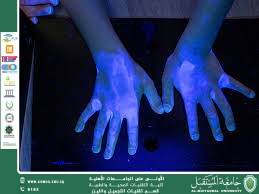
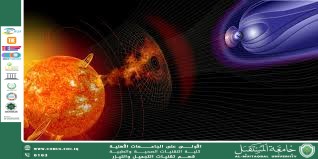
Ultraviolet Radiation (UV Radiation)
Ultraviolet (UV) radiation is a form of electromagnetic radiation that lies between visible light and X-rays in the electromagnetic spectrum. It was discovered in 1801 by the German physicist Johann Wilhelm Ritter while studying the chemical effects of light on silver salts. UV radiation has shorter wavelengths than visible violet light, ranging approximately from 100 to 400 nanometers (nm).
Types of Ultraviolet Radiation
UV radiation is classified into three main types according to wavelength and biological effect:
1. UVA (315–400 nm)
Accounts for about 95% of the UV radiation reaching the Earth's surface.
Penetrates deeply into the dermis (inner skin layer).
Responsible for skin aging (photoaging), wrinkles, and pigmentation.
Contributes to the development of skin cancers.
2. UVB (280–315 nm)
Partially absorbed by the ozone layer.
Affects the epidermis (outer skin layer).
Causes sunburn and direct DNA damage.
Stimulates the production of vitamin D in the skin.
3. UVC (100–280 nm)
The most dangerous type, but it is almost completely absorbed by the ozone layer and does not reach the Earth's surface.
Artificially used in sterilization to kill bacteria and viruses.
Sources of Ultraviolet Radiation
Primary natural source: Sun
Artificial sources:
UV lamps
Tanning beds
Medical and laboratory sterilization devices
Biological Effects of UV Radiation
Beneficial Effects
Promotes vitamin D synthesis, essential for bone health.
Used therapeutically to treat certain skin conditions such as:
Psoriasis
Vitiligo
Harmful Effects
Sunburn and skin inflammation.
Premature skin aging (photoaging).
DNA mutations and cellular damage.
Increased risk of skin cancers, including:
Melanoma
Role of the Ozone Layer
The ozone layer in the Earth's atmosphere acts as a protective shield by absorbing most harmful UV radiation, particularly UVC and a large portion of UVB. Depletion of the ozone layer increases human exposure to harmful UV rays, posing significant environmental and public health risks.
Prevention and Protection
Use broad-spectrum sunscreen with appropriate SPF.
Wear protective clothing and UV-blocking sunglasses.
Avoid sun exposure during peak hours (10 a.m. – 4 p.m.).
Avoid artificial tanning devices.
Conclusion
Ultraviolet radiation plays an important role in nature and human health. While moderate exposure is beneficial for vitamin D production, excessive exposure can cause serious skin damage and increase cancer risk. Therefore, balanced exposure and proper protection strategies are essential for
maintaining skin health and preventing long-term complications
Al _ Mustaqbal University, the first university in Iraq