Scientific Article Phenolic Compounds in Medicinal Plants: Biological Importance and Therapeutic Applications
Introduction
Medicinal plants are among the most significant sources of bioactive compounds that have contributed to both traditional and modern medicine. Among these compounds, phenolic compounds stand out as a widely distributed chemical group in the plant kingdom, characterized by antioxidant, anti-inflammatory, and antimicrobial properties. This article highlights their nature, mechanisms of action, and major applications in the field of natural products.
1. Nature and Classification of Phenolic Compounds
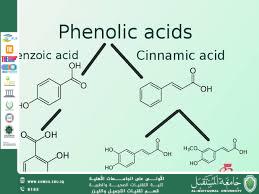
Phenolic compounds are organic molecules containing an aromatic ring bonded to one or more hydroxyl (-OH) groups. They are classified into several major categories, including:
Flavonoids
Phenolic acids
Tannins
Lignans
These compounds are found in various plant parts such as leaves, flowers, roots, and fruits, where they play a protective role against environmental stress and oxidative damage.
2. Plant Sources Rich in Phenolic Compounds
Notable medicinal plants rich in phenolic compounds include:
Camellia sinensis (Tea)
Rosmarinus officinalis (Rosemary)
Curcuma longa (Turmeric)
Vitis vinifera (Grapevine)
Studies have demonstrated that these plants contain high levels of natural antioxidants that may help reduce the risk of chronic diseases.
3. Biological Mechanisms and Pharmacological Effects
Phenolic compounds exert their effects through several biological mechanisms, including:
Scavenging free radicals and reducing oxidative stress.
Modulating inflammatory pathways.
Enhancing immune responses.
Exhibiting antimicrobial activity.
Recent research suggests their potential role in preventing cardiovascular diseases, certain cancers, and neurodegenerative disorders.
4. Applications in Natural Products
In the field of natural products, phenolic compounds are extracted using modern techniques such as solvent extraction and ultrasound-assisted extraction. These extracts are utilized in:
Pharmaceutical industries
Dietary supplements
Natural cosmetic formulations
Food preservation as natural antioxidants
Conclusion
Phenolic compounds represent a key focus in medicinal plant and natural product research due to their diverse biological activities and promising therapeutic potential. Continued research into their extraction and analysis will enhance the development of safer and more effective plant-based medicinal products.
AL_mustaqbal University is the first university in Iraq