Scientific Article by lecturer Asst. Assel Amer Hadi Nanobiochemistry and Its Role in Biochemistry
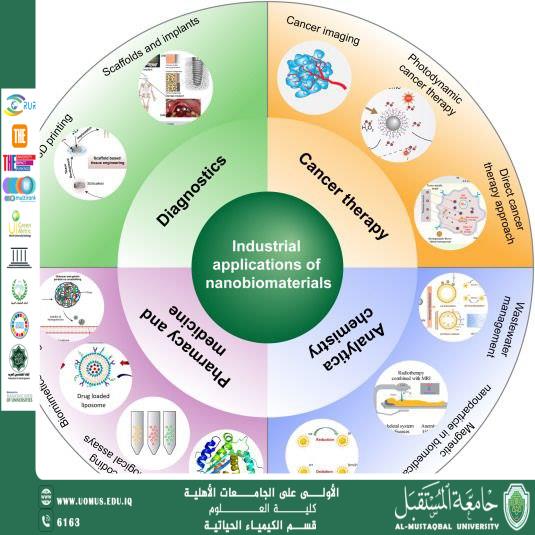
Nanobiochemistry is considered one of the most recent scientific fields that combines biochemistry with nanotechnology. It focuses on studying and employing materials and biological structures at the nanoscale (1–100 nanometers). This field has significantly contributed to the development of biochemical sciences by enhancing the understanding of biological processes within cells, developing diagnostic and therapeutic methods, and producing modern technologies that serve medical, industrial, and environmental fields.
Concept of Nanobiochemistry
Nanobiochemistry is a branch of science that focuses on studying biochemical reactions using nanotechnology and designing nanomaterials that interact with biological systems such as proteins, DNA, and cells. Nanomaterials possess unique properties, including a large surface area, high reactivity, and advanced physical and chemical characteristics, which make them suitable for various biological applications.
The Role of Nanobiochemistry in Biochemical Sciences
1. Development of Medical Diagnostic Methods
Nanobiochemistry has contributed to the development of modern techniques for early disease detection, such as the use of nanoparticles as biosensors to detect cancer and infectious diseases. These techniques are characterized by high accuracy and sensitivity in identifying biological markers even at low concentrations.
2. Targeted Drug Delivery
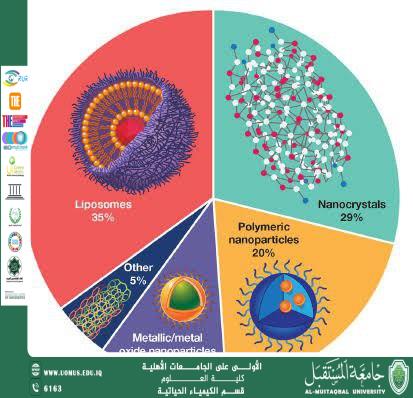
One of the most important applications of nanobiochemistry is the design of drug delivery systems using nanoparticles, where drugs are directed specifically to affected cells without harming healthy tissues. This reduces side effects and increases treatment efficiency.
3. Studying Biological Interactions Within Cells
Nanotechnological techniques help in studying biological processes inside cells at the molecular level, such as enzyme and protein interactions, contributing to a better understanding of biological mechanisms and the development of new therapeutic strategies.
4. Genetic Engineering and Biotechnology
Nanomaterials are used in gene delivery and genetic modification of cells, supporting the development of gene therapies and improving biotechnological applications in medicine and agriculture.
5. Environmental and Biological Applications
Nanobiochemistry contributes to the development of water purification methods, removal of environmental pollutants, and design of antibacterial materials, enhancing its role in protecting the environment and public health.
Advantages of Using Nanomaterials in Biochemistry
Increasing the efficiency of biochemical reactions.
Improving the accuracy of medical diagnosis and treatment.
Reducing drug doses and side effects.
Developing more sensitive analytical techniques.
Enabling the study of biological systems at the molecular level.
Future Challenges
Despite the significant benefits of nanobiochemistry, it faces certain challenges such as studying the potential toxicity of nanomaterials, high production costs, and the need to develop biosafety standards. Therefore, researchers continue working to improve these technologies and ensure their safe and effective use.
Al-Mustaqbal Universty ranks first among private universities in Iraq 🇮🇶