
A Scientific Article by Ms. Saja Fadhel Abbas Title: Biomarkers: The Silent Language of the Body That Tells the Story of Disease
In modern medicine, diagnosis no longer relies solely on visible symptoms or traditional clinical examinations. Science now seeks the most subtle signals the body sends in silence. Here, the concept of biomarkers emerges as one of the most distinctive and impactful discoveries in advancing healthcare.
A biomarker is any measurable substance or change within the body that indicates a normal physiological state or a pathological condition. It may be a protein in the blood, a genetic mutation, or even a change in the level of a specific enzyme. These tiny signals, invisible to the naked eye, carry immense information about human health.
Why Are Biomarkers Special?
First, they enable early diagnosis. Many serious diseases, such as cancer or cardiovascular disorders, begin with microscopic changes years before symptoms appear. Detecting these changes early can mean saving a life.
Second, biomarkers contribute to personalized medicine, where treatment is no longer the same for everyone. By analyzing biomarkers, healthcare providers can determine the most suitable therapy for each patient according to their genetic makeup and biological response, increasing treatment effectiveness while reducing side effects.
Third, they play a crucial role in monitoring treatment effectiveness. Measuring the level of a specific biomarker helps determine whether a patient is responding to therapy or if the treatment plan needs adjustment.
Practical Applications in Medical Laboratories
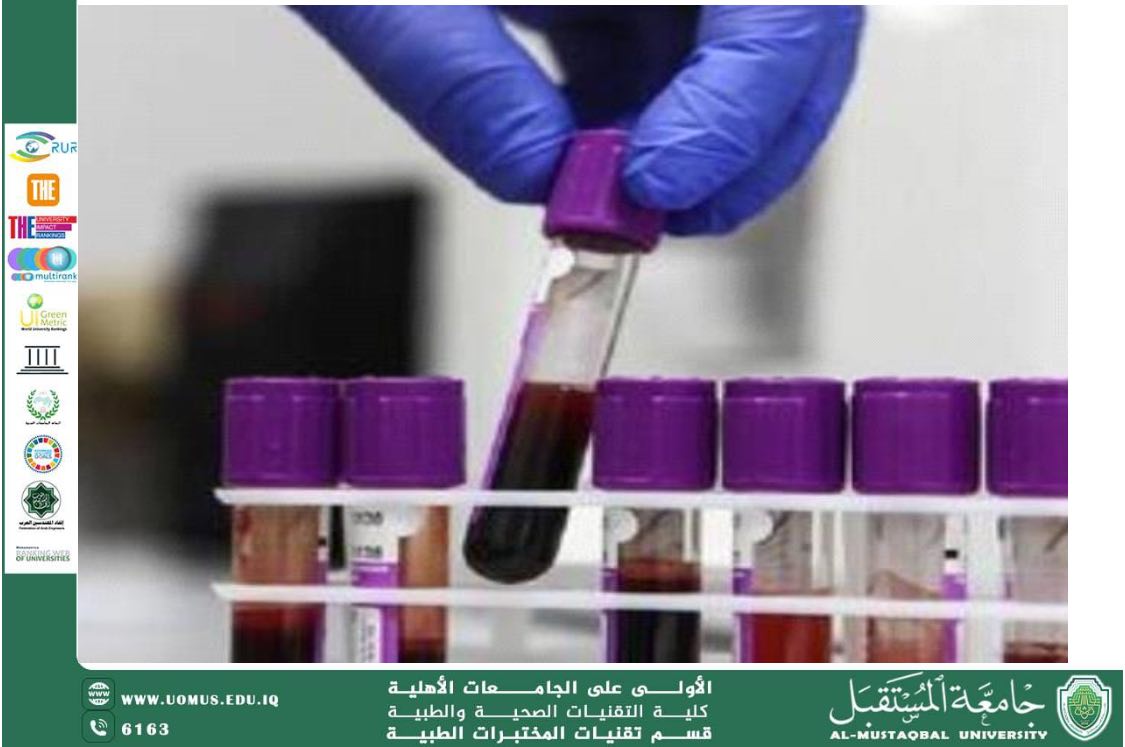
In medical laboratory departments, biomarkers form the backbone of analytical work. From measuring blood glucose levels to diagnose and monitor diabetes, to analyzing cardiac enzymes for detecting heart attacks, and even conducting advanced molecular tests to identify genetic mutations—each example shows how a single drop of blood can tell a comprehensive story about a person’s health.
Challenges and the Future
Despite significant progress, the field still faces challenges, including the need for higher accuracy, reduced costs, and ensuring reliable results. With the advancement of artificial intelligence and molecular analysis technologies, a true revolution is expected in discovering new biomarkers capable of predicting diseases before they even occur.
Conclusion
Biomarkers are not merely numbers in a laboratory report; they are a precise language through which the body expresses its health status. Understanding this language requires knowledge, accuracy, and