A scientific article entitled "Brain-Inspired Neural Computing" (Samar Hussein Hilal)
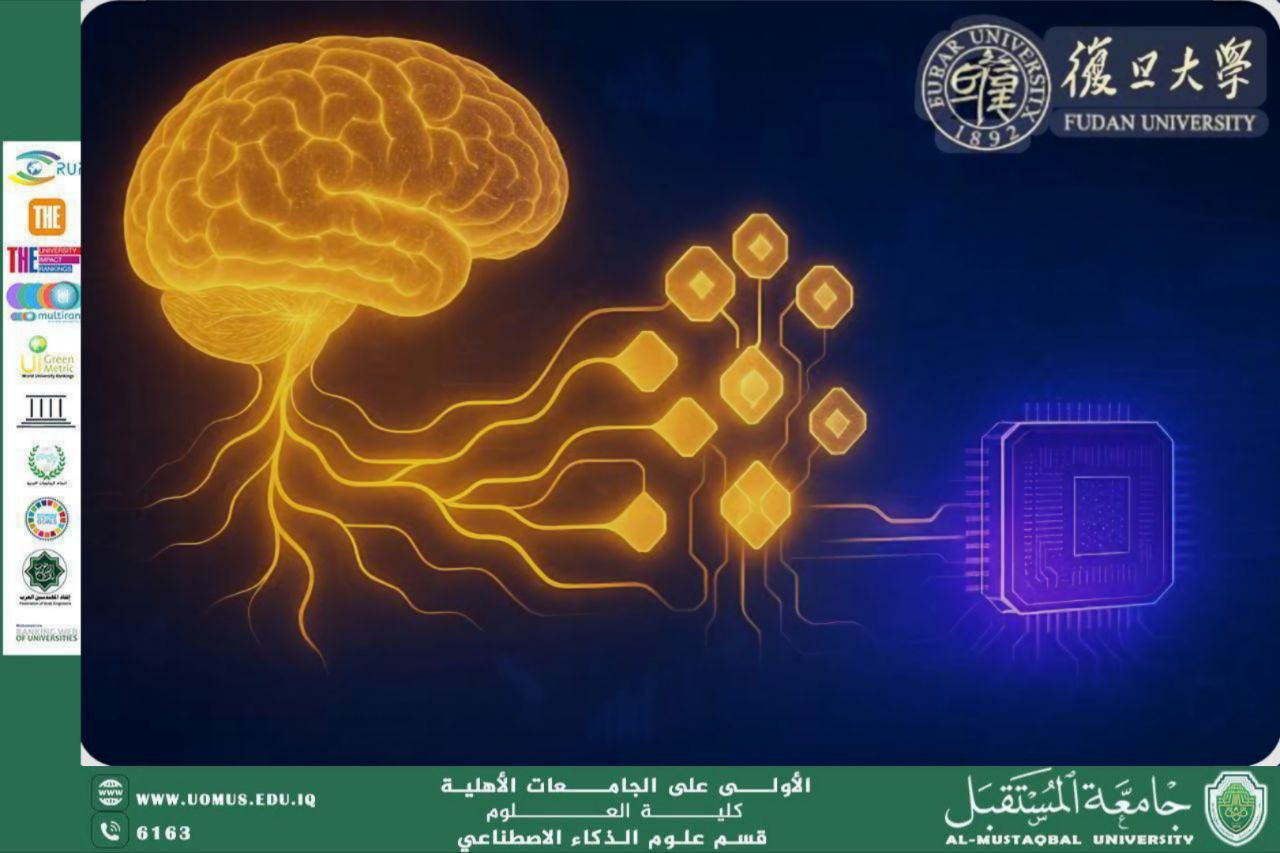
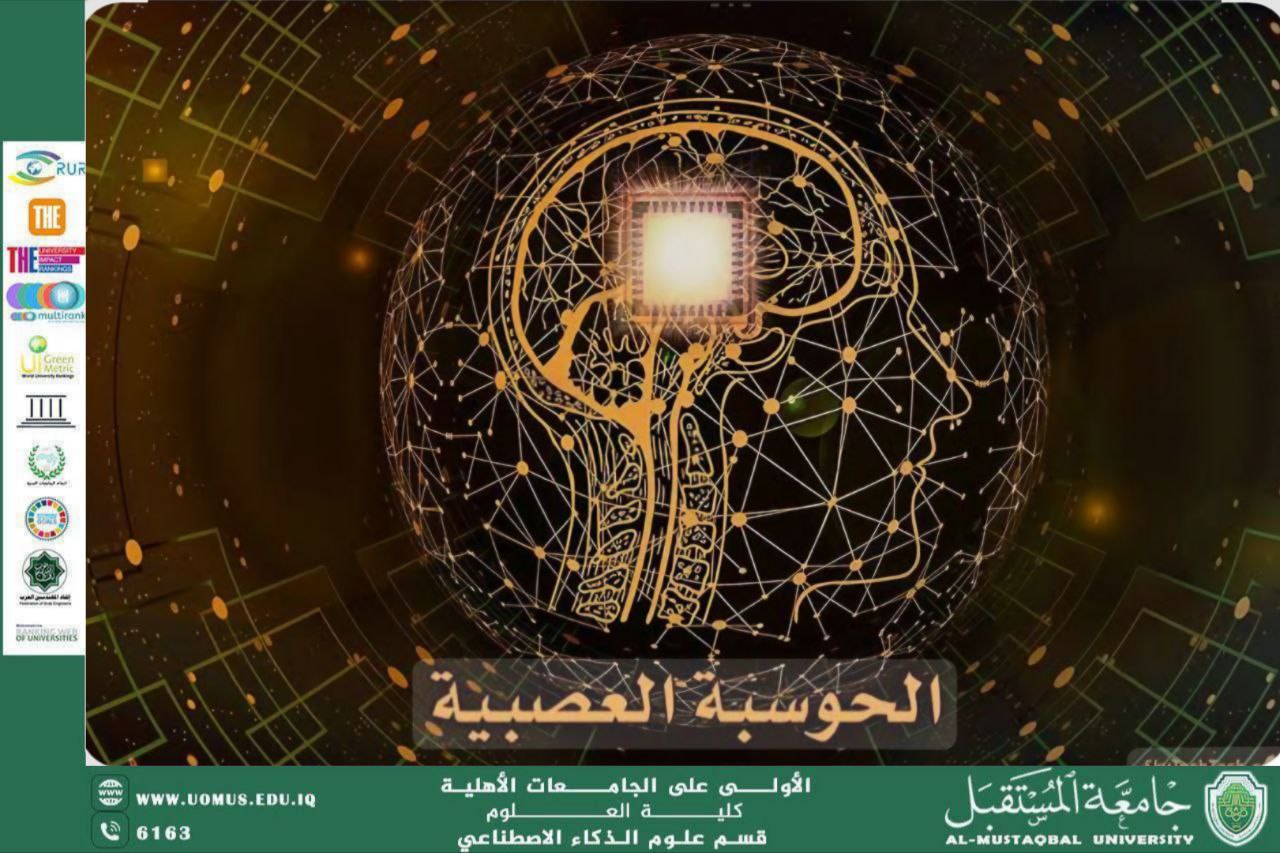
Neuromorphic computing represents one of the most advanced directions in artificial intelligence, aiming to design computational systems that mimic the structure and functional mechanisms of the human brain. This field is based on understanding how biological neurons and synapses operate, then translating these principles into electronic circuits and processors capable of processing information in a brain-like manner. Unlike conventional computing systems built on the sequential architecture proposed by John von Neumann, neuromorphic systems rely on massively parallel processing, resulting in higher energy efficiency and faster response times. Notable examples include the IBM TrueNorth developed by IBM, which integrates millions of artificial neurons and billions of electronic synapses, as well as Intel Loihi developed by Intel to support advanced neural learning mechanisms. These systems often employ Spiking Neural Networks (SNNs) that emulate the electrical signaling behavior of biological neurons. Neuromorphic computing excels in tasks such as pattern recognition, image processing, and sensory data analysis while maintaining remarkable energy efficiency, making it highly suitable for edge devices and resource-constrained applications. It is also applied in adaptive robotics, biometric systems, and medical technologies such as EEG signal analysis. Its significance lies in narrowing the gap between artificial and biological intelligence by creating more adaptive, flexible, and continuously learning systems. As research progresses, neuromorphic computing is expected to revolutionize processor design and provide more sustainable and intelligent technological solutions across various scientific and industrial domains.