
Pathological Mechanisms of Insulin Resistance and Hormonal Imbalance
Insulin resistance is a common metabolic disorder that represents a central factor in the development of several chronic diseases, particularly endocrine and metabolic syndromes. This condition occurs when body cells exhibit reduced responsiveness to insulin despite its normal or elevated circulating levels, leading to impaired glucose regulation and disruption of overall hormonal balance. Understanding the underlying pathological mechanisms is essential for early diagnosis and the development of effective therapeutic strategies to prevent long-term complications.First: Pathological Mechanisms of Insulin Resistance
Insulin resistance arises from defects in cellular signaling pathways associated with insulin receptors. These defects may involve impaired insulin–receptor binding or disruption of intracellular signaling cascades such as the IRS-1 and PI3K/Akt pathways. Consequently, glucose uptake in muscle and adipose tissue decreases, while hepatic glucose production increases.
Obesity, particularly visceral fat accumulation, plays a pivotal role in exacerbating insulin resistance through the secretion of inflammatory cytokines such as TNF-α and IL-6. These mediators promote a state of chronic low-grade inflammation, further aggravating metabolic dysfunction.
Second: Associated Hormonal Imbalance
The impact of insulin resistance extends beyond glucose dysregulation to include disturbances in multiple hormonal axes:
Insulin–Glucagon Axis: Imbalance contributes to persistent hyperglycemia.
Hypothalamic–Pituitary–Adrenal Axis: Elevated cortisol levels may enhance insulin resistance.
Reproductive Hormones: Increased androgen levels are commonly associated, particularly in polycystic ovary syndrome.
Prolactin: May be indirectly affected due to metabolic alterations.
This complex hormonal interplay creates a pathological cycle that perpetuates metabolic imbalance.
Third: Clinical Implications
Clinical manifestations include:
Dysregulated blood glucose levels.
Weight gain and difficulty losing weight.
Menstrual irregularities.
Chronic fatigue.
Increased risk of type 2 diabetes mellitus and cardiovascular diseases.
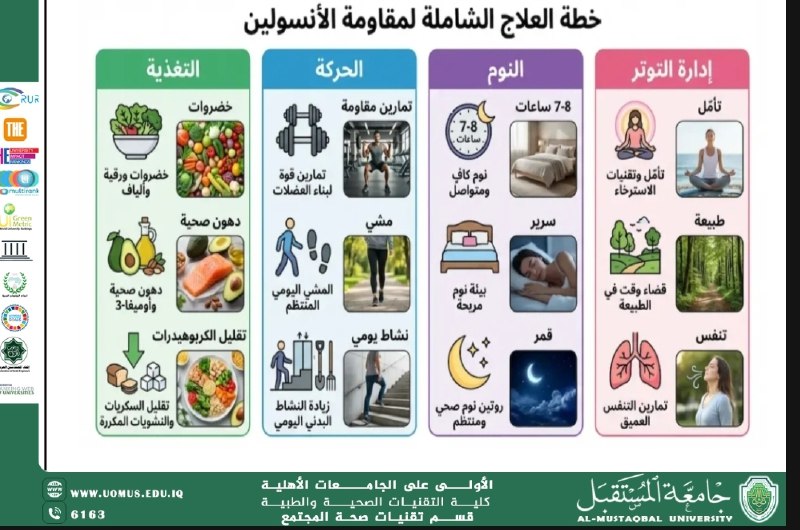
Early diagnosis through laboratory markers such as fasting insulin levels and the HOMA-IR index is crucial in preventing long-term complications.Insulin resistance represents a clear model of interaction between metabolic dysfunction and hormonal imbalance, where molecular, inflammatory, and endocrine factors converge to produce a complex pathological condition. Effective management requires a comprehensive approach involving dietary modification, physical activity, pharmacological intervention when necessary, and careful hormonal monitoring to restore metabolic homeostasis.
Al-Mustaqbal University – The First University in Iraq