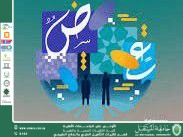
The Responsibility of the New Generation Toward the Arabic Language
Arabic is the language of the Qur'an, Arabic literature, and authentic culture. It is an essential part of the identity of the Arab nation and represents a bridge that connects the past with the present. With technological developments, globalization, and the spread of foreign languages, the responsibility of the new generation has become greater in preserving the Arabic language and strengthening its position among world languages.
The importance of the Arabic language lies in preserving Arab identity, as it reflects the culture, history, and rich civilization of the Arabs. Losing the language or weakening its use leads to a decline in identity and sense of belonging. It also enhances education and knowledge, as Arabic is the primary language of instruction in schools and universities and helps in understanding sciences, Arab thought, and religious and literary texts accurately. Furthermore, it preserves cultural heritage; poetry, literature, sciences, and Arab arts require the Arabic language to maintain their value and to be transmitted to future generations.
However, the new generation bears several responsibilities. First is learning and mastery: young people must learn Standard Arabic and master its grammar and vocabulary. Second is daily use: using Arabic in writing, speaking, social media, and daily correspondence. Third is publishing and creativity: producing Arabic digital, cultural, and media content that encourages others to use Arabic and participate in literary and scientific competitions in Arabic. In addition, preserving heritage includes reading Arabic books, memorizing poetry, and becoming familiar with the nation’s cultural heritage. Development and renewal are also essential by introducing new terms that suit the modern era while maintaining the rules of Standard Arabic and using technology to promote and facilitate learning Arabic for future generations.
The challenges facing the new generation include the spread of local dialects at the expense of Standard Arabic in daily life and media, the preference of some youth for foreign languages in study, work, and social media, the scarcity of Arabic digital content compared to other languages, and the lack of guidance and awareness about the importance of Arabic in the modern era.
In conclusion, the responsibility of the new generation toward the Arabic language is a national and cultural duty. Through learning and mastery, daily use, and creativity in digital and media publishing, young people can preserve and develop the Arabic language so that it remains alive and strong, reinforcing Arab identity among present and future generations.
Al-Mustaqbal University, the first university in Iraq.