Sudden diseases: between environmental, social, and health-related factors
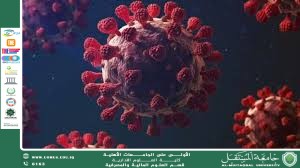
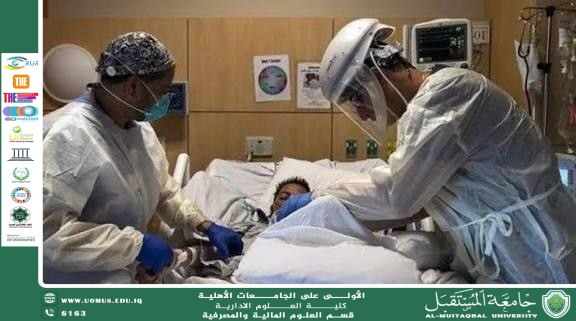
Sudden diseases are among the most serious health challenges facing the world today. They appear unexpectedly and spread rapidly among people, causing fear, confusion, and disruption to daily life. A clear example of this was COVID-19, which began in Wuhan, China, and within a short period spread to almost every country in the world. The rapid transmission of such diseases is not the result of a single factor, but rather a combination of environmental, social, and health-related causes.
One major cause is climate change and environmental pollution. Rising temperatures and changes in weather patterns create suitable conditions for viruses and bacteria to grow and spread. Pollution can also weaken the human immune system, making individuals more vulnerable to infection. In addition, globalization and the ease of international travel have made it possible for diseases to move quickly from one country to another. An infected person can travel across continents in a matter of hours, contributing to the rapid global spread of illness.
Population density is another important factor. Crowded cities and public places provide ideal conditions for contagious diseases to spread, especially when people do not follow proper hygiene or preventive measures. Weak healthcare systems in some countries also contribute to the problem. When early detection and medical response are delayed, diseases can spread widely before they are controlled. Furthermore, the overuse of antibiotics has led to drug-resistant strains of bacteria, making some infections harder to treat. Viruses may also undergo genetic mutations that increase their ability to spread or resist treatment.
In conclusion, the spread of sudden diseases is the result of interconnected environmental, social, and medical factors. Addressing this issue requires greater public health awareness, strong healthcare systems, scientific research, and international cooperation. Only through preparation and collective effort can societies reduce the impact of future sudden outbreaks