Modern Printing Technologies and Their Impact on Design Quality
Modern printing technologies have witnessed remarkable development over the past decades due to technological advancement and digital transformation. This progress has directly influenced the quality, precision, and overall impact of design outputs. Printing is no longer merely a tool to transfer ideas onto paper; it has become an essential component of the creative process, shaping the final appearance, texture, and even the market value of a design.
Digital printing is one of the most prominent modern techniques. It is characterized by speed, flexibility, and the ability to print in small quantities without complex setup procedures. It offers high detail accuracy and allows immediate modifications, making it ideal for short-run projects, promotional materials, and independent designers’ work. Its major advantage lies in reducing initial costs and shortening production time.
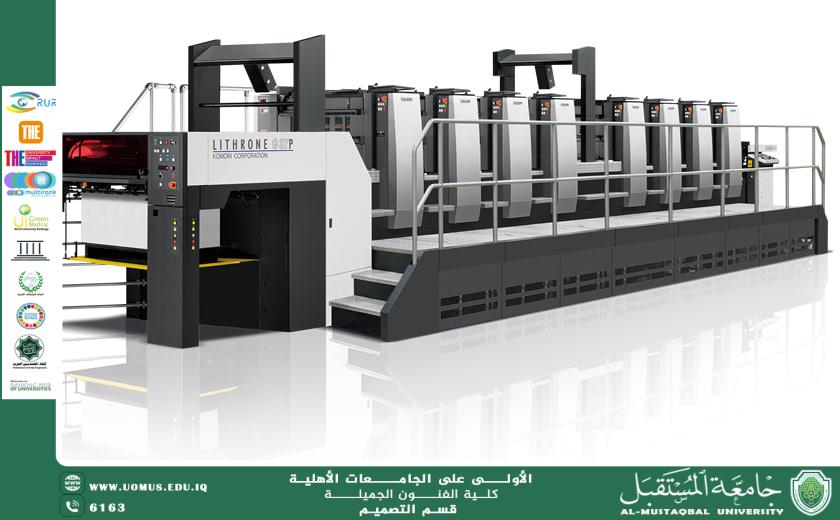
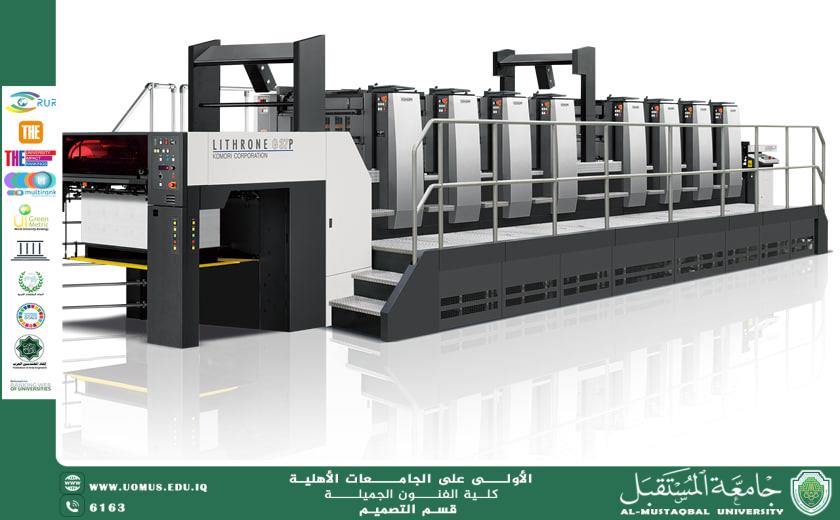
Offset printing, on the other hand, is considered the optimal choice for large-scale production. It ensures consistent color accuracy and high-quality detail reproduction. This technique uses metal plates to transfer ink onto the printing surface, resulting in uniform and stable colors, especially in books, magazines, and large advertising materials. Although its initial setup cost is higher, it becomes highly economical for large quantities.
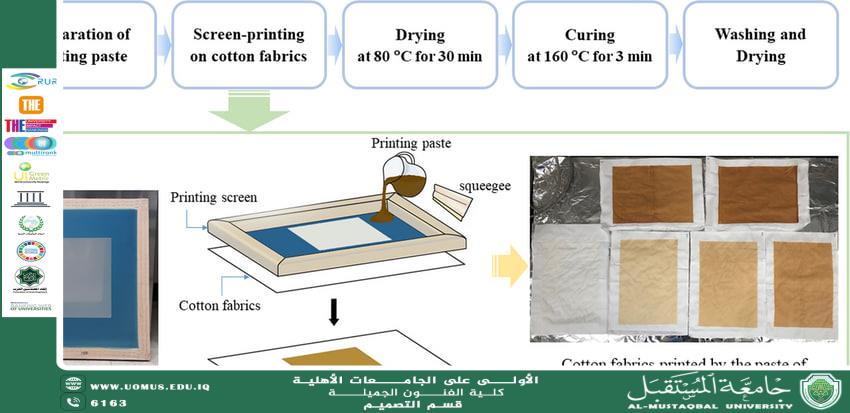
Screen printing is widely used for printing on fabrics and various materials such as glass, plastic, and wood. It is known for producing vibrant colors and noticeable texture, giving designs a distinctive artistic character. It is commonly applied in fashion design and promotional products, adding both visual and tactile value.
3D printing has introduced a revolutionary shift in the design field. Printing is no longer limited to flat surfaces; it now enables the production of tangible models and design elements. This technology plays a crucial role in industrial design, architecture, and prototyping, allowing designers to test and materialize concepts before final production, reducing errors and enhancing precision.
Selecting the appropriate printing technique depends on several factors, including project type, production volume, material nature, budget, and available time. The right technique not only affects color quality and detail clarity but also strengthens the visual message and functional objectives of the design.
In conclusion, modern designers must be familiar with various printing technologies and integrate artistic creativity with technical knowledge to achieve professional, high-quality design outcomes.
Almustaqbal University, The First University in Iraq.