Sustainable Nutrition and Its Impact on Animal Health
Nutrition is one of the most important factors affecting animal health and productivity, as it plays a vital role in growth, reproduction, and disease resistance. With increasing environmental and economic challenges, sustainable nutrition has emerged as a scientific approach that aims to balance animal nutritional needs with environmental protection and resource conservation. This article discusses the concept of sustainable nutrition and its impact on animal health and livestock production.
Concept of Sustainable Nutrition
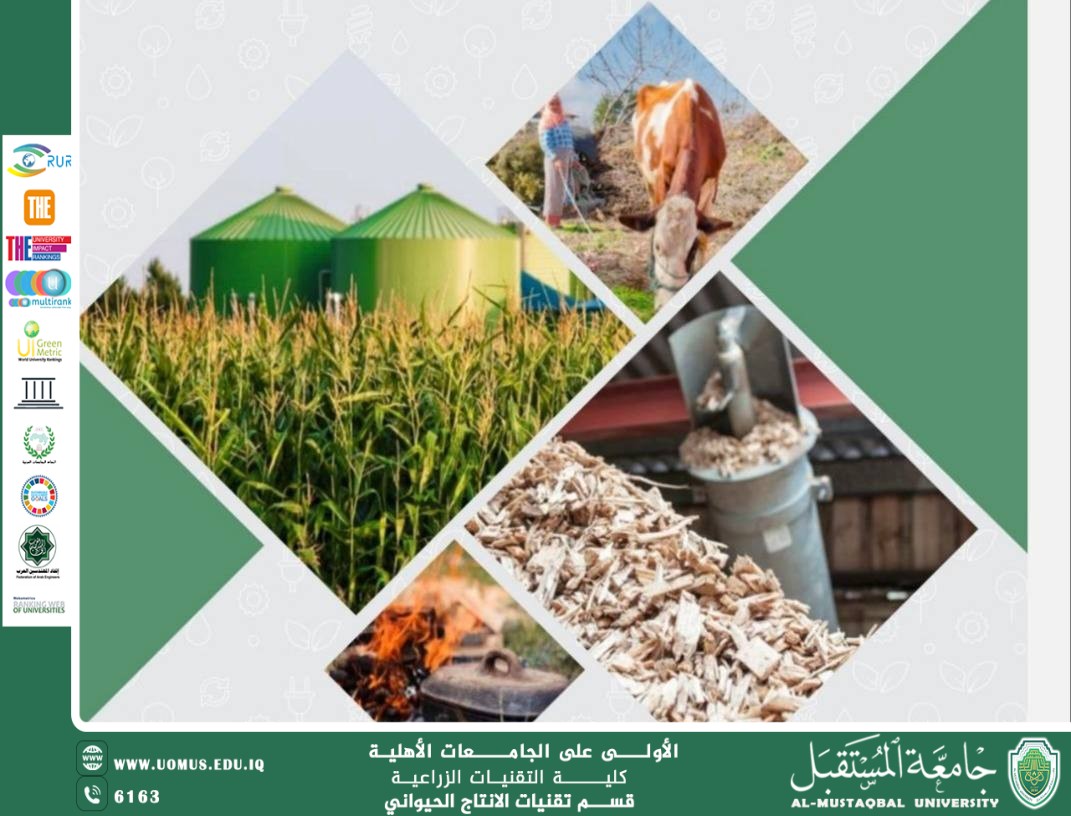
Sustainable nutrition refers to providing balanced diets based on renewable and locally available resources, while reducing waste and environmental pollution. It focuses on the efficient use of natural feed resources and agricultural by-products to ensure long-term livestock productivity.
The main principles of sustainable nutrition include:
Utilizing local resources.
Reducing dependence on imported feed.
Protecting environmental quality.
Ensuring nutritional balance.
Components of Sustainable Nutrition
Sustainable nutrition includes several main components, such as:
Energy Sources
Including grains, agricultural by-products, and green fodder, which provide energy for vital processes.
Protein Sources
Such as legumes, soybean meal, and fish meal, which contribute to tissue growth and muscle development.
Vitamins and Minerals
They play an essential role in regulating physiological functions and enhancing immunity.
Natural Feed Additives
Such as probiotics, enzymes, and plant extracts, which improve digestion and reduce the need for antibiotics.
Impact of Sustainable Nutrition on Animal Health
Strengthening Immunity
Balanced nutrition enhances the immune system and increases resistance to diseases and parasites.
Improving Growth and Productivity
Sustainable feeding improves growth rates and increases milk, meat, and egg production while reducing feed waste.
Preventing Nutritional Diseases
Adequate supply of essential nutrients helps prevent deficiency diseases such as rickets and anemia.
Improving Digestive Efficiency
High-quality feed and natural additives enhance digestion and nutrient absorption.
Reducing Environmental Stress
Sustainable feeding systems help reduce harmful gas emissions and environmental pollution.
Role in Achieving Sustainable Development
Sustainable nutrition contributes to achieving several Sustainable Development Goals, including:
Zero hunger.
Food security.
Environmental protection.
Rural economic development.
It also helps reduce production costs and improve farmers’ income.
Conclusion
Sustainable nutrition is a fundamental pillar in developing the livestock sector and improving animal health. It not only increases productivity but also ensures environmental sustainability and resource conservation. Therefore, adopting scientifically planned sustainable feeding programs supported by modern technologies and agricultural extension is essential.
Al-Mustaqbal University… the leading private university in Iraq.