The Impact of Special Materials on Enhancing Print Design
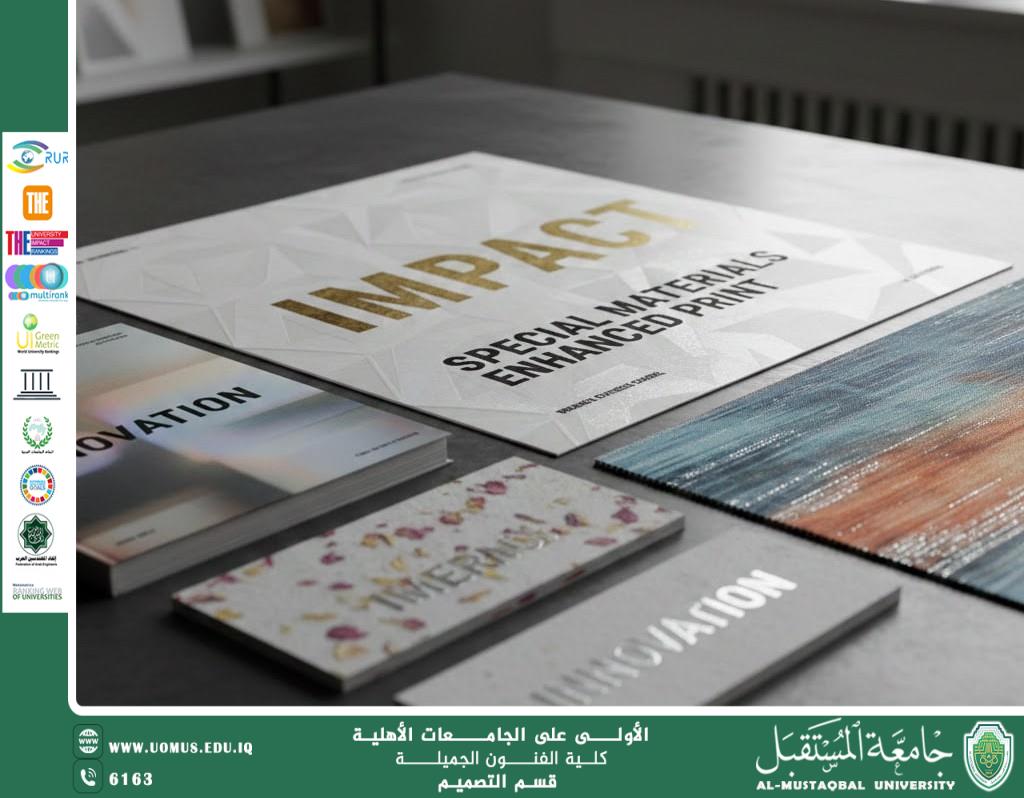
Print design is one of the most important fields of visual communication, combining art and technology. The success of a printed work does not depend only on concept or composition, but also on selecting the appropriate material on which the design is executed. Material choice plays a vital role in shaping the viewer’s visual and sensory perception, adding both aesthetic and functional value beyond traditional paper.
A wide variety of materials can be used in print design, including transparent plastics, metals, wood, and fabrics. Each material offers unique visual and tactile qualities. Printing on transparent plastic, such as acrylic, creates a modern and contemporary feel. Transparency allows light and backgrounds to interact with the design, producing innovative visual effects widely used in signage and modern packaging.
Printing on metals—through engraving, heat transfer, or metallic foils—provides a sense of luxury and durability. This technique is commonly used in premium invitations, luxury branding, and high-end packaging, where reflective surfaces highlight details and elevate the perceived value of the design.
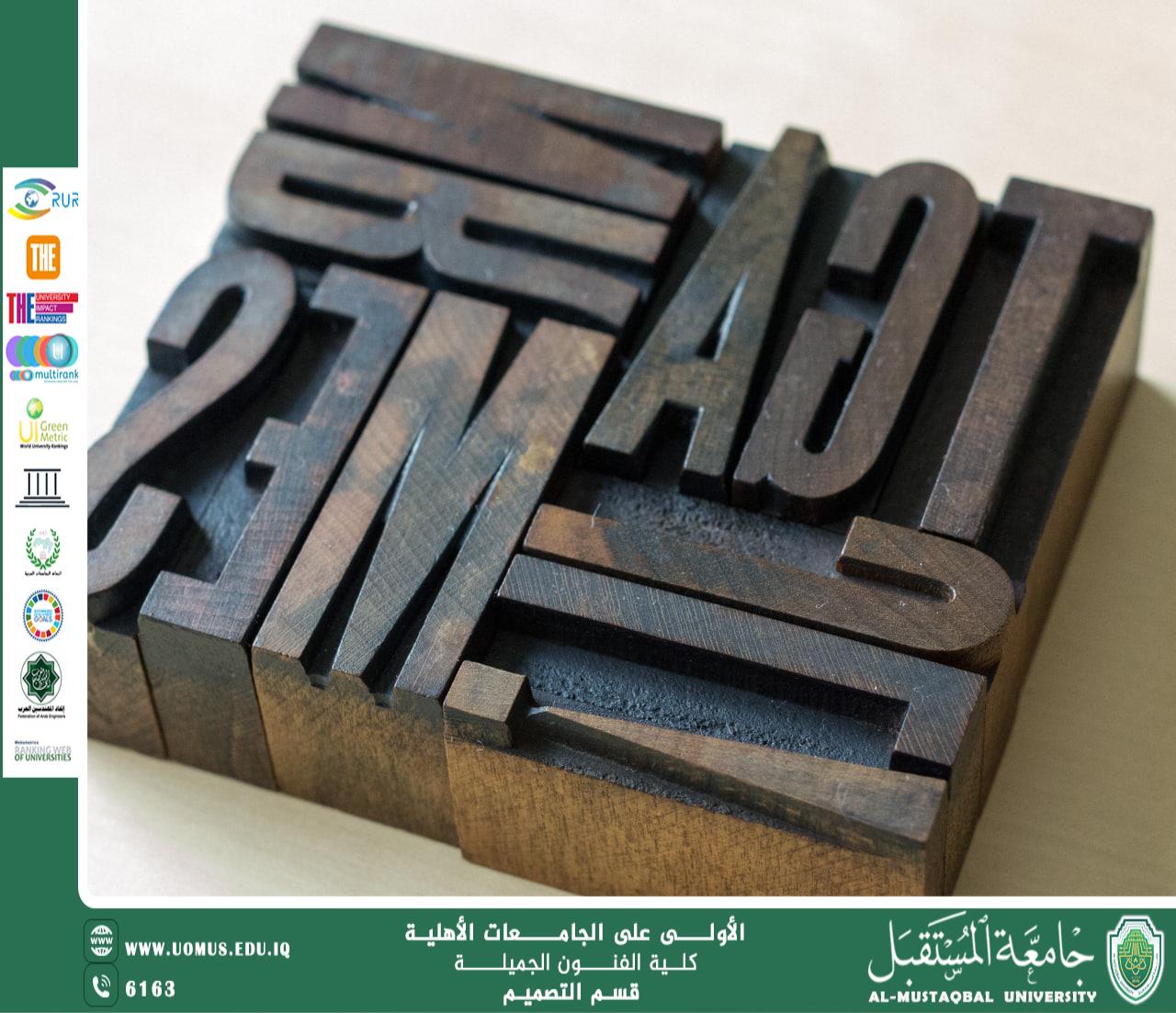
On the other hand, printing on wood offers a natural and warm character that connects design with craftsmanship and cultural heritage. The wood grain and color variations create unique visual textures, making it suitable for artistic products, signage, and eco-themed designs.
Fabrics represent a broad field in print design, especially in fashion, tote bags, and textile products. Techniques such as screen printing and digital textile printing allow designers to create functional artworks integrated into everyday life.
The importance of these materials lies in enhancing user experience. Design perception goes beyond visual appreciation to include touch, texture, weight, shine, and transparency. These sensory aspects make designs more engaging and memorable.
With modern technological advancements, designers can now experiment with innovative and eco-friendly materials such as recycled or biodegradable substrates, promoting sustainability in print design while adding environmental value to aesthetic quality.
Ultimately, choosing the right material is not merely a technical decision but a creative one that reflects the designer’s philosophy. Each material carries a different visual and emotional message, and when used effectively, it becomes a key element in the success and impact of print design.
Almustaqbal University, The First University in Iraq.