Advanced Integration of Thermal and Catalytic Separation Processes in Modern Processing Industries
Prepared by Engineer Tabarak Mohsin Ashour
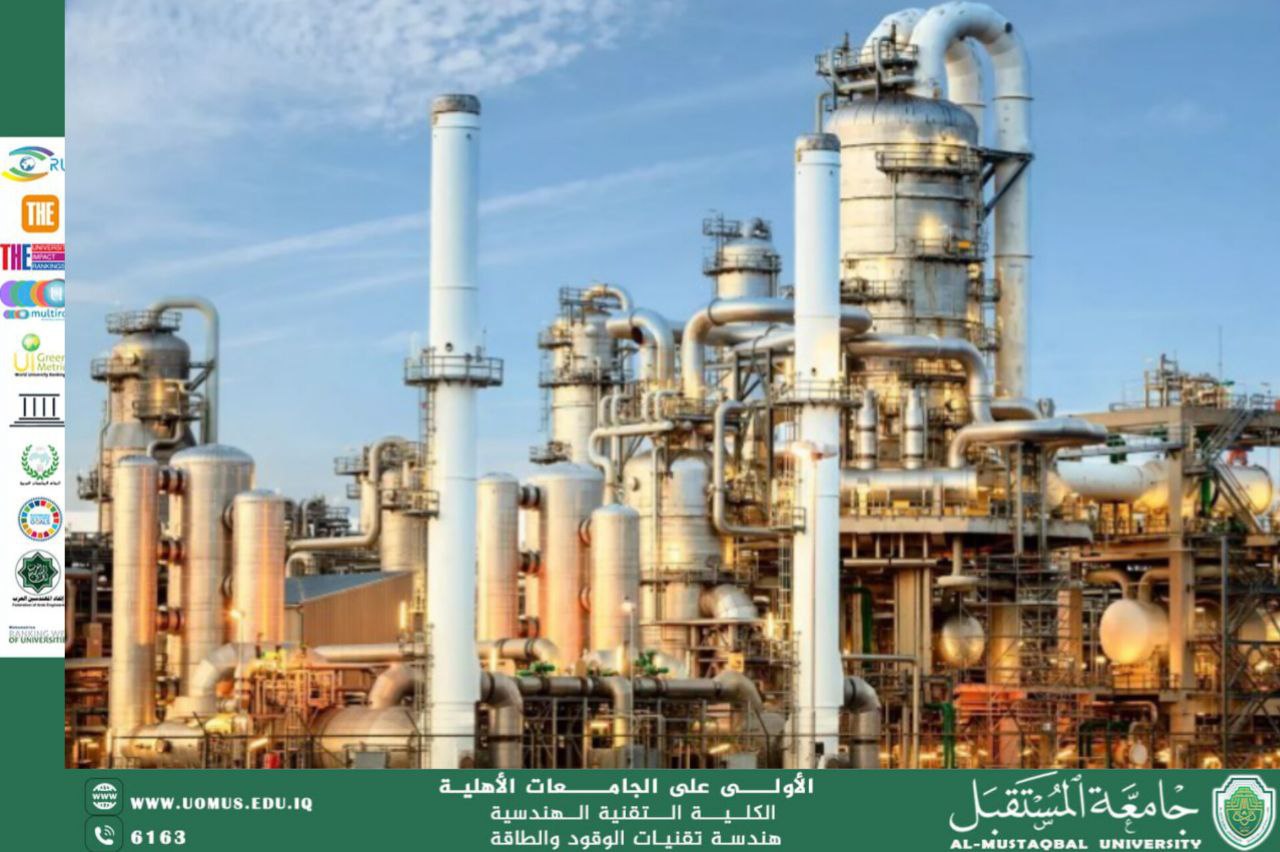
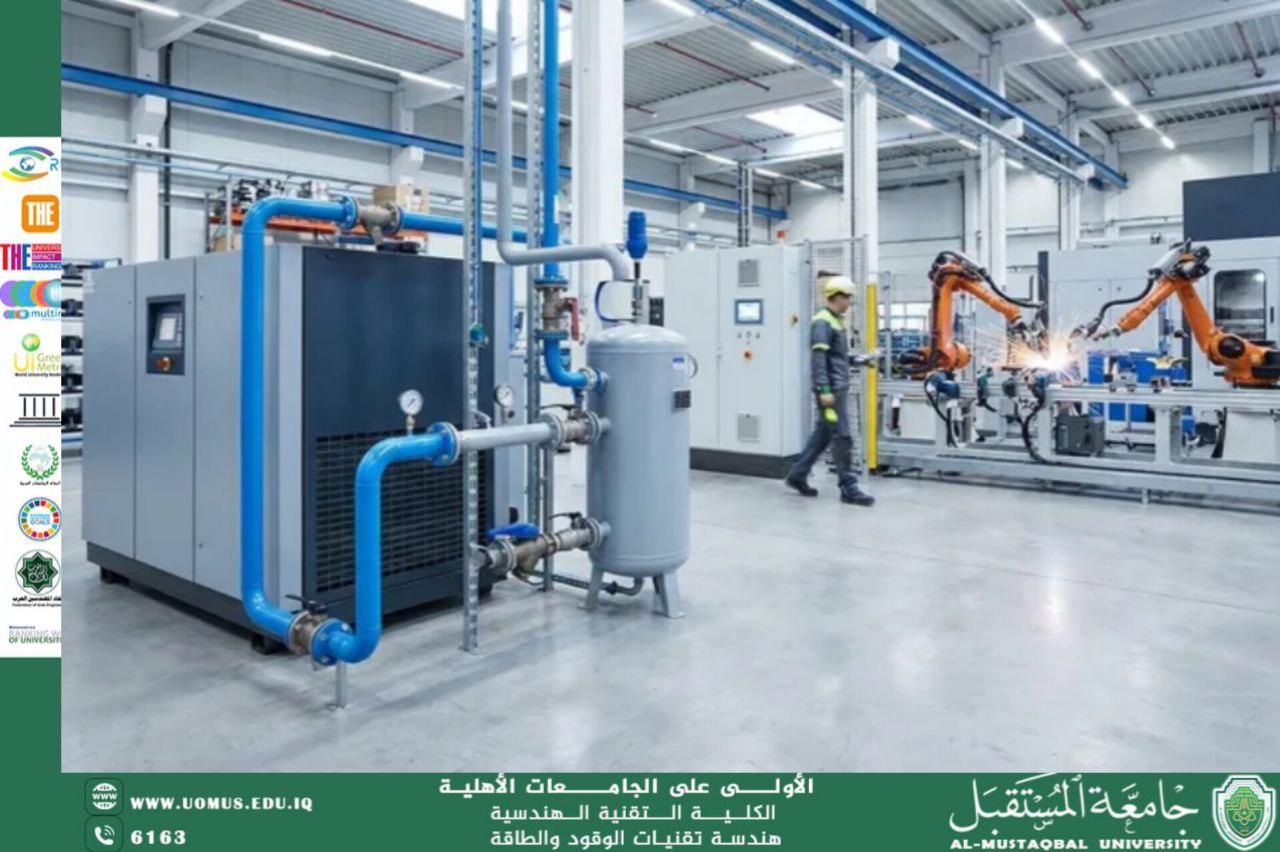
Modern processing industries rely fundamentally on the efficient integration of thermal and catalytic operations to produce high-value products with maximum efficiency and minimal environmental impact. The synergy between reaction and separation units represents a cornerstone of industrial productivity, as optimizing this relationship directly enhances yield, selectivity, and overall process sustainability. Thermal separation techniques such as distillation, absorption, extraction, membrane separation, and adsorption are widely employed to isolate components based on differences in volatility, solubility, or molecular size, while catalytic processes accelerate reaction rates and improve selectivity toward desired products, reducing unwanted by-products and energy consumption. Advances in reactor design, heat and mass transfer optimization, and high-performance catalysts—particularly nanostructured catalysts with large surface areas—have significantly improved operational performance and raw material utilization. Furthermore, process integration strategies, including heat exchanger network design and energy recovery systems, have become essential for minimizing thermal losses and reducing operational costs, contributing to lower greenhouse gas emissions and improved environmental compliance. The adoption of advanced mathematical modeling and computational simulation tools enables engineers to analyze dynamic system behavior, predict operational disturbances, and determine optimal operating conditions with high precision. In parallel, the incorporation of digital technologies, automation, and intelligent control systems enhances reliability, safety, and efficiency across complex industrial facilities. Sustainability considerations now play a central role, with increased emphasis on waste minimization, resource recovery, water treatment, and circular economy principles to ensure responsible production practices. As global demand for high-purity materials, fuels, and specialty products continues to grow, the development of innovative, energy-efficient, and environmentally conscious processing solutions remains essential for achieving long-term industrial resilience, economic competitiveness, and sustainable technological advancement.