Animal-Based Foods: Nutritional Value, Health Benefits, and Future Challenges
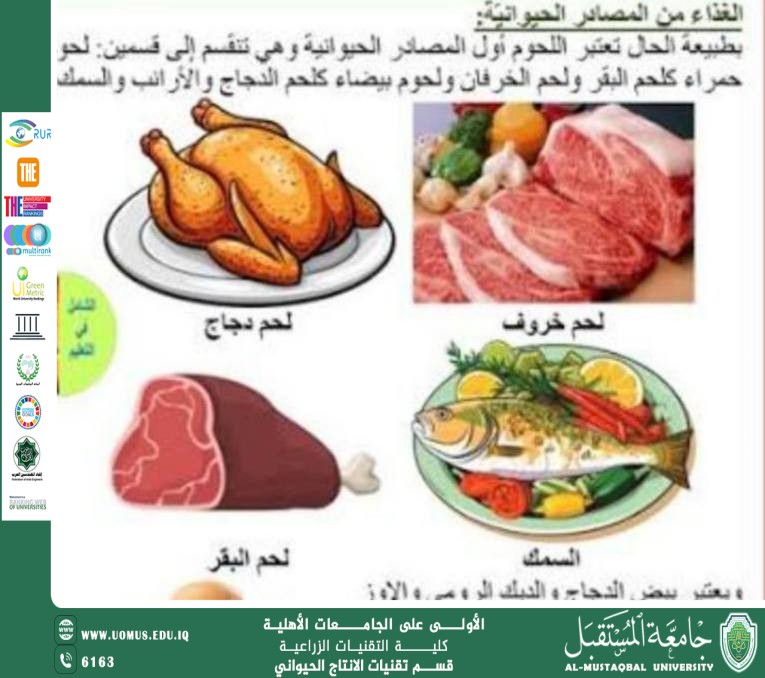
Animal-based foods are considered essential sources of vital nutrients necessary for human health. They include meat, fish, poultry, milk and dairy products, and eggs. These foods are characterized by their high-quality proteins with elevated biological value, in addition to a wide range of vitamins and minerals required for growth, tissue building, and maintaining the body’s vital functions.
First: Nutritional Value of Animal-Based Foods
Animal-based foods are distinguished by the following:
1. Complete Proteins: They contain all essential amino acids that the human body cannot synthesize, unlike most plant-based proteins.
2. Heme Iron: Found in red meat, it has higher bioavailability and is more easily absorbed than non-heme iron from plant sources.
3. Vitamin B12: Found almost exclusively in animal products, it is essential for red blood cell formation and proper nervous system function.
4. Calcium: Abundant in milk and dairy products, it is crucial for healthy bones and teeth.
5. Omega-3 Fatty Acids: Especially present in fatty fish, they play a significant role in supporting heart and brain health.
Second: Health Benefits
Moderate and balanced consumption of animal-based foods contributes to:
• Supporting growth in children and adolescents.
• Maintaining muscle mass in adults and the elderly.
• Preventing anemia caused by iron or vitamin B12 deficiency.
• Enhancing immune system function.
Third: Potential Risks
Despite their benefits, excessive consumption of certain animal-based foods—particularly processed meats and those high in saturated fats—may be associated with an increased risk of cardiovascular diseases, obesity, and certain types of cancer. Therefore, health organizations recommend moderation in consumption and choosing lean, low-fat sources.
Fourth: Environmental Challenges and Sustainability
Animal production is associated with significant environmental impacts, including greenhouse gas emissions and high water resource consumption. Consequently, global efforts are increasingly directed toward improving sustainable livestock production systems and reducing food waste.
Animal-based foods remain an important component of a balanced diet when consumed in moderation. Health and environmental considerations should be taken into account when planning dietary patterns to ensure a balance between nutritional benefits and environmental sustainability.
Al-Mustaqbal University… the leading private university in Iraq.