
Sleep Deprivation and Its Impact on Human Health prepared by Asst. Zainab Ali Mohsin Al-Khafaji
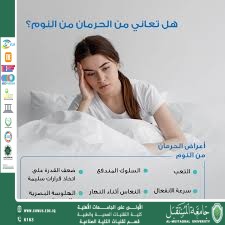
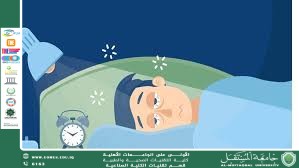
Sleep is a fundamental biological process essential for physical, mental, and emotional well-being. Sleep deprivation, whether acute or chronic, has been shown to negatively affect multiple physiological systems in the human body.
Insufficient sleep disrupts hormonal balance, particularly hormones involved in appetite regulation such as leptin and ghrelin, leading to increased hunger and risk of obesity. Sleep deprivation is also associated with impaired glucose metabolism and increased risk of type 2 diabetes. Additionally, chronic lack of sleep elevates blood pressure and increases the likelihood of cardiovascular diseases.
Cognitive functions are significantly affected by sleep deprivation. Reduced concentration, impaired memory, slower reaction times, and decreased decision-making ability are common consequences. Long-term sleep deprivation has also been linked to mental health disorders, including depression and anxiety.
Adults are generally recommended to obtain 7–9 hours of quality sleep per night. Maintaining good sleep hygiene, such as consistent sleep schedules and limiting screen exposure before bedtime, is essential for promoting optimal health.
References:
National Sleep Foundation. (2021).
Medic, G. et al. (2017).
Al-Mustaqbal University the first in Iraq