A scientific article entitled "Building a Linguistic Model for Processing the Iraqi Dialect Using Deep Learning Techniques" by researcher Banin Nazim.
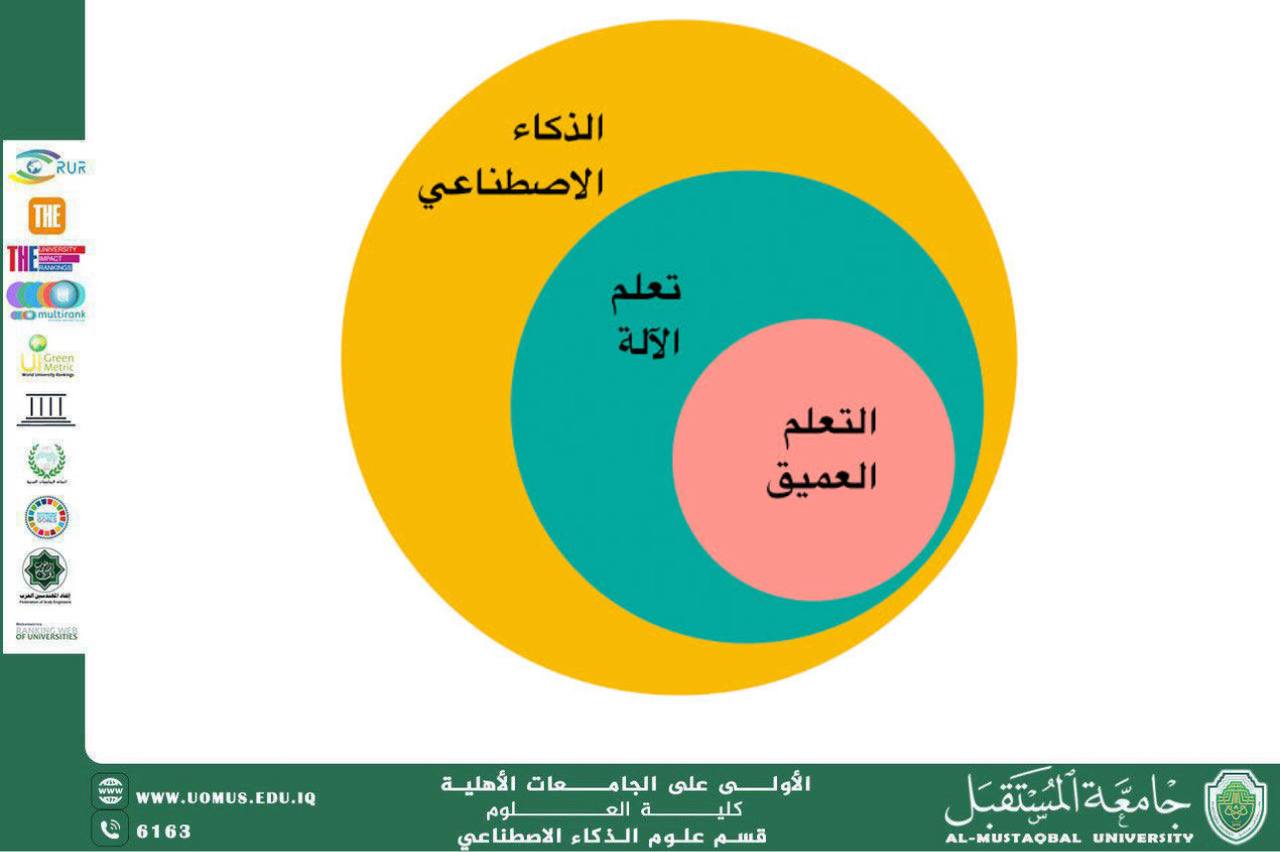
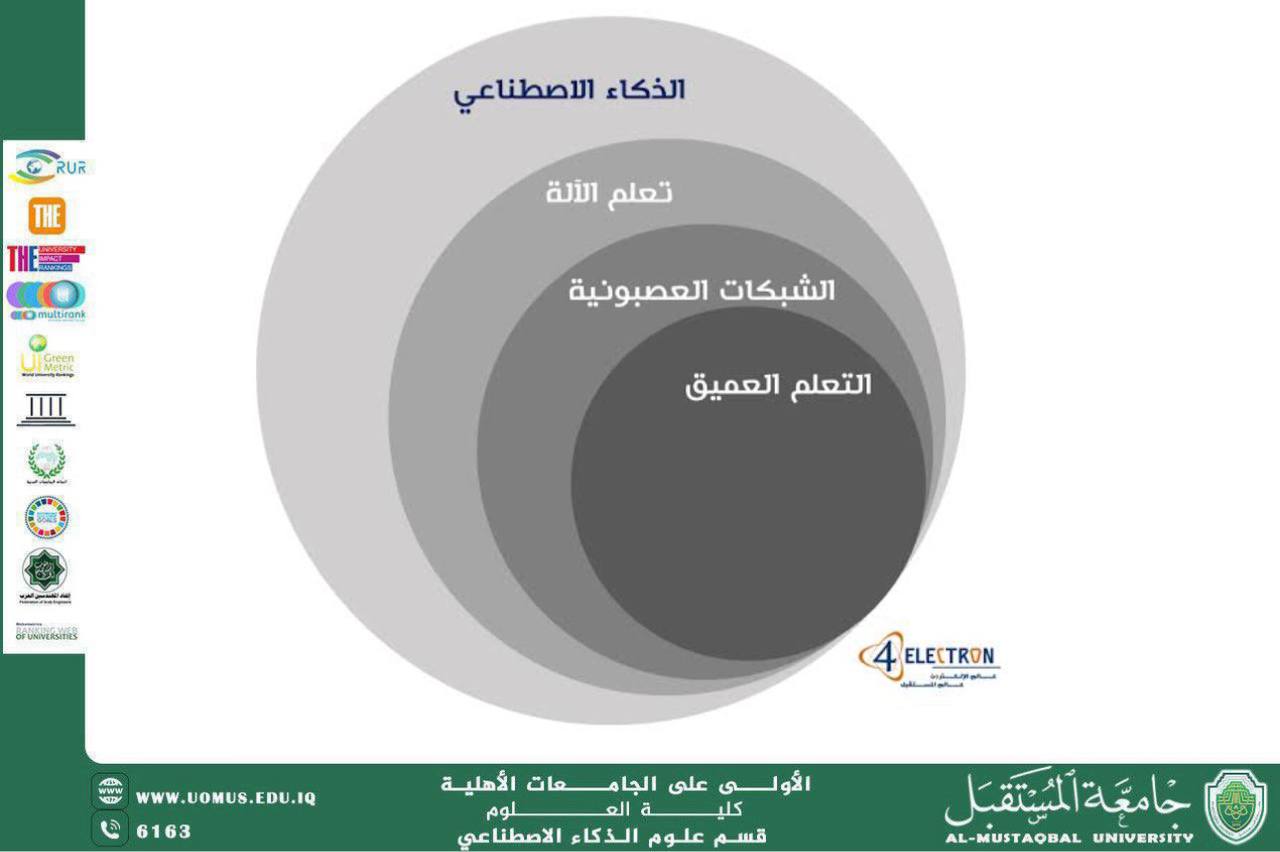
Natural Language Processing (NLP) is one of the most vital fields in artificial intelligence, aiming to enable computers to understand human text and speech in a way that closely resembles human comprehension. One of the major challenges in this field is the processing of local dialects, among which the Iraqi dialect stands out due to its diversity and variations across provinces and regions, in addition to containing terms not found in Modern Standard Arabic. Building a linguistic model for processing the Iraqi dialect aims to develop a system capable of understanding and analyzing text and speech in the local dialect and distinguishing words and phrases used in different contexts. This model relies on deep learning techniques such as deep neural networks and transformer models, which have proven highly effective in handling natural language and recognizing complex patterns. The model is trained on large datasets containing Iraqi dialect texts from multiple sources, including social media, voice conversations, and online forums, to ensure coverage of the widest possible linguistic variety. The system also enables the application of speech recognition technologies, allowing the conversion of Iraqi speech into written text, opening possibilities for multiple applications such as real-time translation, intelligent assistant systems, and sentiment analysis. Through this model, researchers can also study linguistic changes and monitor the influence of social and cultural developments on the Iraqi dialect, adding an important research dimension. Furthermore, the model contributes to supporting local digital content and enabling developers and researchers to create intelligent applications that interact with users in the local language, enhancing technology adoption effectively. Building the model faces several challenges, including a lack of reliable resources, significant variation between words and dialects, and the influence of Modern Standard Arabic on some texts. However, the use of deep learning provides robust mechanisms to detect and process linguistic patterns accurately, with the possibility of continuously improving the model through feedback and human review. This project reflects the importance of integrating AI with local linguistic research and represents a significant step toward developing intelligent systems capable of understanding and interacting with local Arabic dialects effectively, thereby enhancing the technological utilization of the Arabic language and facilitating access to digital services for all segments of society.