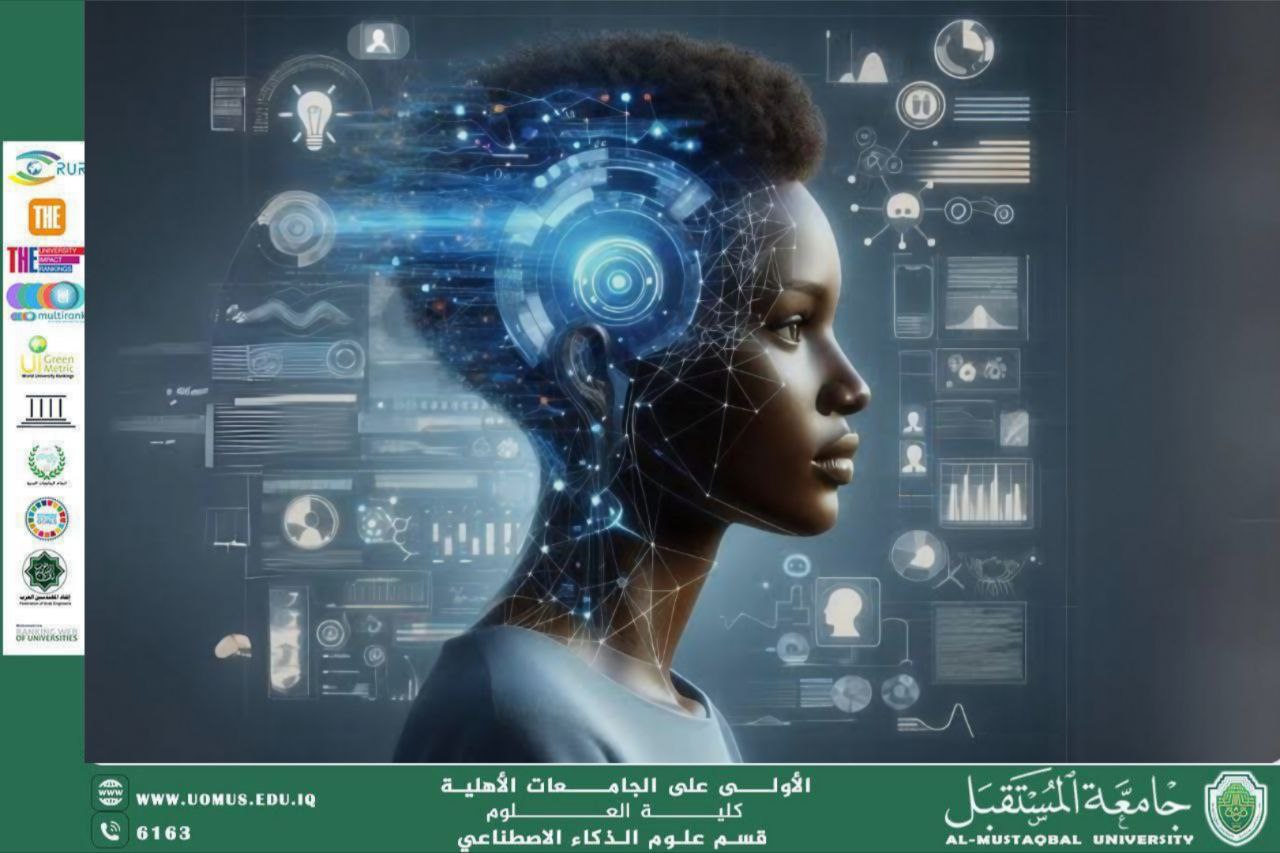
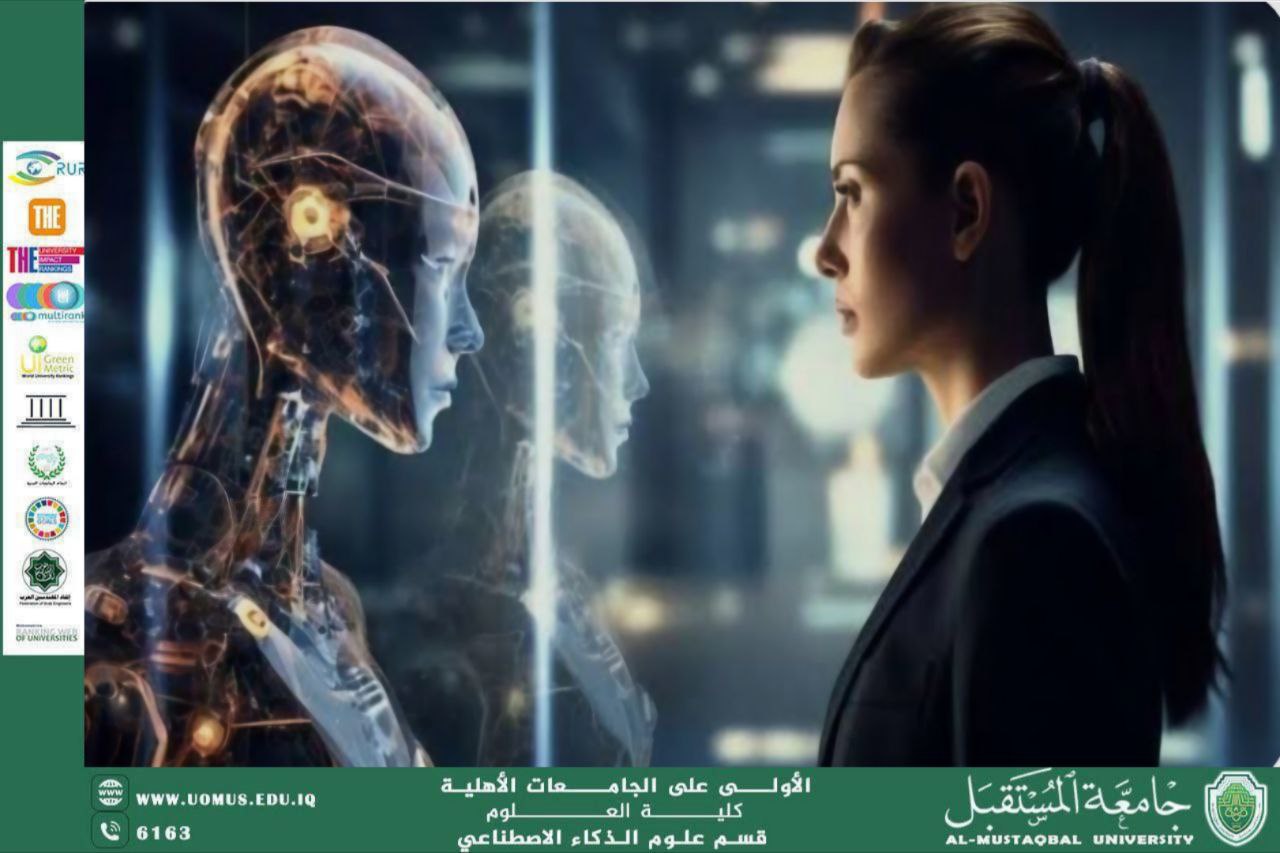
An academic article titled "Algorithmic Transformation in Educational Institutions and its Impact on Women's Empowerment" by researcher M.M. Samar Hussein Hilal
Algorithmic Transformation in Educational Institutions and Its Impact on Women’s
Academic Empowerment
Algorithmic transformation refers to the increasing reliance on algorithms and artificial intelligence systems in managing and making decisions within educational institutions. Universities and academic organizations now employ predictive analytics, intelligent learning platforms, and performance evaluation algorithms to guide educational policies, allocate resources, and assess both students and faculty members.
This transformation reshapes academic environments by potentially reducing human biases in admissions, evaluation, and promotion processes. For women, this may translate into more objective, performance-based assessments rather than judgments influenced by gender stereotypes. Additionally, digital learning platforms offer flexible environments that support work–life balance, a significant factor in women’s academic empowerment.
However, uncritical dependence on algorithms may reproduce existing structural biases embedded in historical data. If past datasets reflect gender disparities, AI systems may inadvertently reinforce them. This highlights the importance of algorithmic fairness and responsible AI principles to ensure that technology does not become a tool for perpetuating inequality.
Algorithmic transformation also expands research opportunities for women by facilitating access to large datasets, advanced analytical tools, and digital publishing platforms, thereby strengthening scholarly visibility and productivity. Nevertheless, this requires investment in digital capital and specialized training in data analytics and emerging technologies.
In conclusion, algorithmic transformation represents a double-edged phenomenon: it can serve as a powerful mechanism for women’s academic empowerment through transparency and efficiency, or it may subtly reproduce bias if not governed by ethical and inclusive frameworks.