A scientific article entitled Artificial Intelligence and Global Food Security. Researcher: (Baneen Nazem Sarhan)
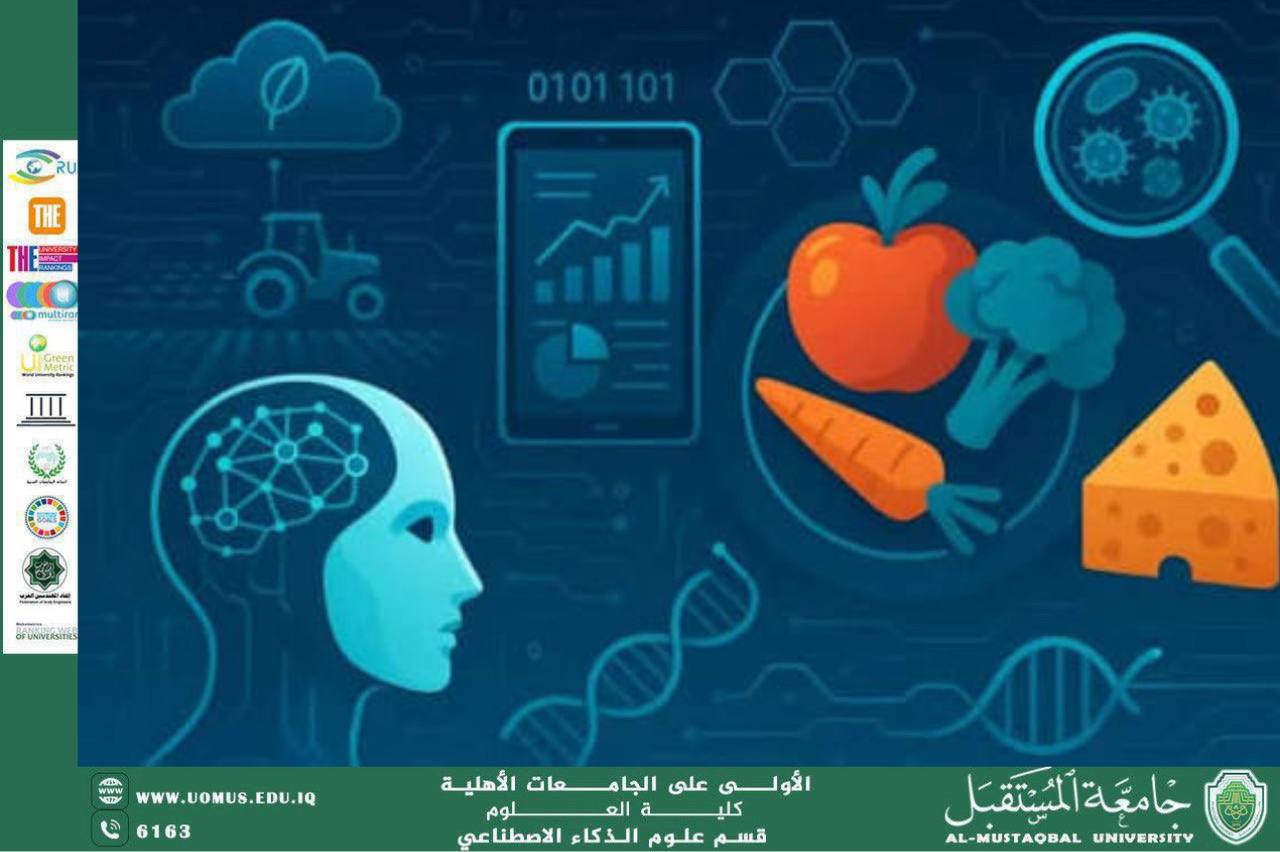
Global food security remains one of the most pressing challenges of the twenty-first century. Rapid population growth, climate change, water scarcity, soil degradation, and geopolitical instability have intensified pressure on agricultural systems worldwide. In this context, Artificial Intelligence (AI) has emerged as a transformative tool capable of enhancing agricultural productivity, optimizing resource management, and improving supply chain efficiency to ensure sustainable food availability.
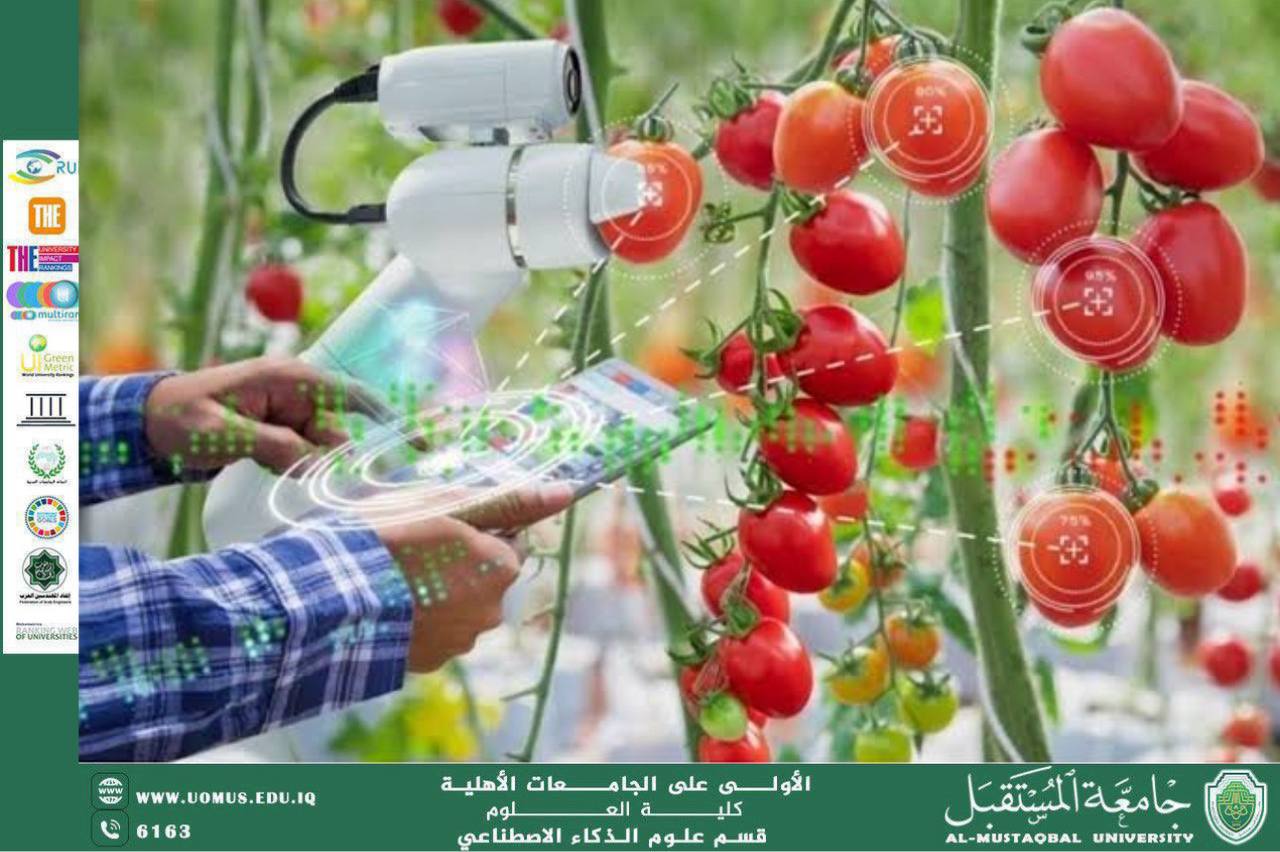
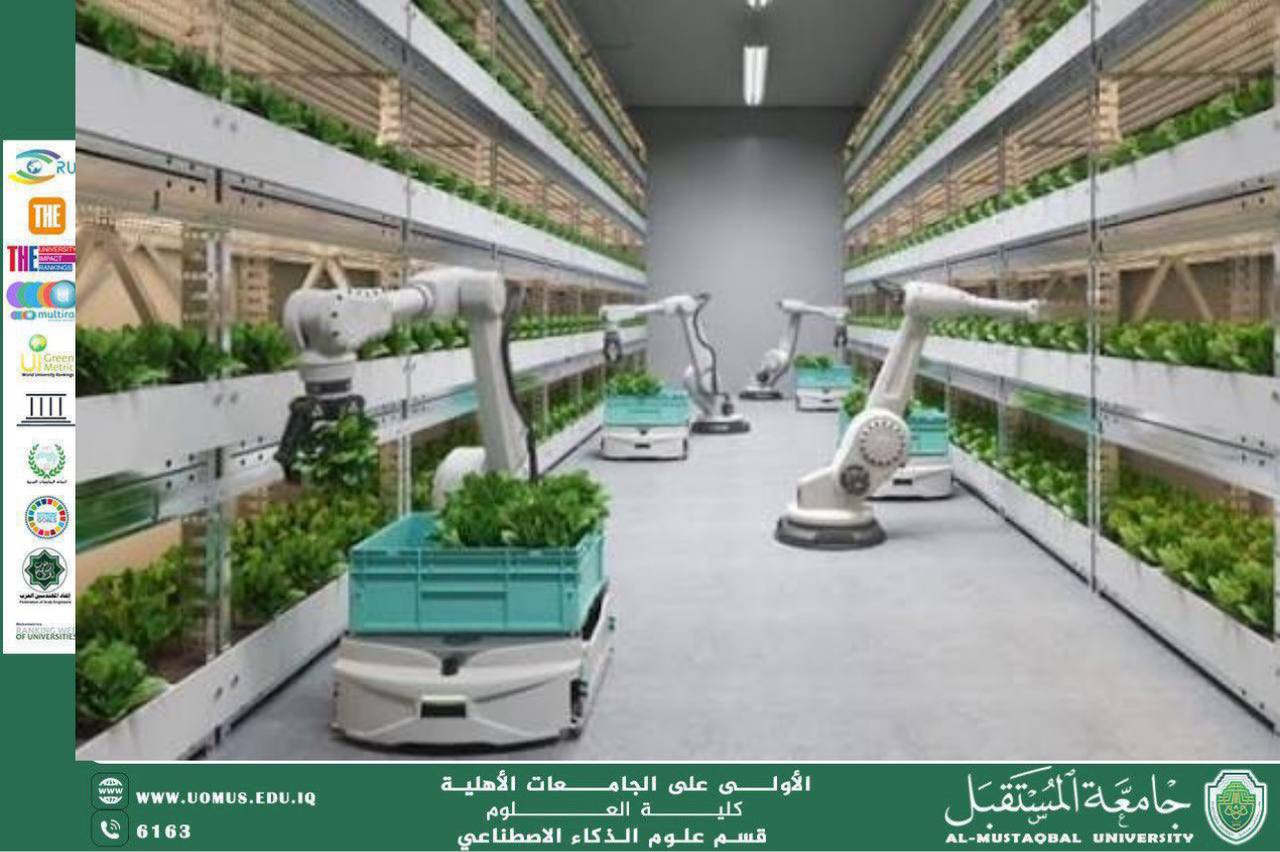
AI technologies are increasingly integrated into precision agriculture, where machine learning algorithms analyze data collected from satellites, drones, and ground sensors. These systems monitor soil conditions, crop health, temperature, humidity, and nutrient levels in real time. By processing this data, AI models provide predictive insights that help farmers determine optimal planting times, irrigation schedules, and fertilization strategies. Such data-driven decision-making reduces waste, increases yield, and promotes environmentally sustainable farming practices.
Climate variability poses a significant threat to food production. AI-based predictive models can analyze historical weather patterns and climate data to forecast extreme events such as droughts, floods, or heatwaves. Early warning systems powered by AI enable governments and agricultural stakeholders to implement preventive measures, minimizing crop losses and stabilizing food supply. In regions vulnerable to climate change, these predictive capabilities are essential for long-term resilience.
Another crucial application of AI lies in crop disease detection and pest management. Computer vision systems using deep learning algorithms can identify plant diseases from leaf images with high accuracy. Early detection allows targeted intervention, reducing reliance on excessive pesticide use and limiting environmental harm. This approach not only safeguards crop yields but also contributes to safer food production and improved public health outcomes.
Beyond production, AI plays a vital role in optimizing food supply chains. Advanced analytics and predictive algorithms enhance demand forecasting, inventory management, and transportation logistics. By minimizing post-harvest losses and improving distribution efficiency, AI helps bridge the gap between food surplus regions and areas facing shortages. This contributes directly to reducing hunger and ensuring equitable food access.
AI also supports food policy and global monitoring efforts. By analyzing large-scale socioeconomic and agricultural datasets, AI systems can identify regions at high risk of food insecurity. International organizations and policymakers use these insights to allocate resources effectively and design targeted intervention programs. In humanitarian contexts, AI-driven models assist in crisis response planning and resource distribution.
Despite its potential, the implementation of AI in global food systems faces several challenges. Limited technological infrastructure in developing countries may hinder adoption. Data availability and quality remain critical concerns, as accurate AI models depend on reliable datasets. Ethical considerations, including data ownership and digital inequality, must also be addressed to ensure inclusive and fair technological deployment.
In conclusion, Artificial Intelligence represents a powerful instrument in the pursuit of global food security. By enhancing agricultural efficiency, improving climate resilience, optimizing supply chains, and supporting policy decisions, AI contributes to building more sustainable and resilient food systems. However, achieving equitable global impact requires responsible implementation, international collaboration, and continuous investment in technological accessibility.