
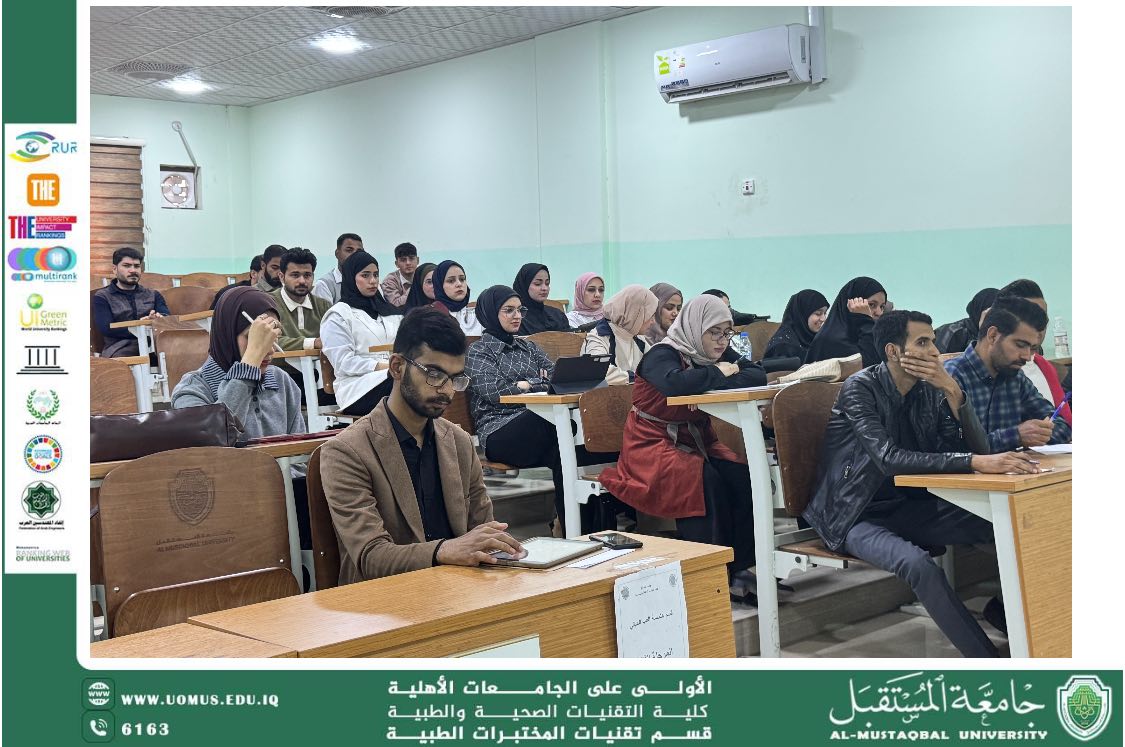
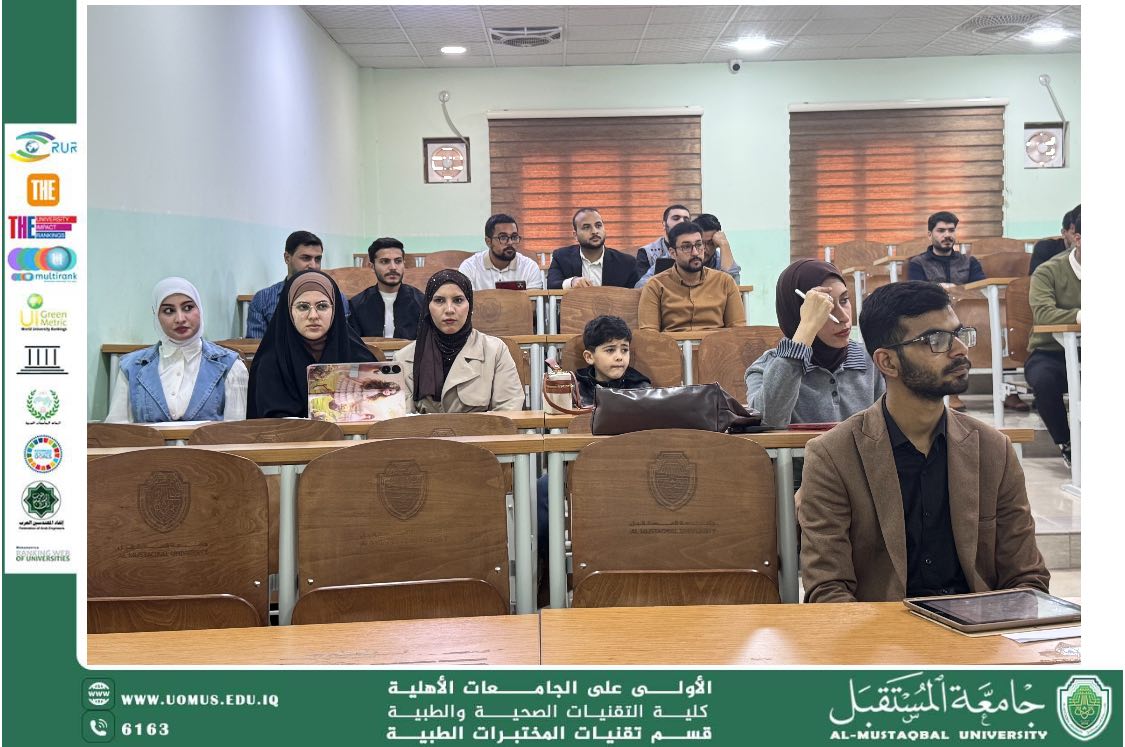
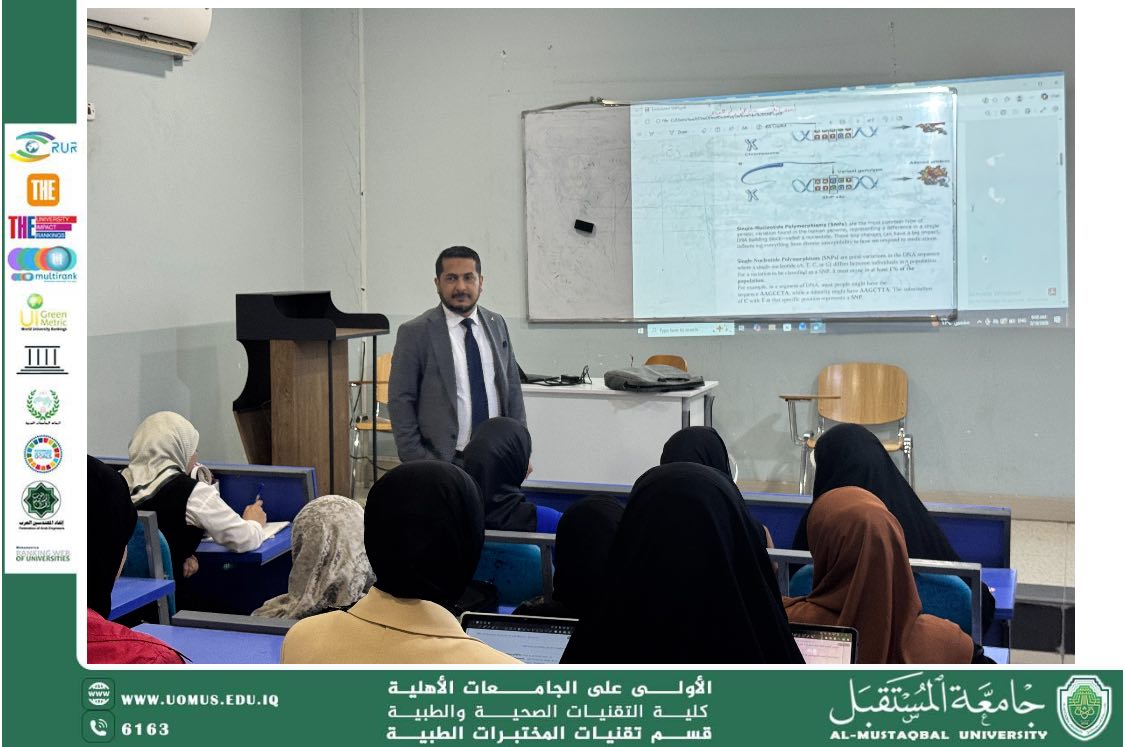
Awareness Workshop Title: Maintaining Good Health During the Month of Ramadan
Delivered by: Dr. Ali Turki
Introduction:
The month of Ramadan is a great opportunity not only for worship but also for reorganizing one’s lifestyle and improving healthy habits. However, some incorrect eating behaviors may lead to fatigue, dehydration, and weight gain. This workshop aims to raise awareness about how to maintain good health during fasting in a balanced and safe way.
Workshop Objectives:
• To raise awareness about proper nutrition during Ramadan.
• To reduce health problems associated with fasting.
• To promote healthy habits throughout the holy month.
• To highlight the importance of hydration and proper sleep.
Workshop Topics:
1. Health Benefits of Fasting
• Improving insulin sensitivity.
• Giving the digestive system a period of rest.
• Helping with weight control when following a balanced diet.
• Enhancing self-discipline and regulating meal times.
2. Healthy Iftar Guidelines
• Start with dates and water.
• Avoid excessive consumption of fried and fatty foods.
• Divide the meal into two stages (light Iftar followed by a main meal).
• Increase intake of vegetables and healthy proteins.
3. Ideal Suhoor Meal
• Delay Suhoor as much as possible.
• Choose fiber- and protein-rich foods (eggs, yogurt, oats).
• Reduce salty foods to prevent thirst.
• Drink sufficient amounts of water.
4. Common Mistakes During Ramadan
• Overeating sweets.
• Not drinking enough water between Iftar and Suhoor.
• Staying up late and not getting enough sleep.
• Neglecting physical activity.
5. Important Health Tips
• Drink at least 8 glasses of water between Iftar and Suhoor.
• Practice light exercise two hours after Iftar.
• Get 6–8 hours of sleep daily.
• Patients with chronic diseases should consult their doctor before fasting.
Al-Mustaqbal University is the first university in Iraq
Department of Medical Laboratory Techniques – First in the Iraqi National Ranking.