Environmental Pollution in Iraq: Present Challenges and the Imperatives of Sustainable Solutions
Prepared by Engineer Tabark Mohsin Ashour
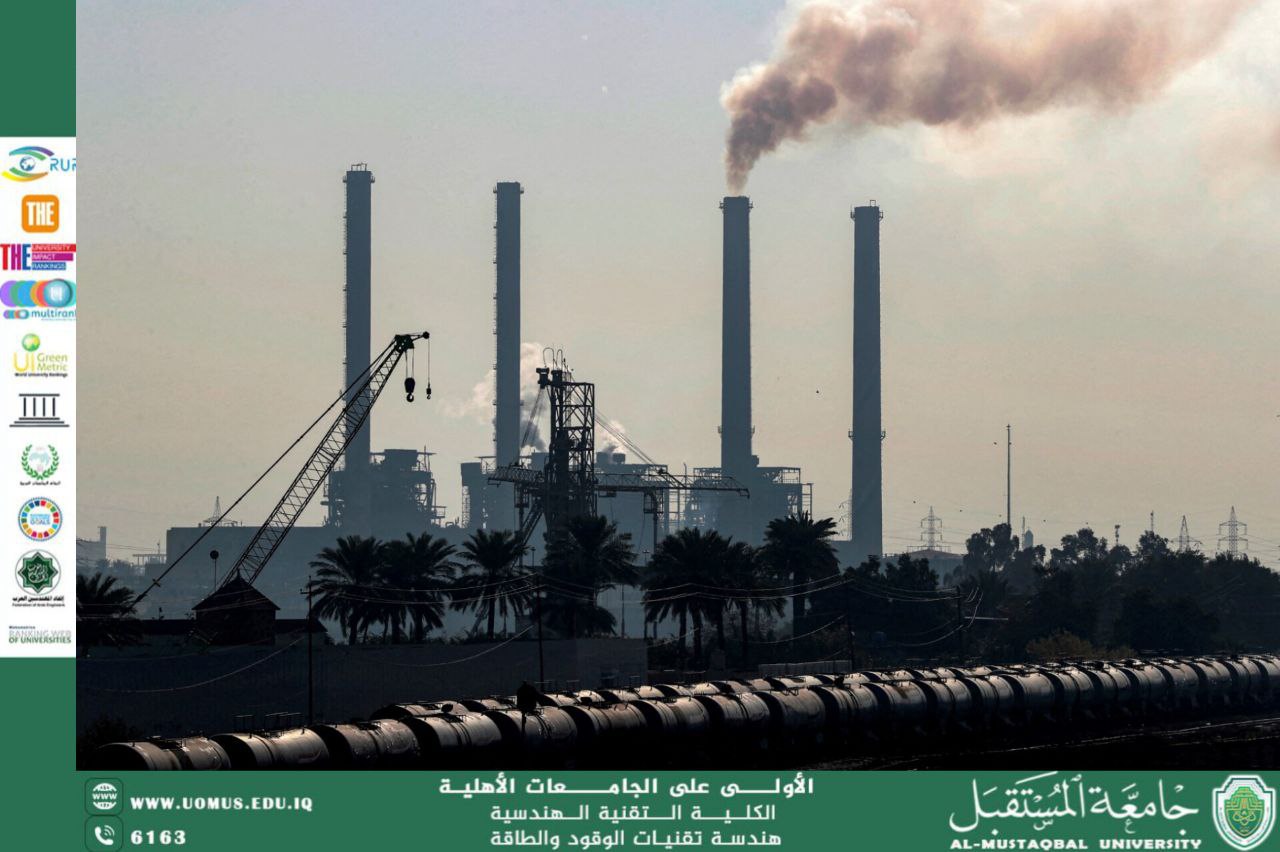
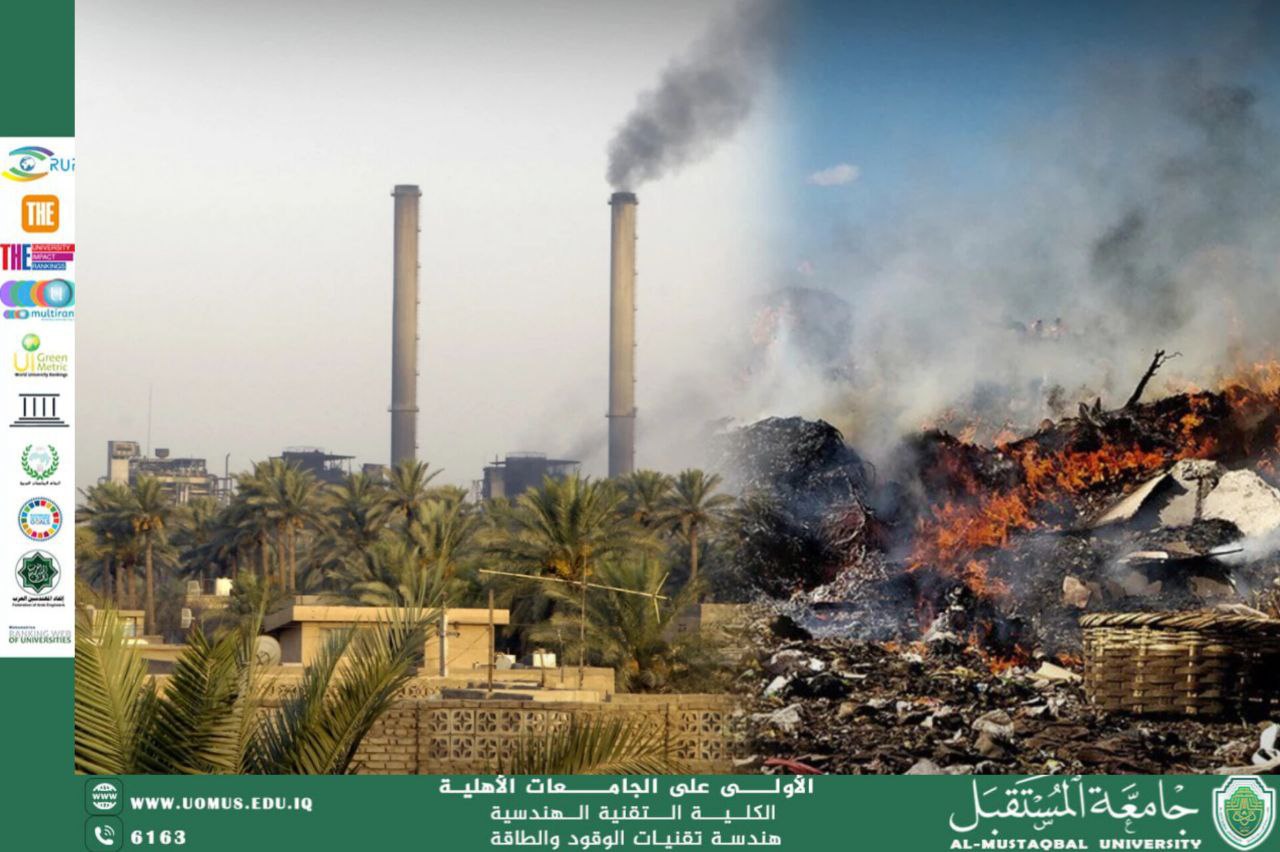
Environmental pollution represents one of the most critical challenges facing Iraq in the twenty-first century, as its causes and sources are deeply interconnected and influenced by industrial, economic, demographic, and administrative factors, requiring a comprehensive national vision and long-term sustainable policies to address it effectively. Iraq, recognized as one of the largest oil-producing countries within the Organization of the Petroleum Exporting Countries, relies heavily on the petroleum sector as the backbone of its economy; however, oil extraction and refining processes—particularly the widespread practice of gas flaring in oil fields—constitute major sources of air pollution due to the emission of greenhouse gases and toxic pollutants such as sulfur dioxide, nitrogen oxides, and fine particulate matter, which significantly impact public health and contribute to the spread of respiratory diseases, especially in southern oil-rich provinces. Moreover, unplanned urban expansion in major cities such as Baghdad and Basra has led to increased vehicle density and severe traffic congestion, resulting in elevated levels of exhaust emissions amid limited public transportation systems and insufficient environmental monitoring. Water pollution is another pressing environmental issue, as both the Tigris River and the Euphrates River are exposed to the direct discharge of untreated sewage, industrial waste, and domestic refuse, leading to deteriorating water quality, threats to aquatic life, and heightened risks of waterborne diseases, compounded by water scarcity, climate change impacts, and increasing salinity levels in certain regions. In addition, inadequate solid waste management exacerbates environmental degradation, with many areas relying on open dumping and uncontrolled burning practices that release hazardous pollutants into the air and soil, while modern recycling and safe treatment infrastructures remain limited. The environmental consequences of past military activities and hazardous remnants further complicate the situation in some regions, alongside frequent dust storms intensified by desertification and declining vegetation cover, highlighting the strong link between pollution and natural resource degradation. From a socio-economic perspective, the persistence of these environmental challenges increases healthcare costs, reduces productivity, and diminishes overall quality of life, making pollution control a national priority that necessitates stronger environmental legislation, effective regulatory enforcement, investment in clean technologies, expansion of renewable energy projects, improved water and waste management systems, and enhanced environmental awareness across educational and community institutions. Ultimately, environmental protection in Iraq is no longer a secondary concern but a fundamental requirement for achieving economic stability, social well-being, and a secure and sustainable future for generations to come.