The Effect of Smoking on Anesthesia
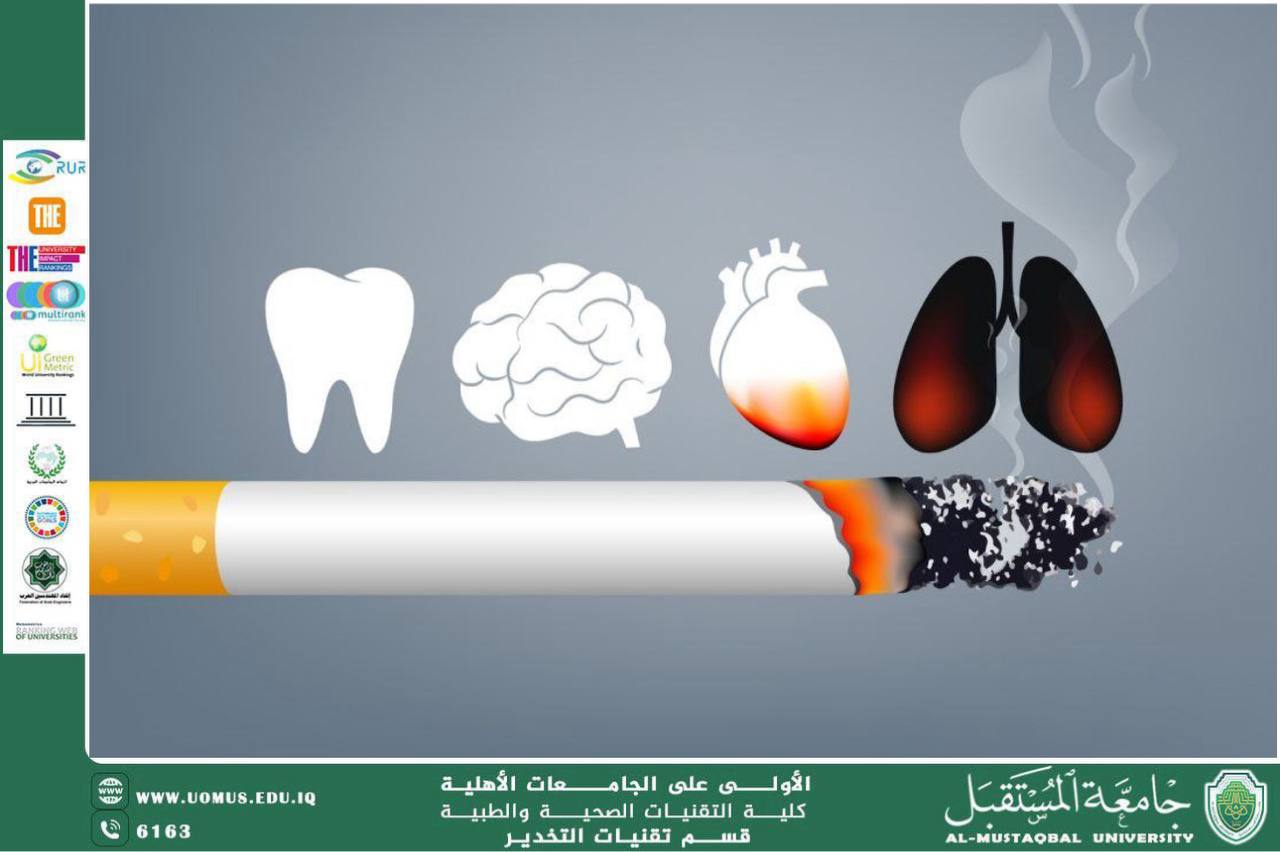
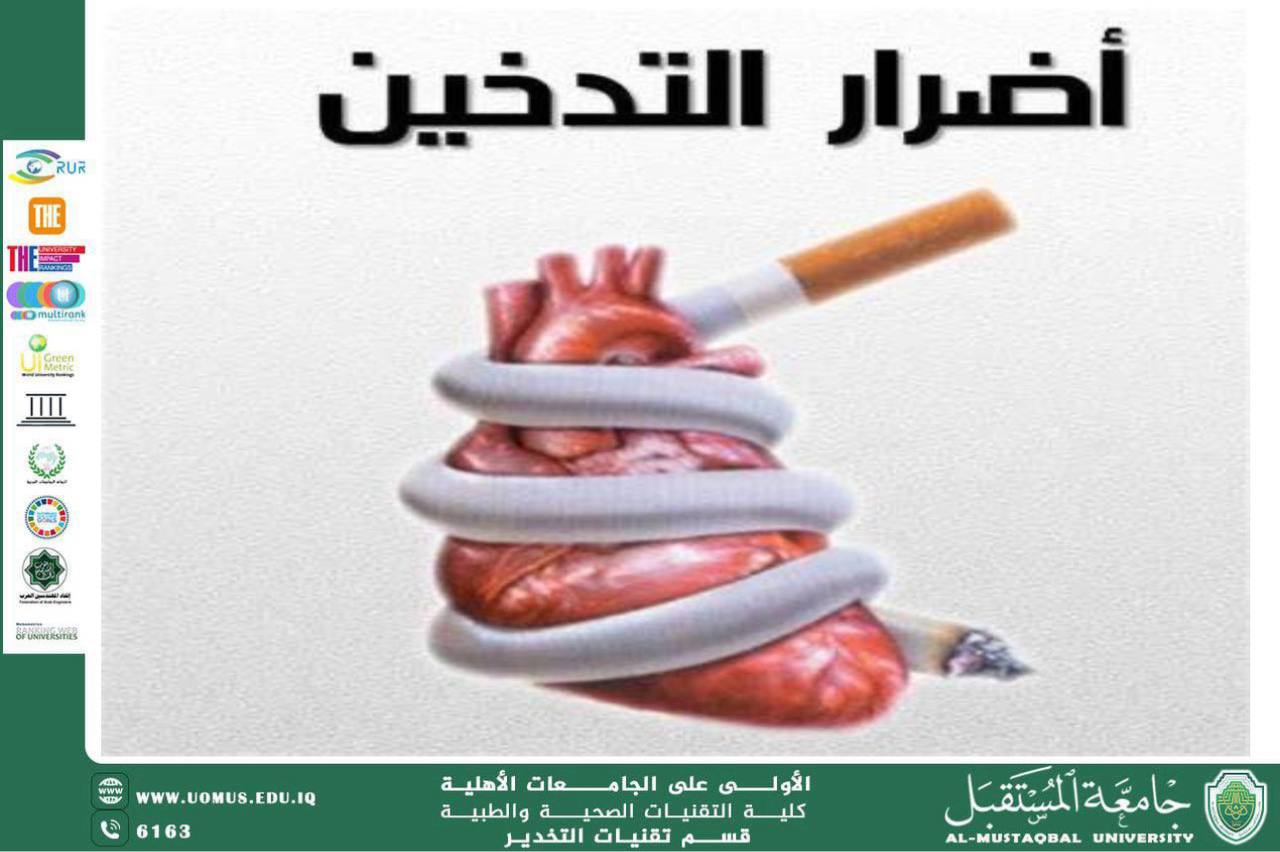
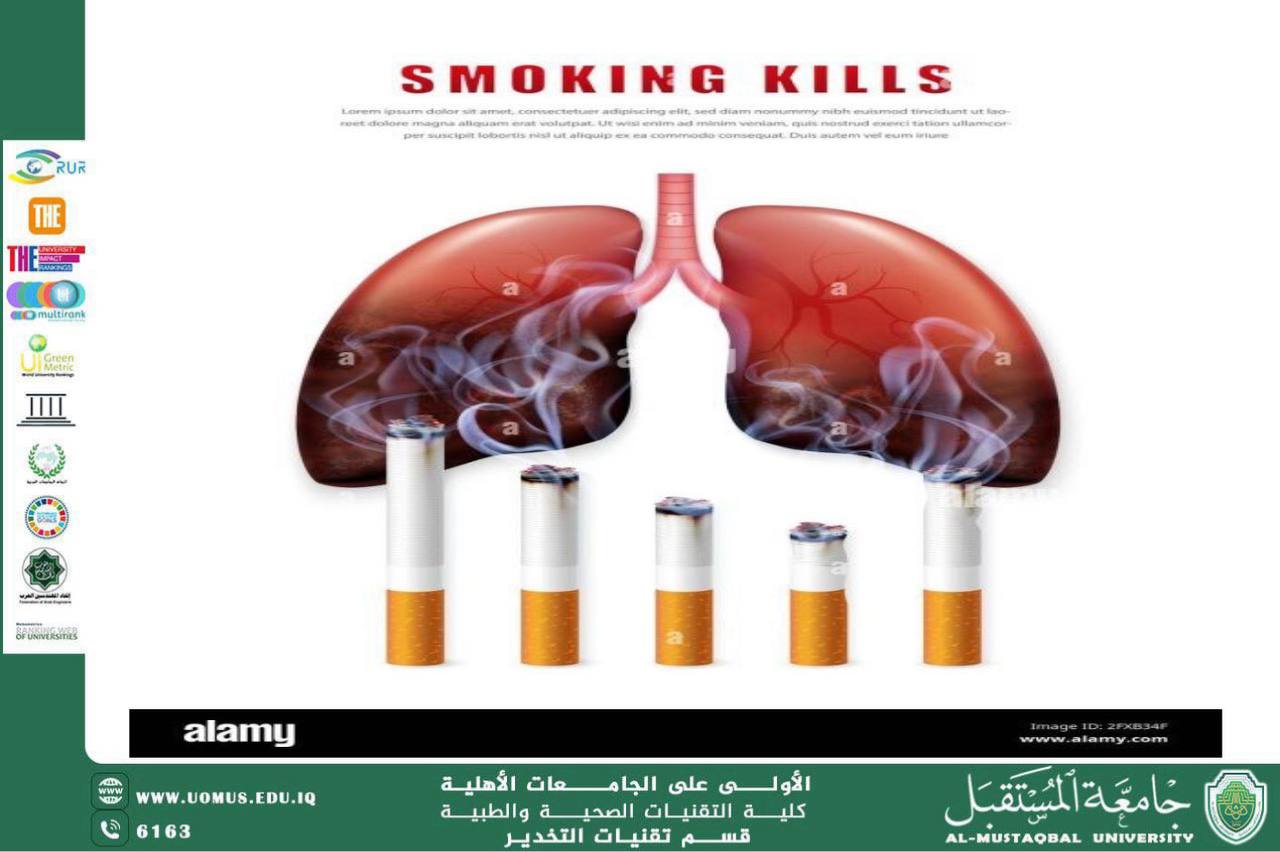
Smoking is considered one of the most significant factors negatively affecting human health, as it is associated with numerous respiratory, cardiovascular, and vascular diseases. It also has both direct and indirect effects on anesthesia procedures and patient safety during surgical operations. Smoking increases the risk of complications during and after anesthesia, requiring special attention from anesthesiologists and the medical team.
Components of Cigarette Smoke and Their Physiological Effects
Cigarette smoke contains more than 7,000 chemical substances, the most important of which are:
1. Nicotine: Causes an increase in heart rate and elevated blood pressure.
2. Carbon Monoxide (CO): Reduces the blood’s ability to carry oxygen.
3. Tar: Causes irritation of the respiratory system and damage to lung tissues.
These substances lead to:
• Reduced oxygen delivery to tissues
• Narrowing of the airways
• Increased mucus secretion
• Decreased lung efficiency
Effect of Smoking on the Respiratory System During Anesthesia
• Increased risk of bronchospasm
• Increased respiratory secretions leading to airway obstruction
• Higher likelihood of hypoxemia
• Delayed recovery from anesthesia
Effect of Smoking on the Cardiovascular System
• Elevated blood pressure
• Increased heart rate
• Higher risk of cardiac arrhythmias
• Increased likelihood of heart attacks and strokes
Effect of Smoking on Anesthetic Drugs
• Smokers often require higher doses of certain anesthetic drugs due to increased hepatic drug metabolism.
• Reduced effectiveness of some inhalational anesthetics.
• Increased likelihood of undesirable drug interactions.
Effect of Smoking in the Post-Anesthesia Period
• Increased risk of lung infections
• Delayed wound healing
• Increased coughing after recovery
• Higher risk of nausea and vomiting
• Prolonged hospital stay
Anesthesia Complications in Smokers
• Difficult intubation
• Airway obstruction
• Laryngospasm
• Oxygen desaturation
• Increased postoperative complications
Benefits of Smoking Cessation Before Surgery
1. Stopping smoking for 24 hours: Reduces carbon monoxide levels.
2. Stopping for 48–72 hours: Improves ciliary function in the respiratory tract.
3. Stopping for 4–8 weeks: Significantly reduces postoperative pulmonary complications.
Medical Recommendations
1. Smoking cessation before surgery is strongly recommended whenever possible.
2. Conduct a comprehensive respiratory assessment for smokers prior to anesthesia.
3. Provide supplemental oxygen and ensure close monitoring during and after anesthesia.
Conclusion
Smoking represents a major risk factor during anesthesia, as it increases the likelihood of respiratory and cardiovascular complications and affects the effectiveness of anesthetic drugs. Therefore, smoking cessation before surgery is an essential step in improving patient safety and anesthesia outcomes.
Hasan Najeh
Al-Mustaqbal University
The First University in Iraq.