Migraine
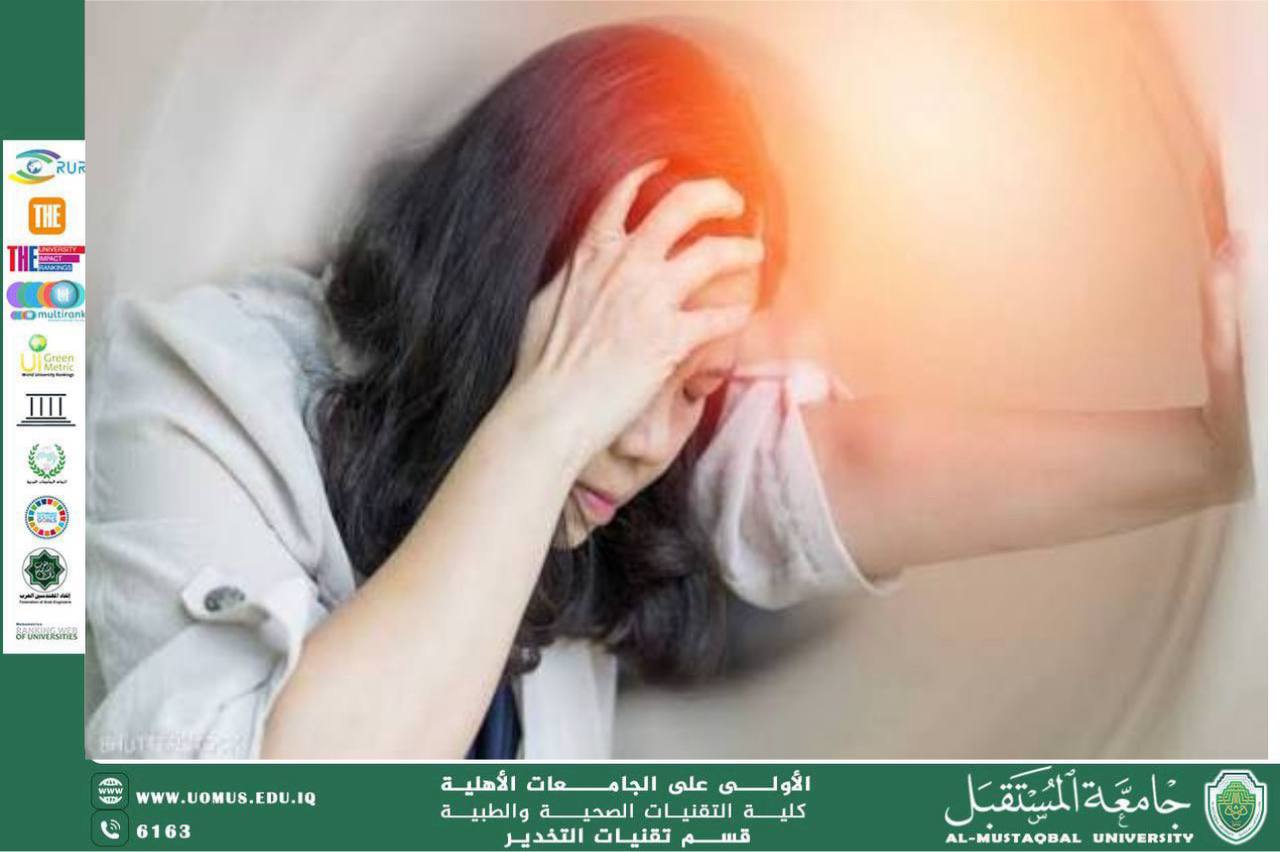
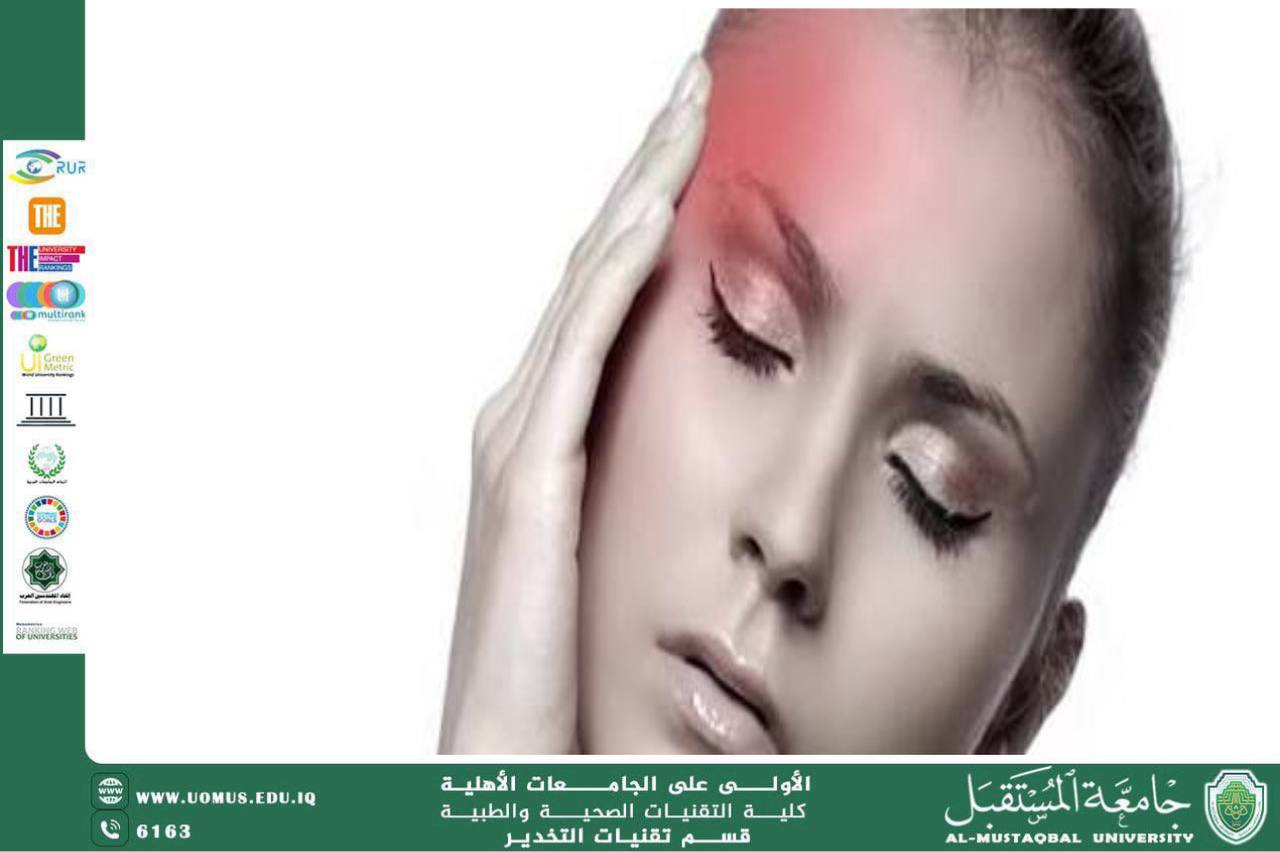
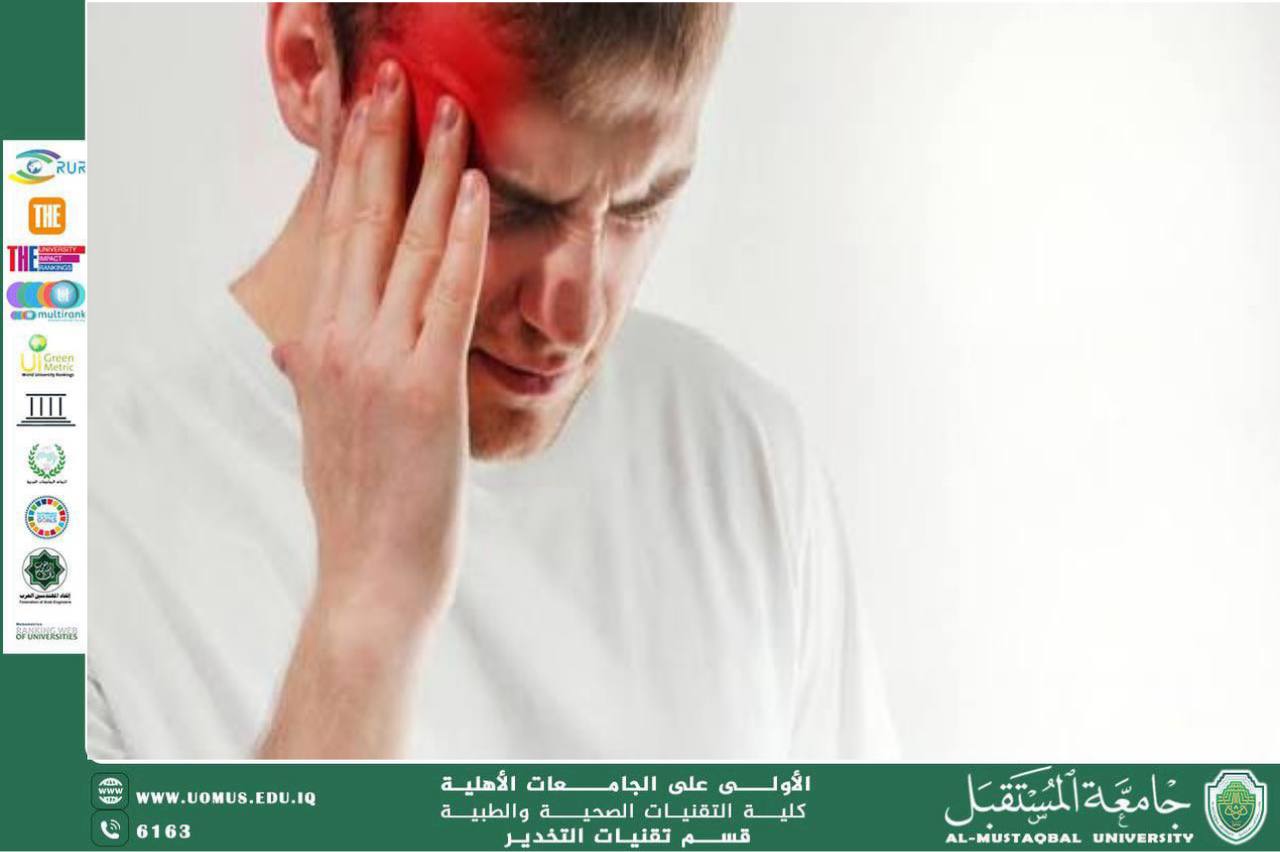
Migraine is a chronic neurological disorder characterized by recurrent episodes of moderate to severe headache, often described as throbbing and typically affecting one side of the head. Attacks may last from hours to several days and are frequently accompanied by nausea and sensitivity to light and sound.
Migraine is more common in women and significantly impacts quality of life.
Pathophysiology
Although the exact cause is not fully understood, migraine is associated with:
• Abnormal brain activity affecting nerve signaling and blood vessels
• Fluctuations in serotonin levels
• Genetic predisposition
Activation of the trigeminal nerve leads to neurovascular inflammation and pain.
Types
1-Migraine without aura (most common)
2-Migraine with aura
Temporary neurological symptoms precede headache, such as:
• Visual flashes
• Blurred vision
• Numbness or tingling
3-Less common types:
• Chronic migraine
• Retinal migraine
Symptoms
• Throbbing unilateral headache
• Nausea and vomiting
• Photophobia and phonophobia
• Visual disturbances (with aura)
• Fatigue and difficulty concentrating
Triggers
• Stress
• Sleep deprivation
• Hormonal changes
• Certain foods
• Excess caffeine or caffeine withdrawal
• Fasting or hypoglycemia
Complications
• Chronic migraine
• Medication overuse headache
• Reduced quality of life
Diagnosis
Primarily clinical, based on history and symptom pattern.
Neuroimaging is reserved for red-flag symptoms.
Treatment
Acute treatment:
• Analgesics and NSAIDs
• Triptans
Preventive therapy:
• Beta-blockers
• Antidepressants
• Anticonvulsants
• CGRP inhibitors
Lifestyle modification:
• Regular sleep
• Stress management
• Avoidance of triggers
Prevention
• Maintain headache diary
• Balanced diet
• Adequate hydration
• Consistent sleep schedule
Roaa Nashat
Al-Mustaqbal University
The First University in Iraq.