Print Finishes and Their Role in Enhancing Visual Value
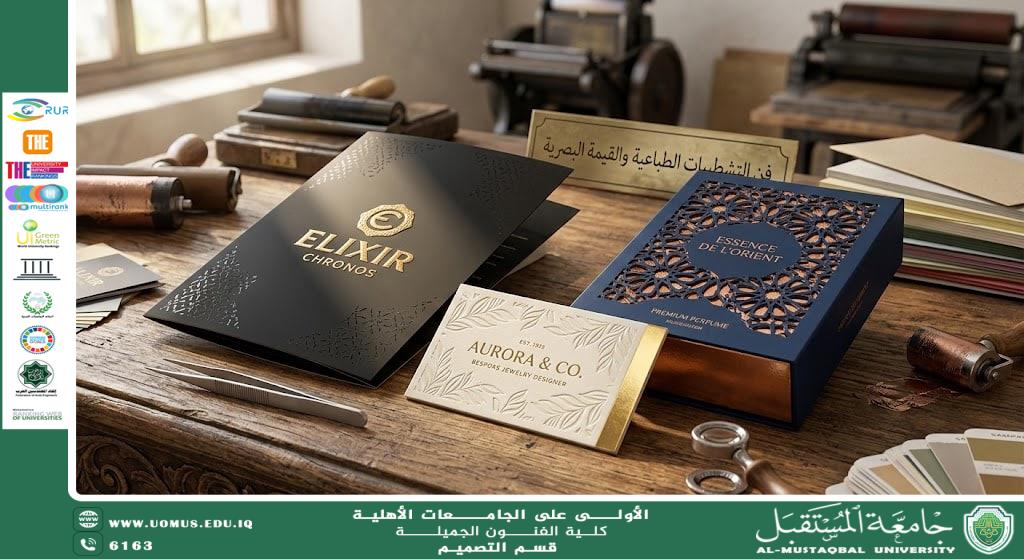
Final print finishes represent an important stage in the production of printed materials, adding a professional touch that makes the work more attractive and effective in delivering its visual message. This stage plays a key role in enhancing the visual value of the product by incorporating tactile and sensory elements that make the design more distinctive and impactful.
Some of the most important finishing techniques used in printing include:
Lamination: Protects the print from wear and moisture, increasing its durability and lifespan.
Embossing: Adds a three-dimensional texture, enhancing key design elements and providing a tactile dimension.
Foil Stamping: Adds a luxurious shine, highlighting essential details and enhancing visual appeal.
Die Cutting: Allows for creative and non-traditional shapes, making the work more unique and engaging.
These techniques help elevate the quality of the final product and enhance the viewer’s visual impression. They transform printed materials from a simple information medium into a rich visual and tactile experience. Print finishes also increase audience interaction with the content and improve the design’s ability to capture attention and communicate messages effectively.
In summary, final print finishes are an essential tool in the printing industry, enhancing the aesthetic value of the product and leaving a distinctive impression on the audience, contributing to the success of the work in marketing, artistic, or educational contexts.
Almustaqbal University, The First University in Iraq.