Insurance Coverage for a Private Car Insurance Policy
Prepared by: Assistant Lecturer Hameed Jassim Alwan
Department of Business Administration
The private car insurance policy is considered one of the important policies provided by insurance companies to policyholders who own vehicles. This policy provides insurance protection for vehicle owners against various accidents that may affect their vehicles while operating or traveling on public roads. This policy is also known as the Comprehensive Car Insurance Policy or the Supplementary Car Insurance Policy.
This type of insurance is optional rather than mandatory, as the insurance application is submitted by the legal owner of the vehicle. After the application is accepted, the policy is issued, under which the insurance company undertakes the following obligations:
• The insurance company compensates the insured (the vehicle owner) for any loss or damage that affects the car and its accessories due to:
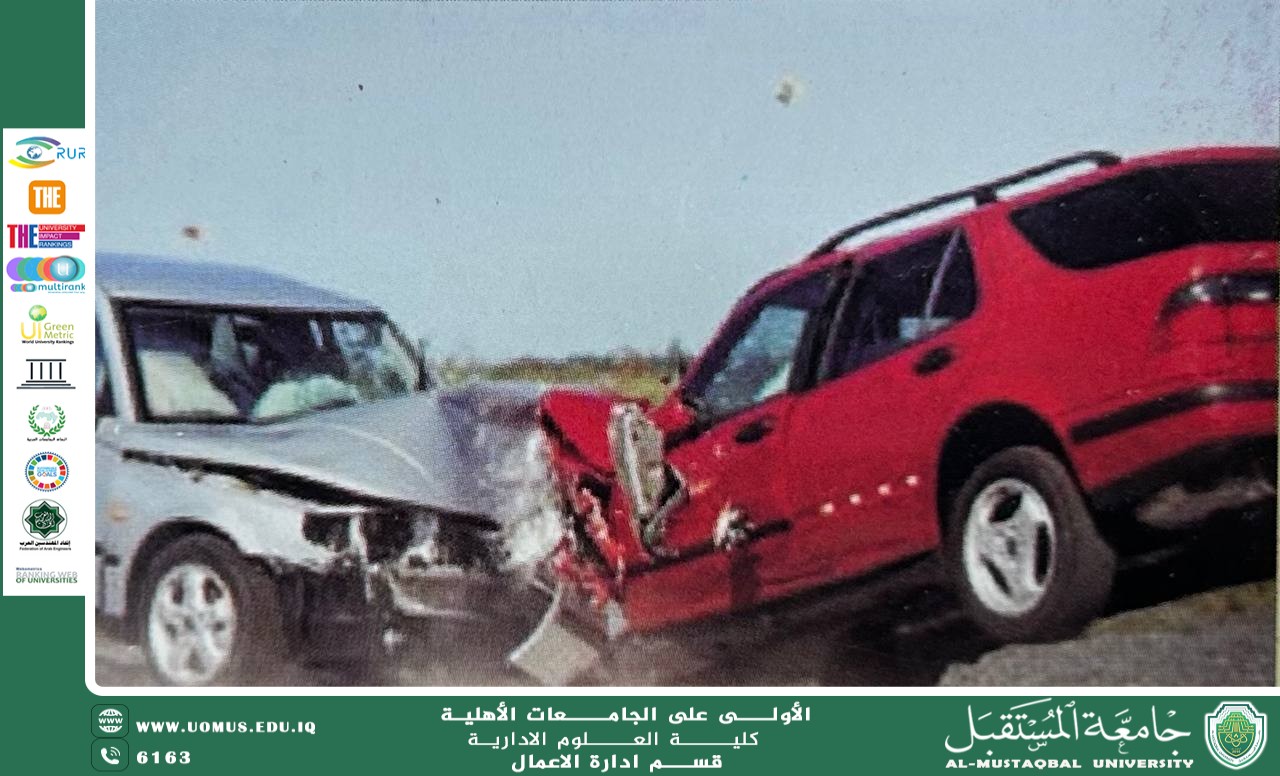
• Collision or accidental overturning, as well as overturning or collision resulting from a mechanical failure or due to wear and tear.
• Fire, external explosion, spontaneous combustion, lightning, robbery, or theft.
• Intentional harmful acts committed by a party other than the insured.
• Damage occurring during transportation, shipping, or unloading through land transport, railways, waterways, elevators, or lifting machinery.
• Collision of parts of the vehicle with the vehicle itself.
The insurance company has the option to pay the amount of loss or damage in cash, repair the damaged parts, restore the vehicle or any of its parts, accessories, or spare tools to their previous condition, or replace the damaged parts with new ones after adding the appropriate installation costs.
Thirdly, the value of the vehicle estimated by the insured represents the insured amount of the car. This value is determined either according to the purchase price or the current market value of the vehicle. This amount is considered the maximum limit of the insurance company’s liability in compensating the insured in the case of a total loss.
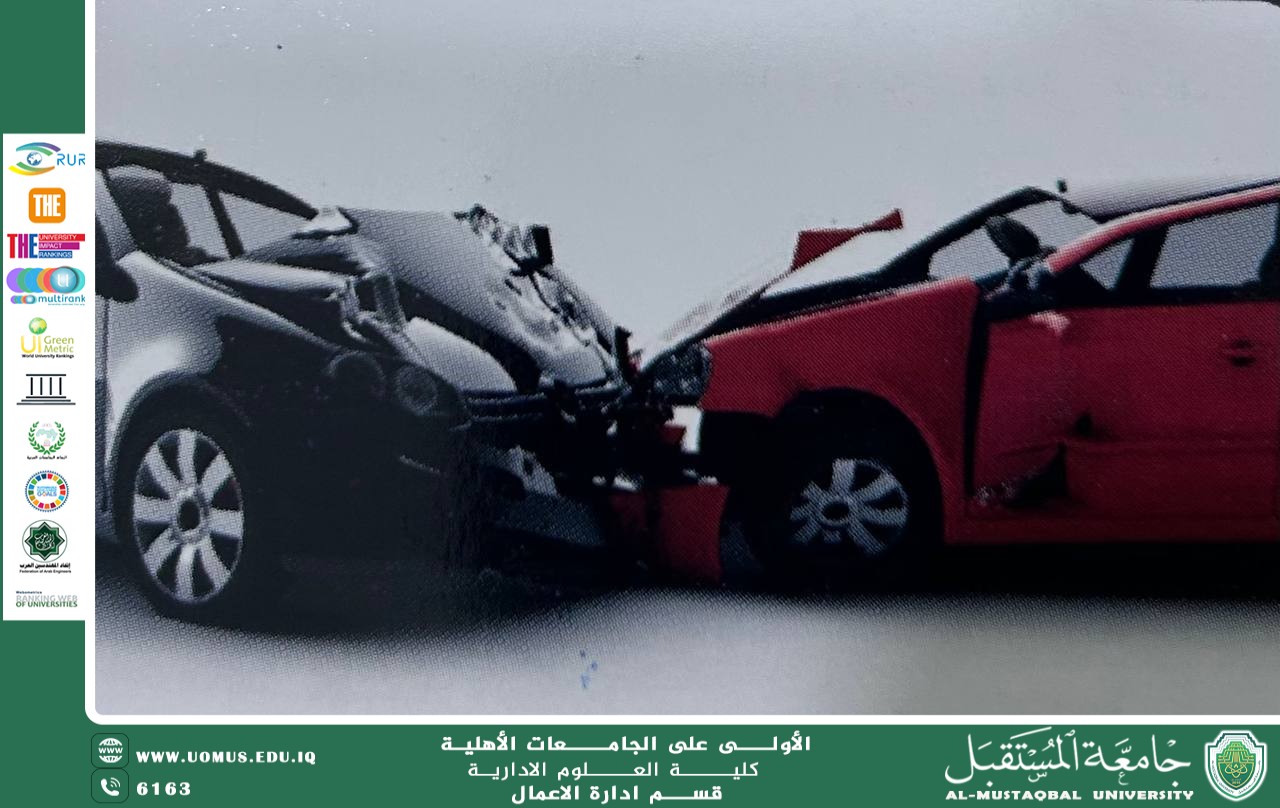
One of the advantages of this policy is that it also covers civil liability toward third parties for damages caused to the property of others by the insured vehicle. For example, if the insured vehicle collides with another vehicle and the insured vehicle is found to be at fault for the accident, the policy covers the resulting liability.