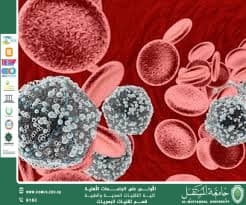
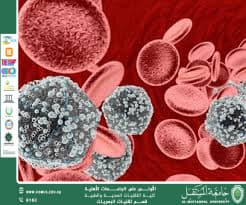
A Scientific Article by Lecturer Tamara Nihad Abbas Entitled: AIDS
AIDS (Acquired Immunodeficiency Syndrome) is one of the serious viral diseases that affects the human immune system. It is caused by the Human Immunodeficiency Virus (HIV), which attacks immune cells responsible for protecting the body from infections and diseases, gradually weakening the body’s ability to resist various illnesses.
HIV is transmitted through several main routes, including unprotected sexual contact with an infected person, transfusion of contaminated blood, use of contaminated needles or sharp instruments, and from an infected mother to her child during pregnancy, childbirth, or breastfeeding. The virus is not transmitted through normal daily contact such as shaking hands, sharing food, or hugging.
HIV infection passes through several stages. In the early stage, symptoms similar to influenza may appear, such as fever, fatigue, and swollen lymph nodes. The virus then enters a latent stage that may last for years without clear symptoms, but it continues to gradually weaken the immune system. When the disease reaches the advanced stage, it is called AIDS, where the body becomes vulnerable to opportunistic infections and cancers.
There is currently no definitive cure that completely eliminates the virus, but modern treatments known as Antiretroviral Therapy (ART) help control the virus and reduce its replication in the body, enabling infected individuals to live relatively normal lives and reducing the risk of transmission to others.
Prevention is considered the most important method of controlling AIDS and includes health awareness, early testing, using protection methods during sexual relations, ensuring the safety of donated blood, and avoiding sharing sharp instruments such as needles. Health education programs also play an important role in reducing social stigma associated with the disease and encouraging people to undergo necessary testing.
In conclusion, AIDS represents a global health challenge that requires cooperation between health institutions, governments, and society to spread awareness and enhance prevention and treatment, contributing to reducing the spread of the disease and improving the quality of life of patients.
University of Al-Mustaqbal – The First and Leading Private University