A Scientific Article by Dr. Suja Latif Salman Entitled ( Iron Deficiency in Femeles )
Iron Deficiency in Females
Iron (Fe) is an essential trace element crucial for multiple physiological functions, including hemoglobin (Hb) synthesis for oxygen transport, energy metabolism, and immune system function. Iron deficiency (ID) is the most common micronutrient deficiency worldwide, particularly affecting females of reproductive age due to physiological, dietary, and pathological factors.
Causes of Iron Deficiency in Females
1. Menorrhagia (Heavy Menstrual Bleeding):
Excessive menstrual blood loss leads to depletion of the body's iron stores.
2. Pregnancy and Lactation:
Increased iron requirements during pregnancy are necessary for fetal hemoglobin synthesis and expansion of maternal blood volume. Failure to meet these needs can result in iron-deficiency anemia (IDA).
3. Nutritional Deficiency:
Inadequate intake of heme iron (from animal sources) or non-heme iron (from plant sources) contributes to deficiency.
4. Malabsorption Syndromes:
Conditions such as celiac disease or inflammatory bowel disease (IBD) impair intestinal iron absorption.
5. Chronic Blood Loss:
Gastrointestinal bleeding from peptic ulcer disease, intestinal tumors, or other sources can gradually deplete iron stores.
Clinical Manifestations
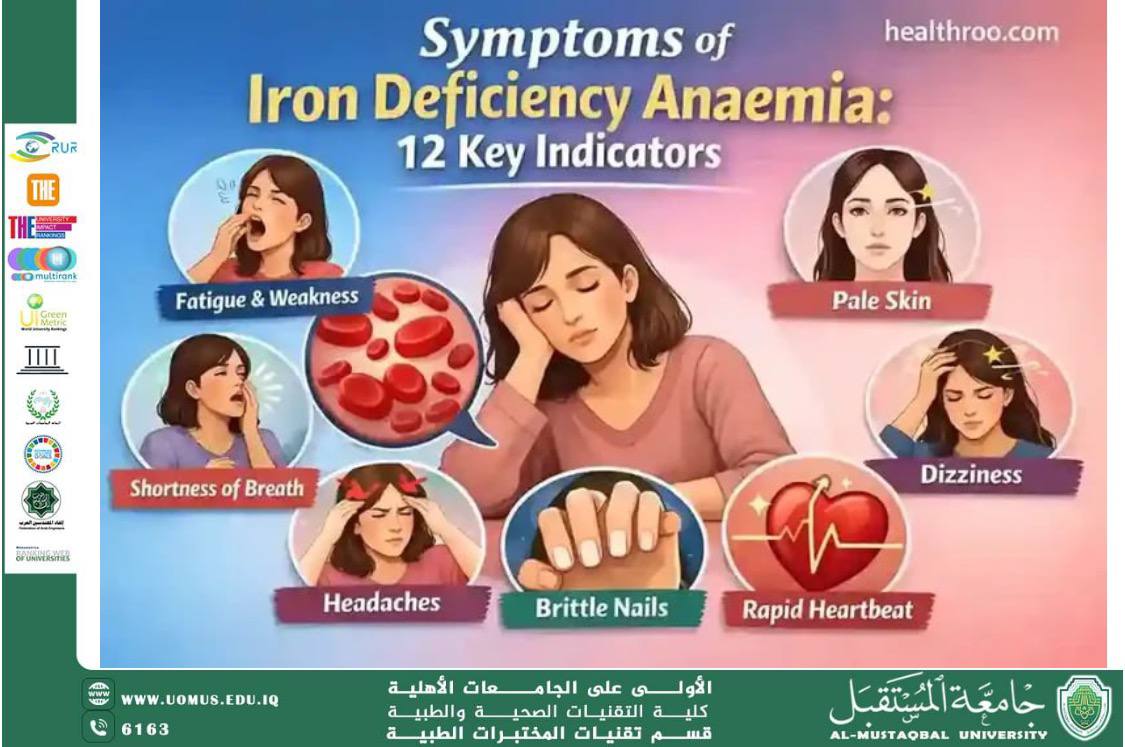
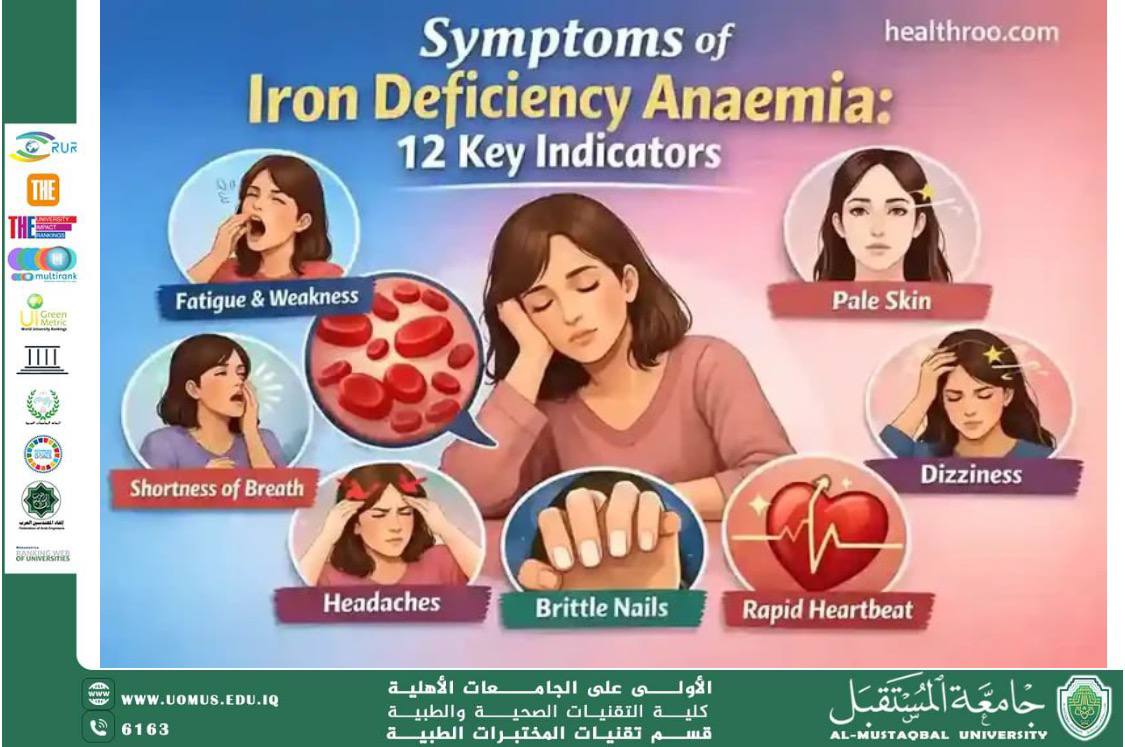
Iron deficiency may initially be asymptomatic, but as the deficiency progresses to iron-deficiency anemia (IDA), common signs and symptoms include:
• Fatigue and generalized weakness
• Dizziness and headache
• Pallor of skin and mucous membranes
• Exertional dyspnea (shortness of breath with activity)
• Hair loss and brittle nails (koilonychia)
• Pica (craving for non-nutritive substances such as ice or dirt)
Diagnosis
Diagnosis relies on clinical assessment and laboratory investigations:
1. Laboratory Tests:
o Hemoglobin (Hb): Low levels indicate anemia.
o Hematocrit (Hct): Measures the proportion of red blood cells.
o Serum Ferritin: Reflects iron stores.
o Serum Iron, Total Iron-Binding Capacity (TIBC), and Transferrin Saturation.
2. Clinical Examination:
o Observation of pallor, nail changes, and other anemia-related signs.
Management
Treatment depends on severity and underlying cause:
1. Oral Iron Supplementation:
o Ferrous salts such as ferrous sulfate or ferrous gluconate are administered, often with food to reduce gastrointestinal side effects.
2. Dietary Intervention:
o Iron-rich foods: red meat, liver, poultry, fish, lentils, beans, spinach, and fortified cereals.
o Enhancing absorption with vitamin C (ascorbic acid).
3. Treatment of Underlying Causes:
o Managing chronic blood loss, gastrointestinal disorders, or malabsorption.
4. Intravenous Iron Therapy:
o Indicated in severe cases or when oral iron is not tolerated or ineffective.
Prevention
• Balanced diet rich in iron.
• Iron supplementation during pregnancy under medical supervision.
• Regular screening in women at high risk of iron deficiency or chronic blood loss.
Iron deficiency is highly prevalent among females, especially of reproductive age, and can lead to iron-deficiency anemia (IDA) and other health complications if untreated. Early diagnosis, appropriate management, and preventive measures—including nutrition optimization and supplementation—are essential to maintain female health and quality of life.
Al-Mustaqbal University is the first university in Iraq
Department of Medical Laboratory Techniques – First in the Iraqi National Ranking.