The Role of Law in Protecting Young Artists
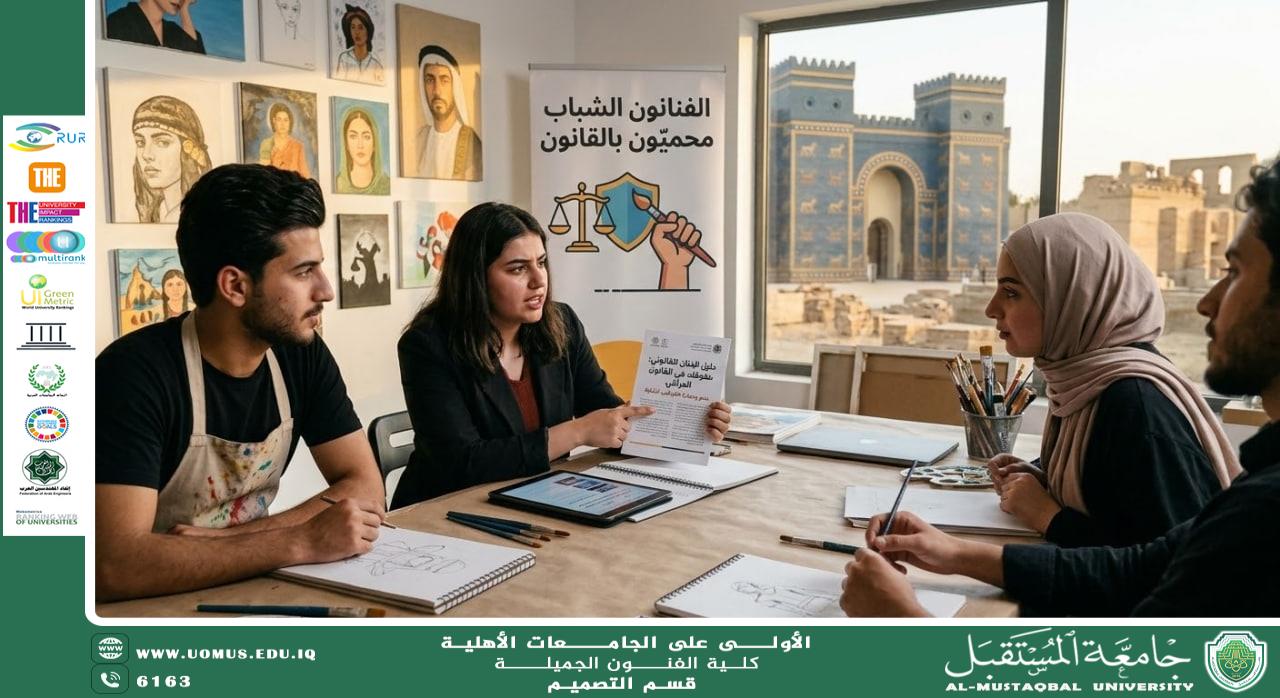
Art is considered one of the most important forms of cultural and creative expression in societies. Young artists play a significant role in developing artistic movements and enriching the cultural scene with new ideas and innovative styles. As the role of the arts in shaping cultural identity and raising social awareness continues to grow, the importance of having a legal framework that protects the rights of young artists and provides them with a safe environment for creativity and development becomes increasingly evident.
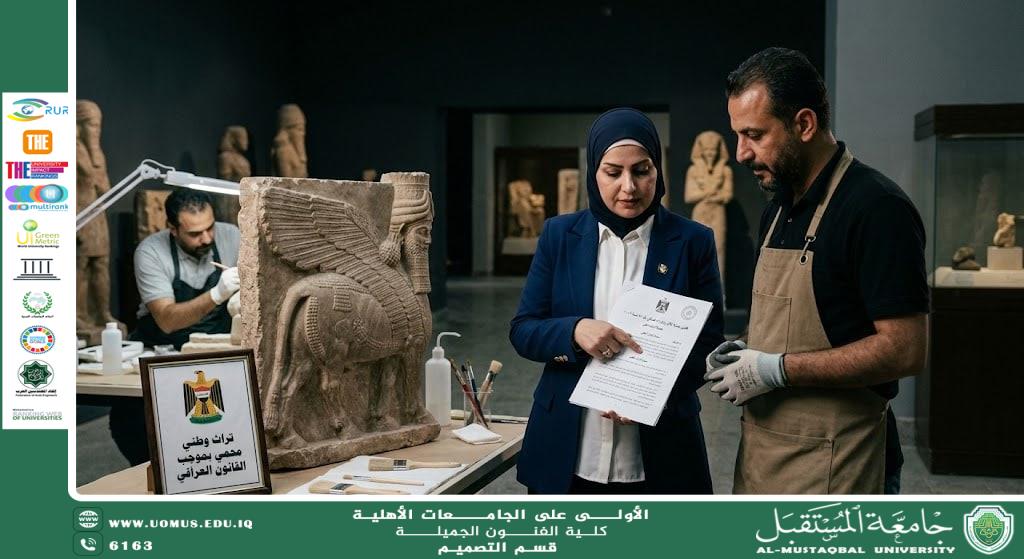
Law plays a fundamental role in protecting young artists by ensuring intellectual property rights for their artistic works. Copyright and authorship laws grant artists the exclusive right to use, publish, or display their works and prevent others from exploiting or reproducing them without legal permission. This legal protection is an essential factor in encouraging young artists to innovate and produce artistic work without fear of theft or misuse of their ideas.
In addition, the law helps regulate the relationship between artists and artistic or cultural institutions that display their work, such as art galleries, exhibition halls, and cultural organizations. Legal contracts ensure the rights of both parties and define the mechanisms for displaying and marketing artworks, as well as regulating financial rights related to the sale or use of artistic works in various media.
Furthermore, the law contributes to protecting young artists from exploitation or marginalization by establishing regulations that guarantee freedom of artistic expression within the legal and cultural frameworks of society. Some cultural policies and legal regulations also support artistic activities and provide opportunities for participation in exhibitions, festivals, and cultural programs that help young artists develop their skills and build their professional careers.
Academic institutions and art universities also play an important role in raising awareness among young artists about the legal aspects related to artistic production, such as intellectual property rights and methods of legally registering and protecting artworks. This legal knowledge enables artists to defend their rights and strengthen their presence in the artistic field.
With the rapid digital transformation and the spread of online platforms where artworks are displayed, legal protection has become more important than ever. Law helps protect young artists from digital piracy and unauthorized use of their works on the internet, ensuring the continuity of artistic creativity and strengthening the role of art in building a culturally aware society.
Almustaqbal University, The First University in Iraq.