Banking Sector Reform in Iraq and its Role in Achieving Financial Stability
The banking sector is considered one of the most important pillars on which the economy of any country is based, as it plays a vital role in regulating financial activity and directing savings toward investment and development. In Iraq, reforming the banking sector has gained great importance due to the economic challenges the country has faced over the past decades, making the development of the banking system an essential necessity for achieving financial stability and promoting economic growth.
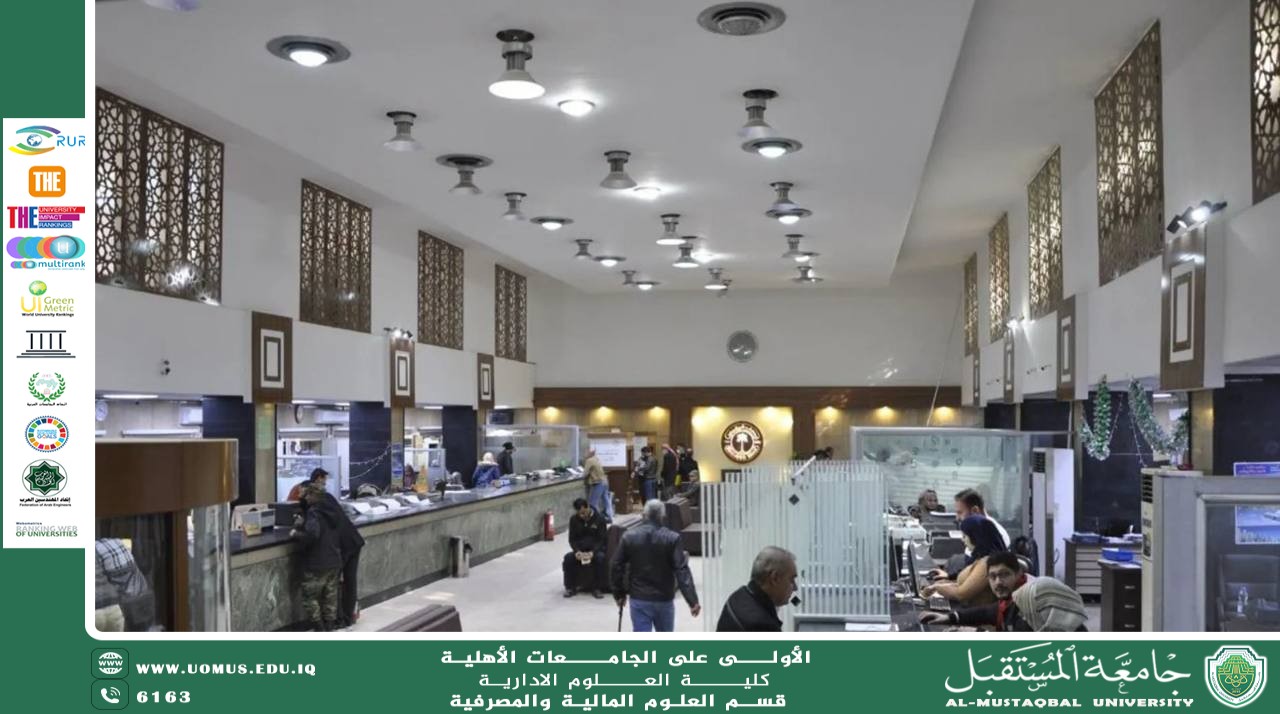
The Iraqi banking sector suffers from a number of challenges, most notably the weakness of banking infrastructure and the heavy reliance on cash transactions instead of electronic systems, in addition to the limited banking services provided to citizens and companies. Moreover, the dominance of government banks over the majority of banking activity has reduced opportunities for competition and development, along with the weak trust of some citizens in banks as a result of previous financial crises.
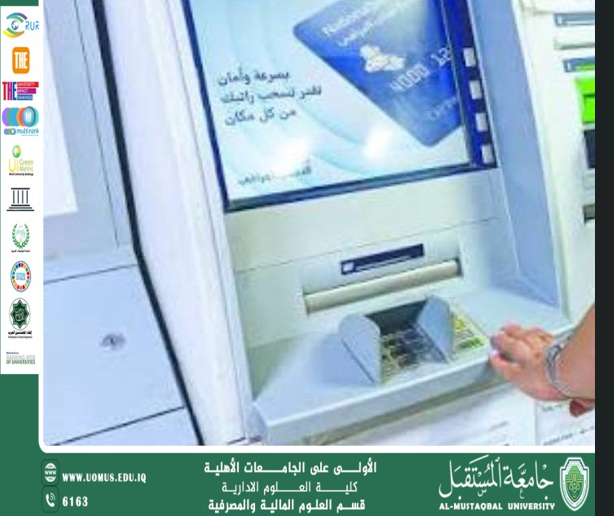
In order to reform this sector, the Iraqi government, in cooperation with the Central Bank of Iraq, has taken several reform measures, such as modernizing banking systems, strengthening supervision over banks, and encouraging the use of electronic payments instead of cash. Efforts are also being made to develop financial and banking legislation in line with international standards, which contributes to enhancing transparency and reducing financial risks.
Banking sector reform also plays an important role in achieving financial stability by improving banks’ ability to manage liquidity and credit, as well as increasing financing for small and medium-sized enterprises. This contributes to creating job opportunities and stimulating the economy. In addition, the development of electronic banking services facilitates payment and transfer operations and enhances financial inclusion, enabling a larger number of citizens to benefit from financial services