Scientific Article By: Teaching Assistant M.Sc. Istabraq Aref Mohammed Title: Chemistry and Energy in Daily Life
Chemistry plays a pivotal role in our daily lives, especially in the field of energy. Energy is a fundamental requirement of modern life, and most energy sources rely on chemical reactions that convert raw materials into heat, electricity, or mechanical motion. Understanding chemistry allows the development of more efficient, safer, and environmentally friendly ways to produce and use energy in homes, industries, and transportation.
Forms of Chemical Energy
Chemical energy comes in various forms commonly used in daily life:
Thermal energy: Produced from burning fuels such as natural gas, coal, and petroleum to provide heat for cooking, heating, and industrial applications.
Electrical energy: Batteries and electrochemical cells convert chemical energy into electricity used in devices, mobile phones, and electric vehicles.
Stored chemical energy: Includes biofuels, hydrogen, and chemical compounds in solar cells that convert sunlight into electrical energy.
Applications of Chemistry in Energy
Conventional fuels: Chemical reactions during combustion release energy, and chemistry improves efficiency while reducing harmful emissions.
Batteries and electrochemical cells: Chemistry designs battery components to maximize storage capacity and ensure safety for household and industrial use.
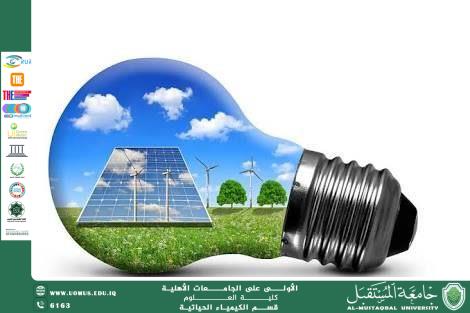
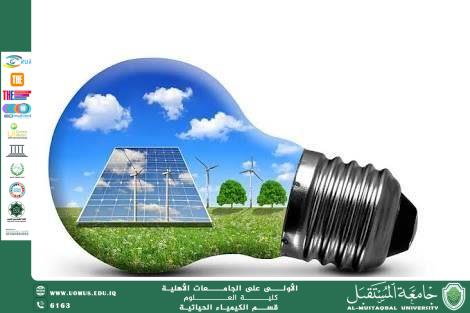
Solar energy: Chemical processes in solar cells convert light into clean electricity efficiently.
Bioenergy: Organic materials and plants are chemically converted into thermal or electrical energy.
Green chemistry: Focuses on producing energy sustainably, including reusable batteries and methods that minimize emissions from conventional fuels.
Importance of Chemistry in Energy Production
Efficiency: Understanding chemical reactions maximizes energy conversion and reduces waste.
Environmental protection: Clean alternatives like biofuels and solar energy reduce pollution from coal and petroleum.
Safety: Chemistry helps design energy systems that minimize risks, such as chemical leaks or explosions.
Chemistry and Sustainable Energy
Chemistry plays a central role in sustainability:
Developing renewable energy sources that do not deplete natural resources.
Using chemical energy storage techniques, such as advanced batteries and hydrogen fuel cells, to ensure energy availability.
Employing nanomaterials to improve solar cell efficiency and reduce energy losses.
Conclusion
Chemistry is vital in daily life, providing the scientific foundation for producing and using energy efficiently and safely. Understanding chemical reactions allows improved energy production, reduced environmental pollution, and conservation of natural resources for future generations. Chemistry is not only a theoretical science but also a practical tool that enables humanity to achieve technological advancement and sustainable energy development.
Al-Mustaqbal University – First among Iraqi private universities.