Essential Periodic Clinical Assessments for Bodybuilding Gym Attendees and Their Health Significance
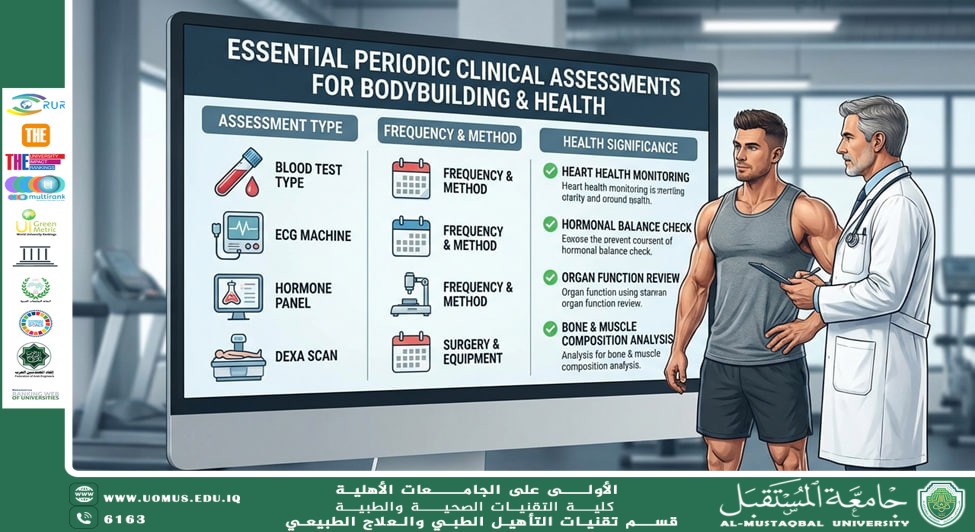
Bodybuilding gyms have witnessed a growing participation across various age groups, driven by the pursuit of improved physical fitness and increased muscle mass. However, unregulated high-intensity training, excessive use of dietary supplements, or unsupervised administration of anabolic agents may predispose individuals to significant health risks. In this context, periodic clinical and laboratory assessments represent a fundamental preventive strategy for the early detection of physiological imbalances and the prevention of potential complications. This article outlines the essential medical investigations recommended for individuals engaged in bodybuilding activities, highlighting their clinical relevance and preventive value. Bodybuilding training programs are characterized by intense physical exertion aimed at enhancing muscular strength and hypertrophy, often accompanied by dietary modifications and the consumption of protein supplements or performance-enhancing substances. While regular physical activity confers substantial health benefits, excessive physical stress and unsafe practices may lead to musculoskeletal, renal, hepatic, and cardiovascular disturbances. Therefore, routine medical evaluation is imperative to ensure athlete safety and maintain optimal physiological function. A complete blood count (CBC) is a fundamental investigation for evaluating overall health status. It aids in detecting anemia, inflammatory conditions, and platelet abnormalities, which may be influenced by intense training regimens or inadequate nutritional intake. Liver function tests, including alanine aminotransferase (ALT), aspartate aminotransferase (AST), alkaline phosphatase (ALP), and bilirubin, are essential for assessing hepatocellular integrity. These assessments are particularly relevant for individuals consuming dietary supplements or pharmacological agents that may induce hepatic stress or toxicity. Assessment of renal function through serum urea, creatinine, and estimation of glomerular filtration rate (eGFR) is recommended, especially in individuals with high protein intake or those using supplements that may impose additional renal workload. Hormonal evaluations, including testosterone, cortisol, and thyroid hormones (TSH, free T3, free T4), are critical for assessing endocrine balance. Hormonal dysregulation may indicate overtraining syndrome or non-medical use of anabolic-androgenic steroids. Measurement of total cholesterol, high-density lipoprotein (HDL), low-density lipoprotein (LDL), triglycerides, fasting blood glucose, and glycated hemoglobin (HbA1c) is essential for evaluating metabolic status and cardiovascular risk. Periodic electrocardiography (ECG) is advised, particularly for individuals engaged in high-intensity physical training, to detect arrhythmias or exercise-induced cardiac adaptations that may carry clinical significance. Evaluation of serum vitamin D, calcium, magnesium, and iron levels is crucial for maintaining musculoskeletal health, preventing muscle cramps, and reducing the risk of chronic fatigue and impaired performance. Regular clinical and laboratory evaluations facilitate early identification of health abnormalities, enabling timely modification of training protocols and nutritional strategies in accordance with individual physiological needs. Moreover, they contribute to minimizing long-term health risks and promoting safe, sustainable participation in bodybuilding activities. Periodic clinical and laboratory assessments constitute a cornerstone of preventive healthcare for bodybuilding gym attendees. When conducted under appropriate medical supervision, these evaluations ensure a balance between achieving athletic goals and preserving the integrity of vital organ systems. Integrating routine medical screening into fitness practices is essential for safeguarding long-term health and optimizing athletic performance.
Al-Mustaqbal University, the first university in Iraq.