Understanding Liver Function Tests Through Biochemistry: A Guide to Interpreting Hepatic Biomarkers
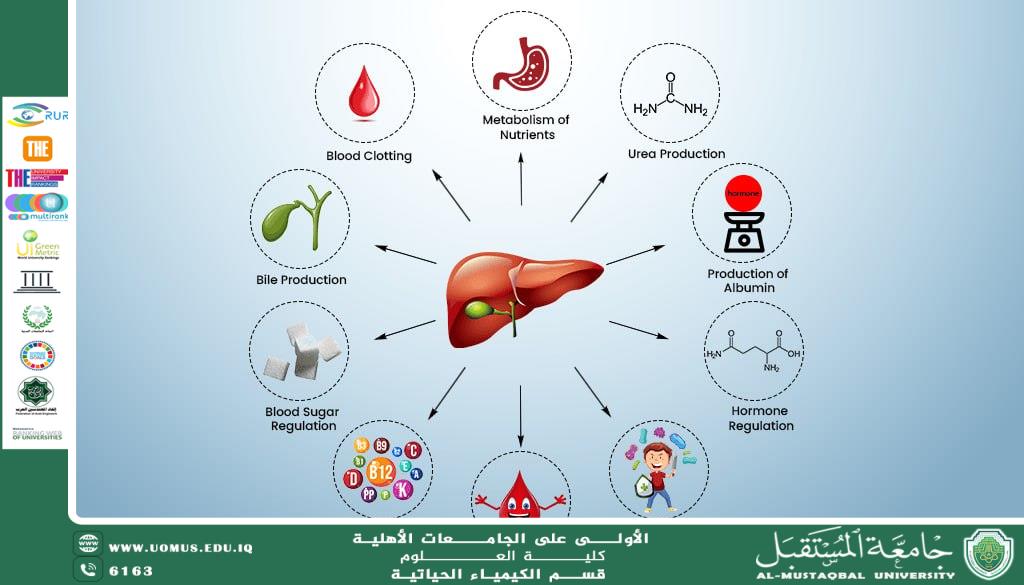
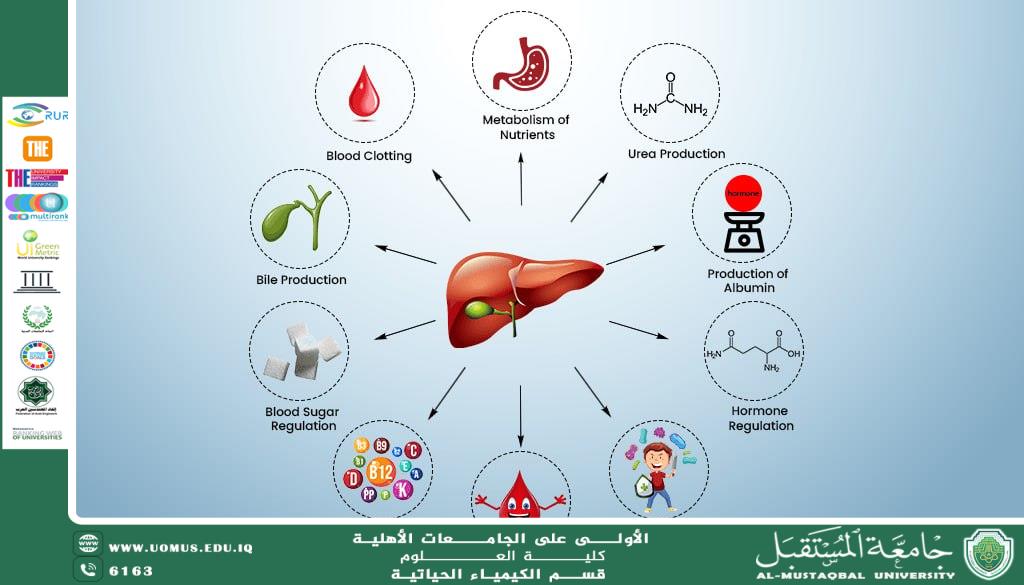
The liver plays a vital role in maintaining metabolic balance within the human body. From detoxification to nutrient metabolism and protein synthesis, the liver’s biochemical activities are essential for survival. Because of this central role, evaluating liver health often involves biochemical blood tests known as Liver Function Tests (LFTs).
Understanding these tests requires knowledge of the biochemical processes occurring inside hepatocytes.
Aminotransferases and Cellular Integrity
Among the most common liver biomarkers are ALT and AST. These enzymes catalyze transamination reactions that are essential for amino acid metabolism.
When hepatocytes are damaged by infection, toxins, or metabolic disorders, their membranes lose integrity, allowing these intracellular enzymes to escape into the bloodstream. As a result, elevated ALT and AST levels signal hepatocellular injury.
Interestingly, the AST/ALT ratio may provide diagnostic clues. For example, a higher AST relative to ALT is sometimes associated with alcoholic liver disease.
Indicators of Bile Flow
The liver produces bile, which is essential for lipid digestion. Biochemical markers such as ALP and GGT help evaluate bile production and flow.
In cases where bile ducts are obstructed or inflamed, these enzymes increase in the blood due to increased synthesis and leakage from biliary cells.
Bilirubin as a Metabolic Marker
Bilirubin reflects the liver’s ability to process waste products from hemoglobin breakdown. After being transported to the liver, bilirubin undergoes conjugation and excretion.
Elevated bilirubin levels may manifest clinically as jaundice, a yellow discoloration of the skin and eyes. From a biochemical perspective, bilirubin measurement helps identify whether the underlying problem is related to hemolysis, hepatocellular dysfunction, or biliary obstruction.
Plasma Proteins and Synthetic Function
Unlike many other organs, the liver synthesizes a wide range of plasma proteins. Albumin, the most abundant plasma protein, maintains osmotic pressure and transports various molecules.
A decline in albumin levels often indicates chronic liver disease, reflecting reduced protein synthesis capacity.
Biochemical Integration in Diagnosis
Rather than relying on a single parameter, clinicians interpret liver function tests collectively. Patterns of enzyme elevation, bilirubin concentration, and protein levels provide a comprehensive biochemical profile of liver health.
From a biochemical perspective, liver function tests reveal the metabolic status of one of the body’s most important organs. Understanding the molecular basis of these biomarkers allows clinicians and researchers to better interpret laboratory results, diagnose liver disorders, and monitor disease progression.