A Scientific Article by Lecturer M.M. Istabraq Arif Mohammed, entitled "The Impact of Climate Change on the Environment and Human Health"
Introduction
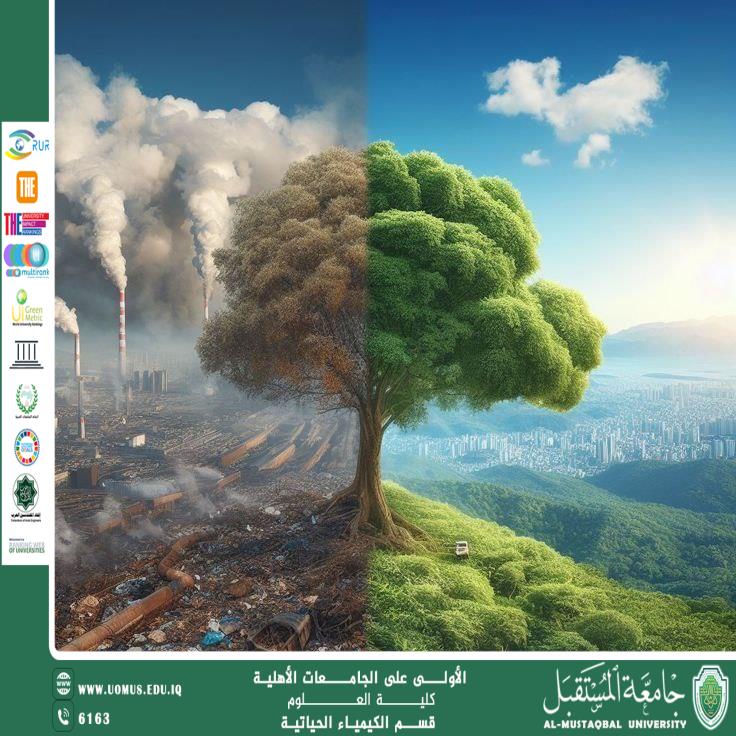
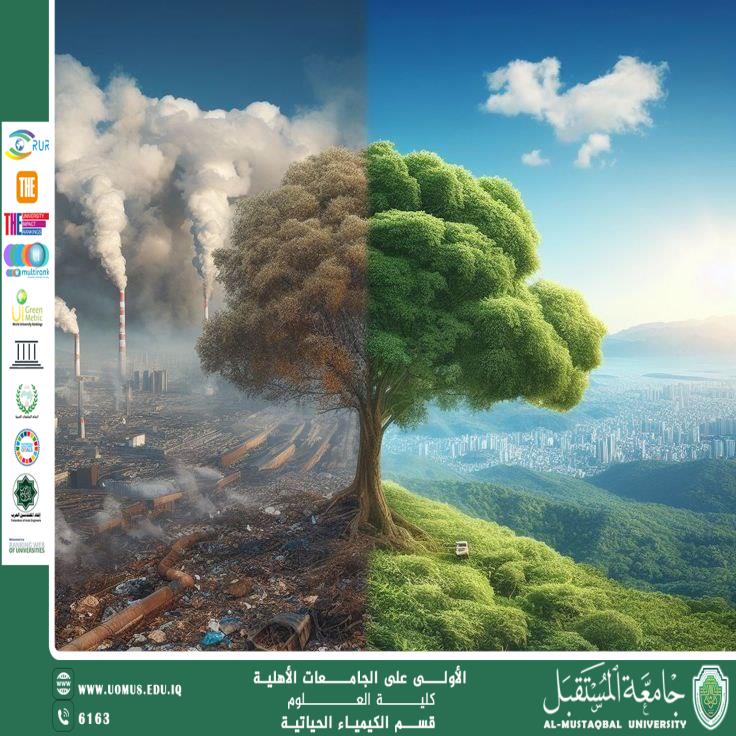
Climate change is one of the most prominent challenges facing the world in the 21st century, directly impacting ecosystems, natural resources, and human health. Rising temperatures, changes in precipitation patterns, and an increase in extreme weather events lead to numerous environmental and health problems, necessitating sustainable solutions and integrated international efforts to mitigate their repercussions.
Introduction
Over the past few decades, the world has witnessed significant climate changes as a result of human activity, such as the burning of fossil fuels and deforestation, leading to increased greenhouse gas emissions. These changes significantly affect the natural environment, including biodiversity, water availability, and air quality, and consequently, human health and well-being.
Impact of Climate Change on the Environment
Rising Temperatures: Lead to the melting of glaciers and rising sea levels, threatening coastlines and low-lying areas and increasing the risk of flooding.
Changes in Precipitation Patterns: Droughts and floods lead to decreased agricultural production and land degradation, negatively impacting food security. Threat to Biodiversity: Climate change affects the natural habitats of animals and plants, increasing the risk of extinction for some species and weakening ecosystems.
Impact of Climate Change on Human Health
Infectious Diseases: Increased temperatures and humidity lead to the spread of insect-borne diseases, such as malaria and dengue fever.
Respiratory Problems: Air pollution and increased concentrations of harmful gases lead to higher rates of asthma and lung diseases.
Psychological and Social Stress: Natural disasters such as floods and cyclones cause displacement and loss of essential resources, leading to increased psychological and health stress.
Solutions and Recommendations
Promote the use of clean and renewable energy to reduce harmful emissions.
Adopt sustainable agricultural policies that conserve water resources and protect biodiversity.
Raise health and environmental awareness in communities about the risks of climate change.
Strengthen international cooperation to share expertise and technologies in addressing climate change.
Conclusion
Climate change poses a real threat to the environment and human health, requiring urgent action at the individual, institutional, and international levels. By adopting sustainable policies and raising environmental awareness, its impacts can be mitigated, and a more sustainable future can be achieved for generations to come. Al-Mustaqbal University is the leading private university in Iraq.