Exploring Artificial Intelligence in Medical Imaging: Enhancing Practical Knowledge for Radiologic Technology Students
Assistant Lecturer Haydar abdulkareem majeed
Artificial Intelligence (AI) is considered one of the most prominent
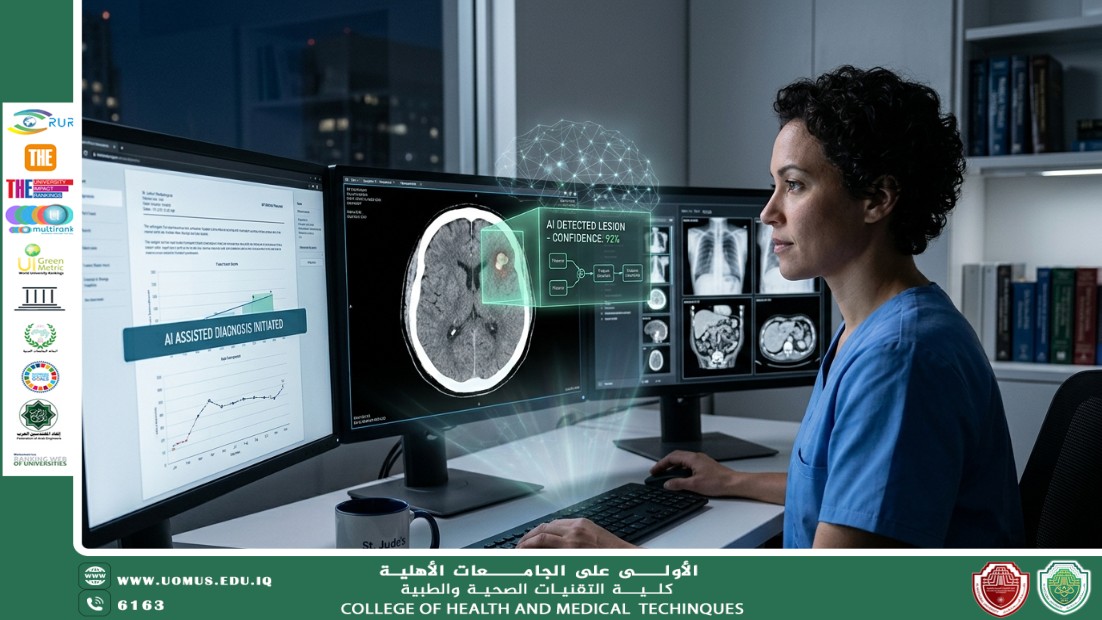
technological innovations that have brought a fundamental transformation to the field of medical imaging. Machine Learning and Deep Learning techniques have contributed significantly to developing methods for analyzing radiographic images and improving the accuracy of medical diagnosis. These technologies enable the processing of massive amounts of radiology data with speed and efficiency that surpass traditional human capabilities, thereby reducing diagnostic errors, accelerating clinical decision-making, and enhancing the accuracy of disease detection, whether common or rare.
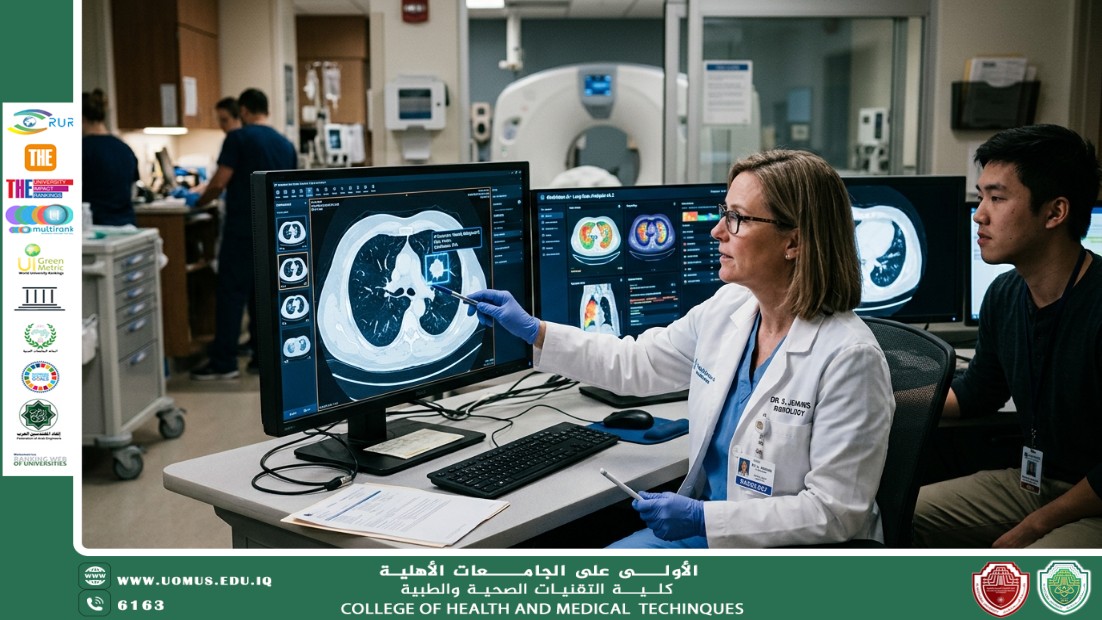
For students of Radiologic Technology, early exposure to AI in medical imaging provides a unique opportunity to develop practical skills and link them to the theoretical foundations acquired during academic study. Understanding how algorithms operate, analyzing results, and interpreting AI-processed radiographic images enables students to integrate these advanced technologies into their future professional practice. This early exposure also enhances critical thinking skills and equips students to evaluate automated analysis results and compare them with clinical observations, increasing their preparedness to face technical challenges in real-world clinical environments.
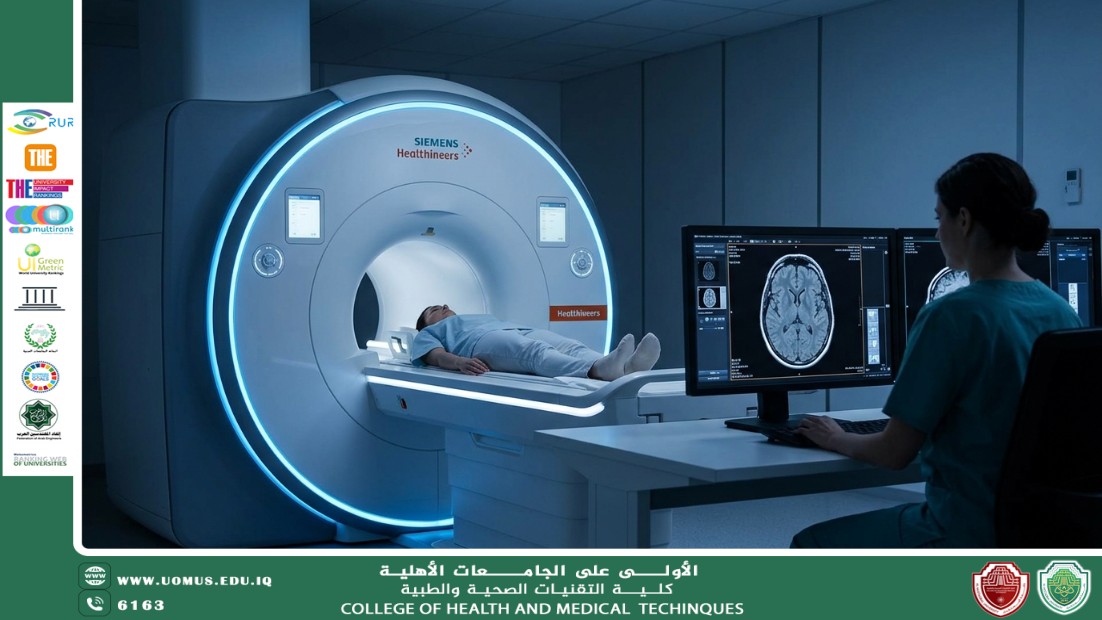
Applications of AI in medical imaging are diverse and include X-ray imaging, Computed Tomography (CT), Magnetic Resonance Imaging (MRI), and Ultrasound imaging. These technologies are also used to enhance image quality, correct noise and artifacts, improve fine detail resolution, and reduce the time required for examinations and analyses. Another key advantage is the ability to detect chronic diseases and emergency conditions at an early stage, contributing to faster and more accurate healthcare delivery while alleviating pressure on physicians and radiology specialists in hospitals and medical centers.
Beyond the technical aspect, exposure to AI fosters research and innovation skills among radiology students, allowing them to develop new technical solutions, improve radiographic analysis methods, or participate in advanced research projects related to intelligent medical diagnosis. It also enables them to keep pace with the accelerating digital transformation in the healthcare sector and provides a competitive advantage at both scientific and professional levels compared to peers at other universities.
Moreover, integrating AI into medical education enhances the interaction between theoretical knowledge and practical application, preparing students to navigate complex clinical environments that rely on advanced technology. This exposure allows them to understand how to utilize radiology data, employ smart analysis tools, and make evidence-based clinical decisions, ultimately improving healthcare quality and patient care.
In conclusion, exploring AI in medical imaging represents a strategic step toward preparing a new generation of radiologic technologists with a balanced combination of theoretical knowledge and practical skills. These professionals will be capable of effectively applying advanced technologies to support medical diagnosis and improve healthcare services. Incorporating this knowledge into academic curricula equips students to meet future developments in radiology and empowers them to innovate and contribute to the sustainable advancement of digital healthcare.