"The Role of Women in Promoting Security and Peace"
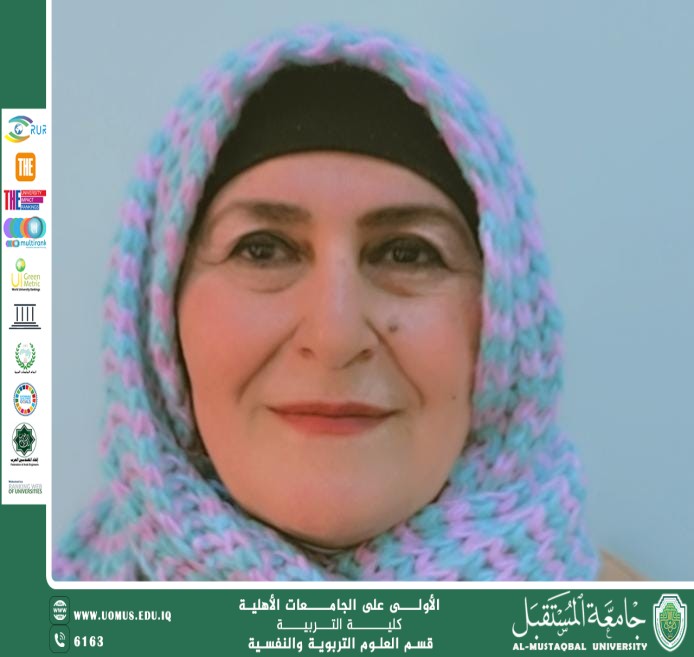
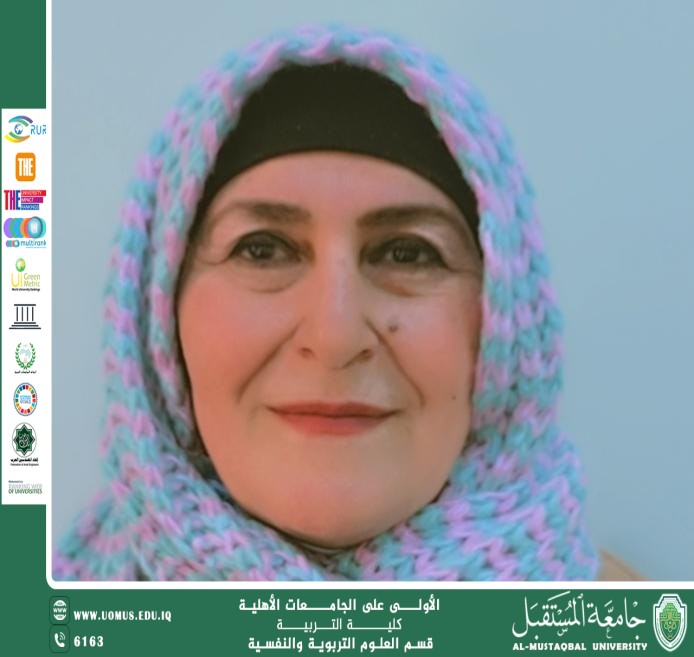
Prepared by: Prof. Dr. Thanaa Bahaa El-Din Abdullah
Women constitute half of society and play a vital and fundamental role in promoting security, stability, and peace, beginning with their presence within the family as mothers, wives, sisters, or daughters, and extending to the wider community. This makes their role deeper and more comprehensive.
True peace begins within societies themselves, and this is where women's role emerges as an essential and indispensable element in building this peace and strengthening security, not merely as recipients of its outcomes.
They are not only half of society, but also active partners in weaving its social fabric and raising future generations, which qualifies them to play pivotal roles in the field of security and peace. Their roles can be summarized as follows:
1. Peacemaker in the heart before the field: As the first teacher in the family, through raising her children, she instills in them the values of tolerance, dialogue, acceptance of others, and rejection of violence.
2. Community mediator and bridge of communication: She is a link between different families and groups, often leading grassroots initiatives for reconciliation, calming tensions, and bringing conflicting parties together around the negotiating table. 3. A voice for victims and a defender of rights, women often bear the brunt of violence, displacement, and the loss of their breadwinners. They strongly advocate for justice and accountability, ensuring that any peace agreement addresses the root causes of conflict and protects the rights of the most vulnerable.
4. An active participant in preventing extremism, women, as mothers, wives, and sisters, are on the front lines of monitoring any dangerous changes in the thinking of their family members or communities. They detect signs of violent extremism and work to prevent it through dialogue and awareness-raising within the family.
5. A partner in building stronger security institutions. Their presence in security institutions such as the police and military, and in the judiciary, makes these institutions closer to the community and more responsive to its needs.
Despite this vital role, women remain underrepresented in leadership positions and formal peace negotiations worldwide. They face cultural and social barriers, as well as a lack of funding and support.
Ultimately, empowering and including women is not just a matter of justice or equality; it is a strategic investment in a more secure and peaceful future for all humanity.
ِAL_Mustaqbal University… (is the first university in Iraq).