Corneal Diseases and Keratitis: Causes, Symptoms, and Treatment
Introduction
The cornea is one of the most important parts of the eye. It is the transparent front layer that allows light to enter and focuses it onto the retina. Any damage to the cornea can lead to visual impairment or even blindness in severe cases. Therefore, corneal diseases and inflammation are critical topics in ophthalmology.
Structure and Function of the Cornea
The cornea is a transparent tissue covering the front of the eye. It plays a major role in refracting light and ensuring clear vision. It also acts as a protective barrier against dust, microorganisms, and external عوامل.
Common Corneal Diseases
Some of the most common corneal conditions include:
• Keratoconus: A progressive thinning of the cornea that causes it to bulge into a مخروط shape, leading to blurred vision.
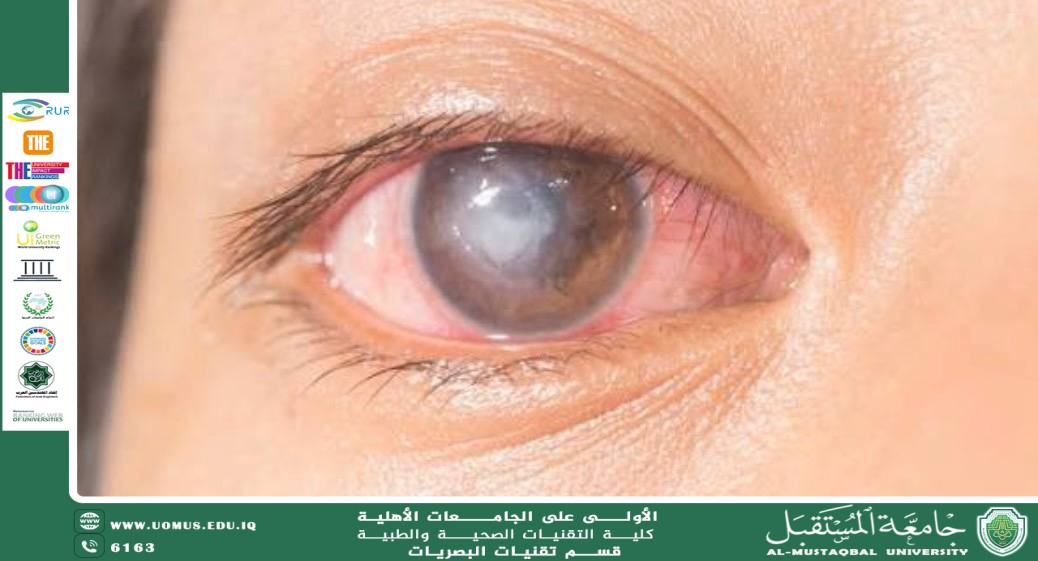
• Corneal Opacity: Loss of transparency due to injury or infection.
• Dry Cornea (Dry Eye Syndrome): Caused by reduced tear production, leading to irritation and discomfort.
Keratitis (Corneal Inflammation)
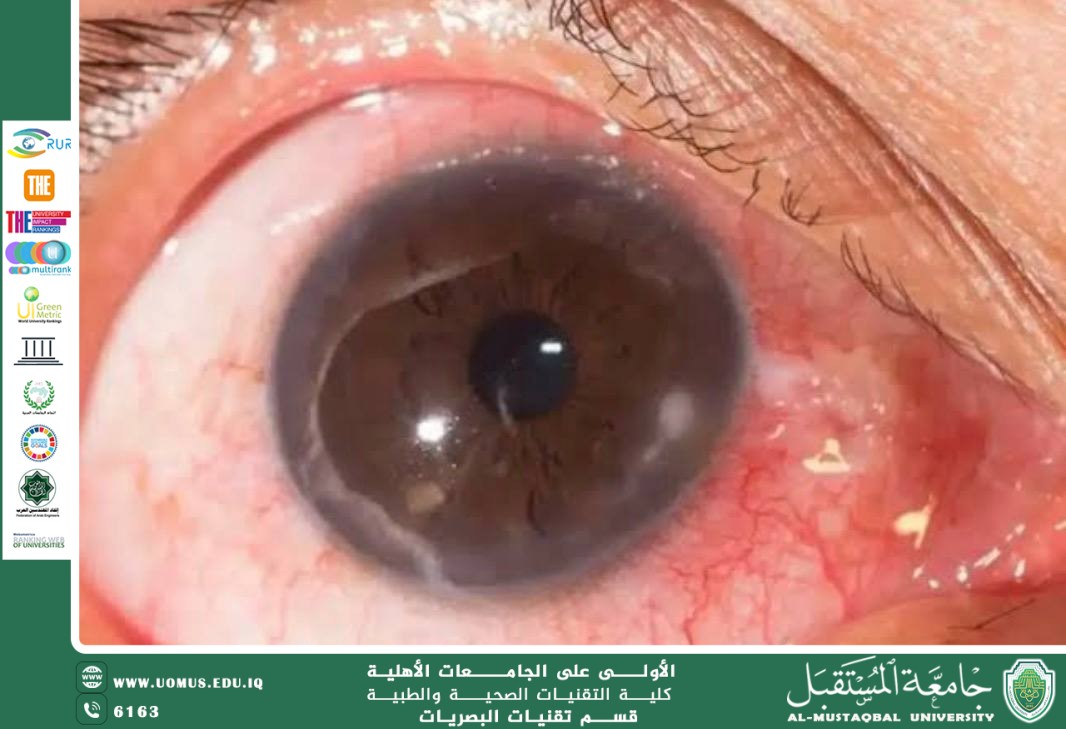
Keratitis refers to inflammation of the cornea and can be classified into:
• Bacterial keratitis
• Viral keratitis (e.g., herpes simplex virus)
• Fungal keratitis
• Parasitic keratitis (e.g., Acanthamoeba)
Symptoms
Common symptoms include:
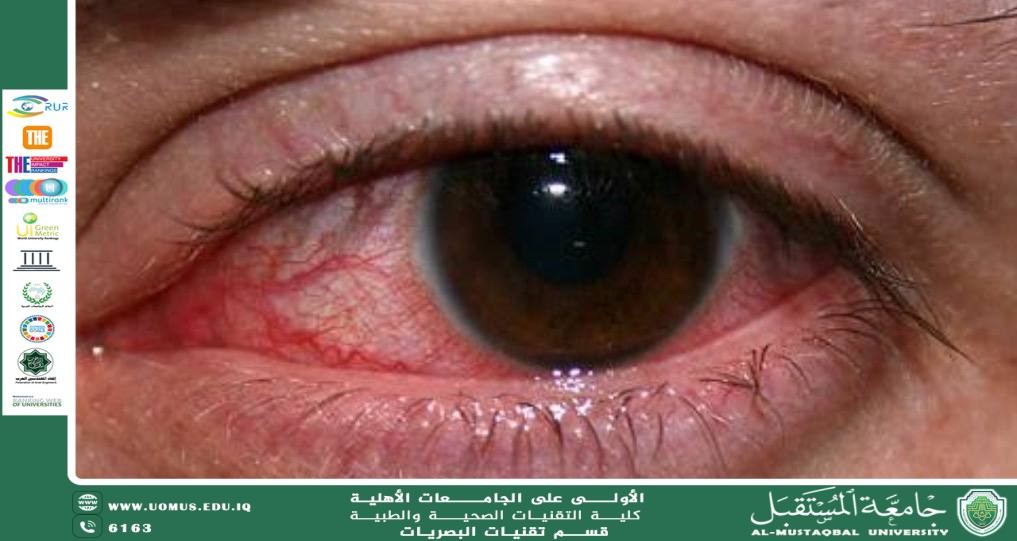
• Redness of the eye
• Severe pain
• Sensitivity to light
• Blurred or decreased vision
• Eye discharge
Causes and Risk Factors
• Improper use of contact lenses
• Eye injuries
• Weak immune system
• Environmental pollution
Diagnosis
Diagnosis is performed through:
• Slit-lamp examination
• Laboratory tests
• Vision assessment
Treatment
Treatment depends on the underlying cause and may include:
• Antibiotics for bacterial infections
• Antiviral medications
• Antifungal drugs
• In advanced cases, corneal transplantation may be required
Prevention
• Proper hygiene of contact lenses
• Avoid touching the eyes with unclean hands
• Use protective eyewear
• Regular eye examinations
Ms. Reham Safaa Najm