Scientific Article: Mental Health in the Digital Age: The Impact of Social Media on Anxiety and Depression (Asst. Lec. Aya Mohammed Hussein Mohammed Ali)
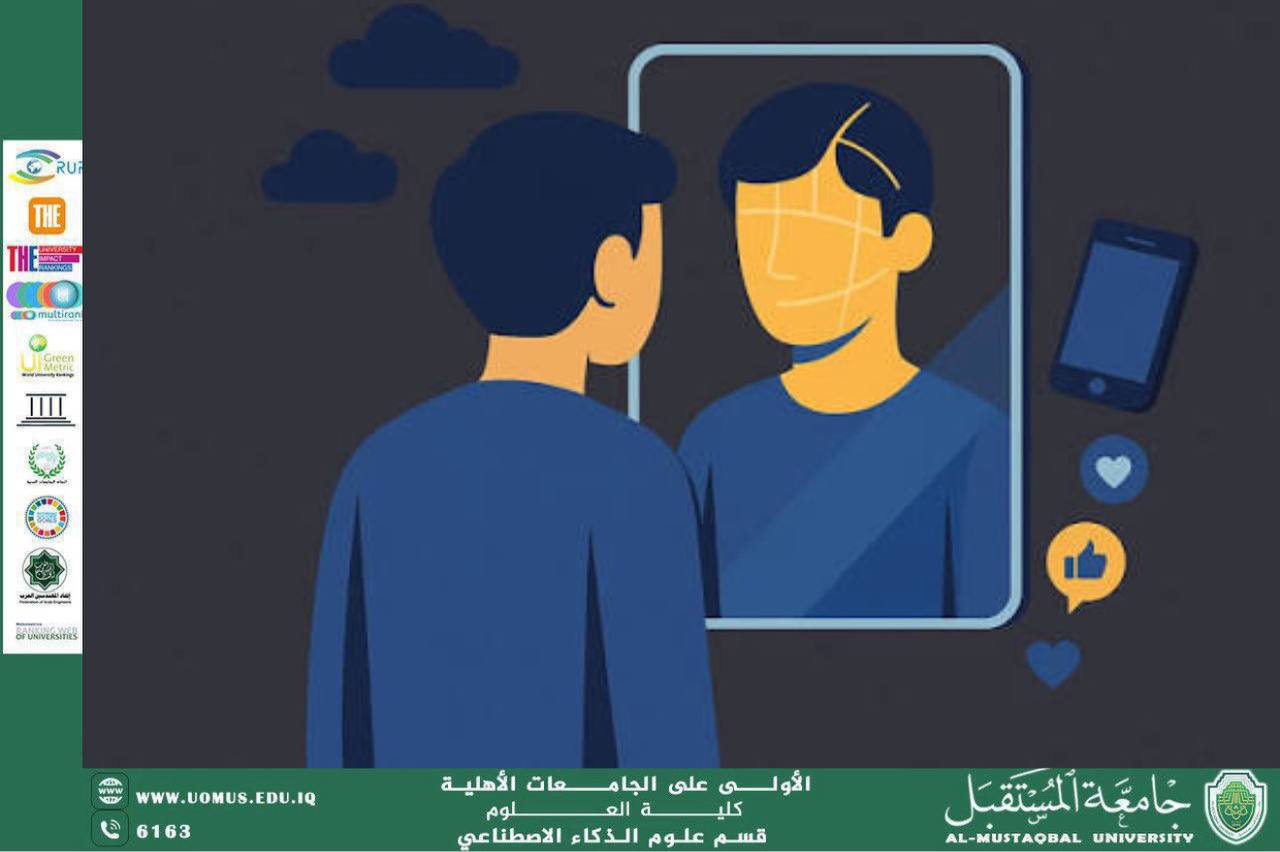
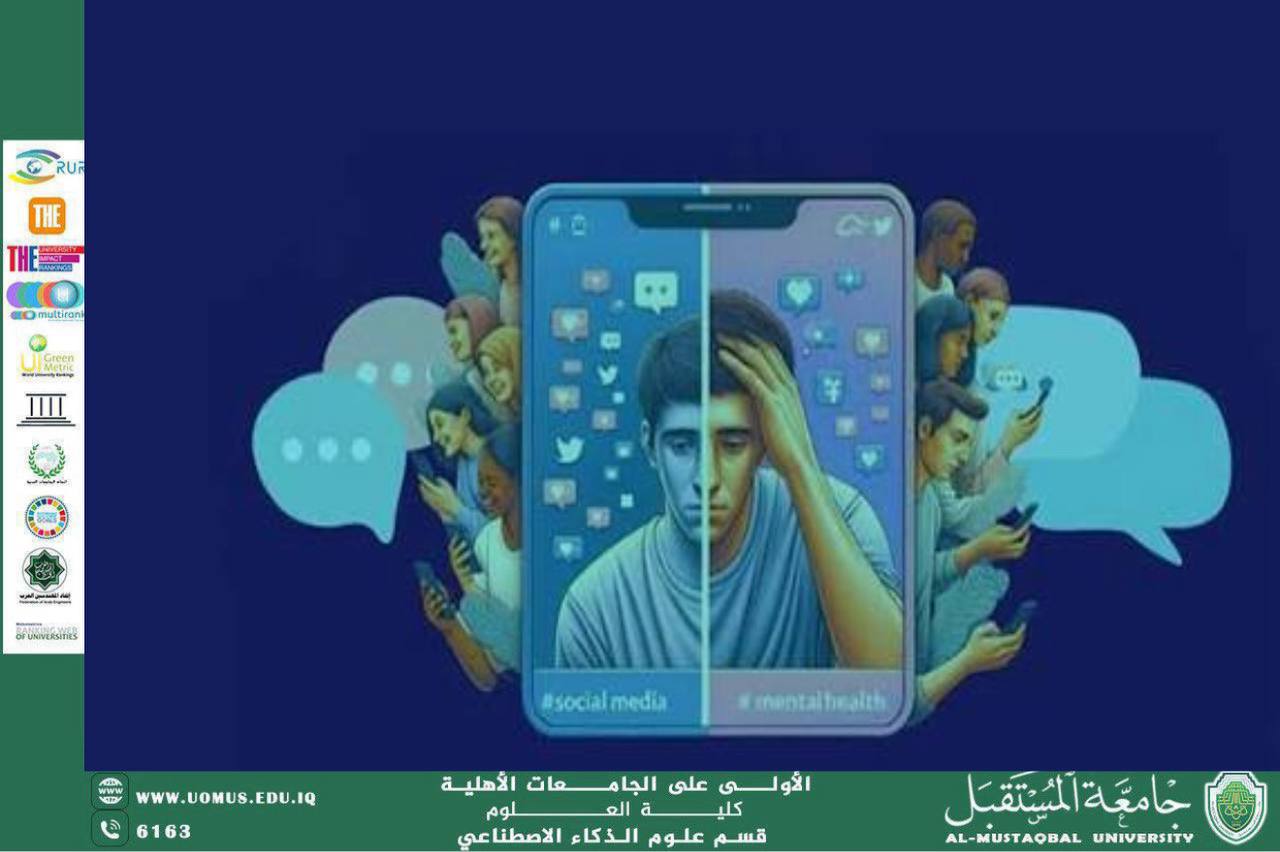
Mental health has become a critical concern in the digital age as the widespread use of social media platforms has significantly transformed patterns of communication, behavior, and social interaction. While social media provides opportunities for connectivity, information exchange, and community support, excessive and unregulated use has been associated with increased levels of anxiety, depression, and psychological distress among users. One of the primary factors contributing to these effects is social comparison, where individuals compare their real lives to the idealized and often curated representations presented by others, leading to decreased self-esteem and feelings of inadequacy. Continuous exposure to negative news, online criticism, and cyberbullying can further intensify stress and emotional instability. Moreover, excessive use of social media may reduce face-to-face interactions, contributing to social isolation and weakening interpersonal relationships, which are essential for emotional well-being. Sleep disturbances, reduced concentration, and addictive behaviors related to prolonged screen time also play a role in deteriorating mental health. Despite these challenges, social media can also serve as a valuable tool for providing psychological support, raising awareness about mental health issues, and connecting individuals with support communities. Promoting digital well-being requires encouraging balanced usage, enhancing digital literacy, and fostering awareness about the potential psychological impacts of online engagement. Ultimately, maintaining mental health in the digital era depends on adopting responsible usage habits, implementing preventive strategies, and creating supportive environments that prioritize emotional well-being in an increasingly connected world.
Al-Mustaqbal University is the leading private university among Iraqi private universities