An article by researcher Nour Hassan Obeid entitled Waste Management and Recycling in Modern Societies
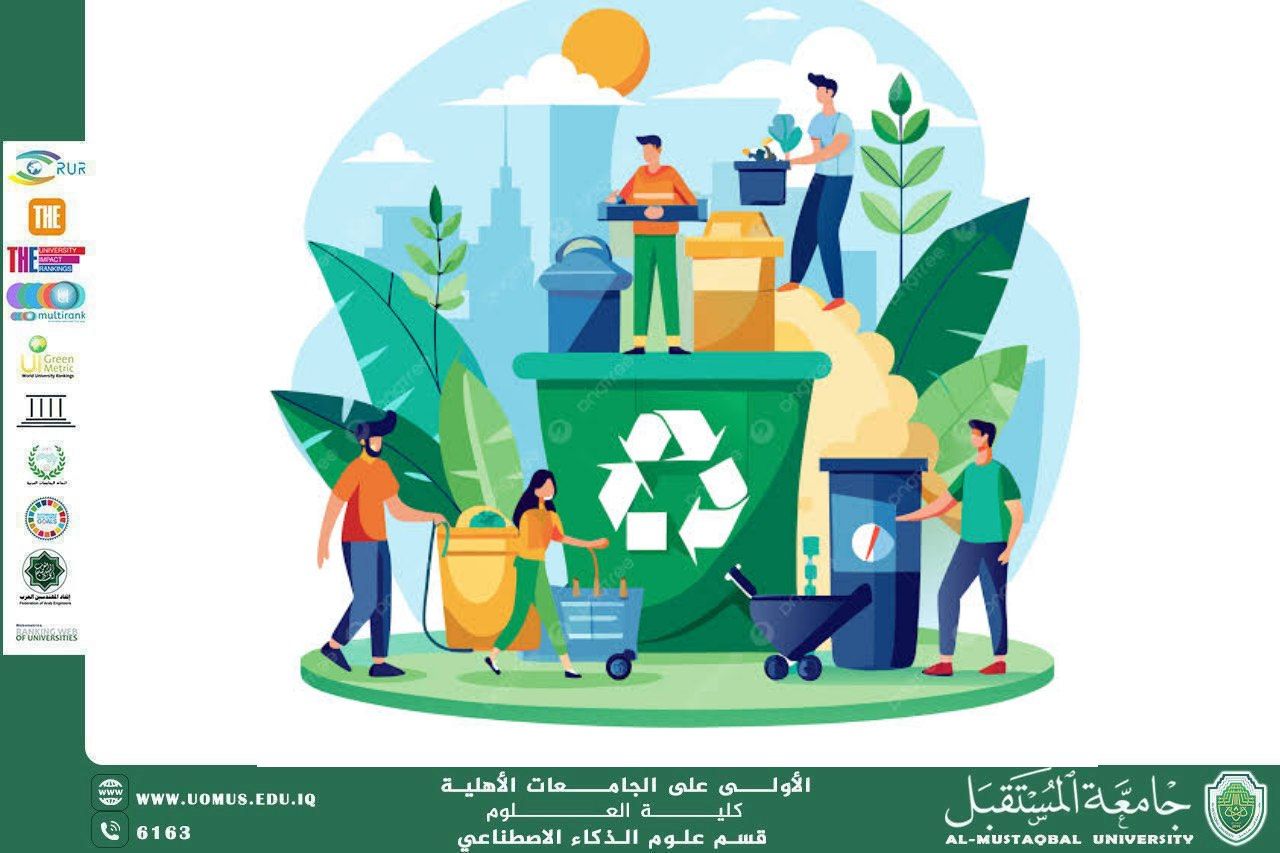
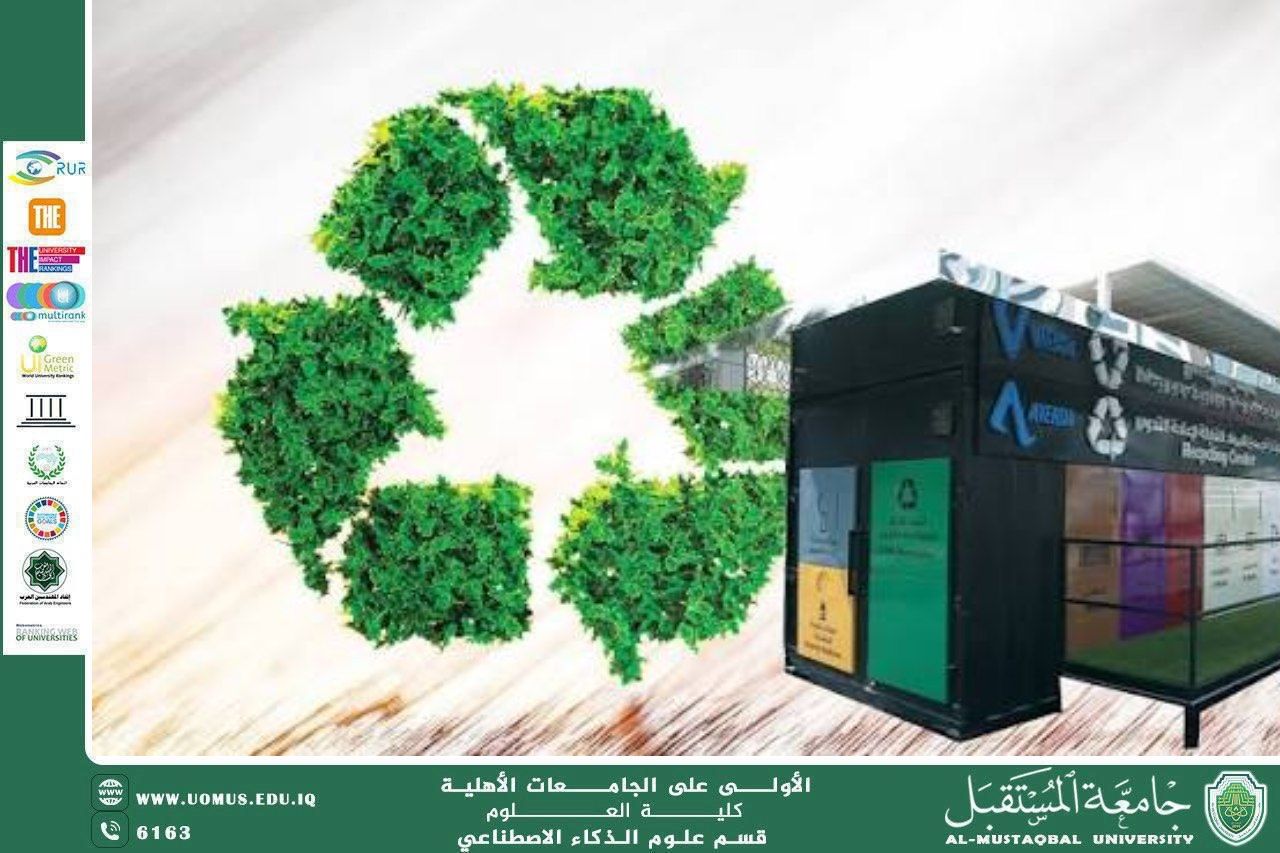
Waste management and recycling are considered fundamental pillars upon which modern societies rely to ensure their sustainability and protect their environment from the continuous degradation resulting from increasing human activities. These processes represent an integrated system aimed at reducing the negative environmental impact and the unplanned depletion of natural resources. The shift from the traditional linear economic model, which depends on manufacturing, then consumption, then disposal, towards the circular economy model represents a revolution in how we deal with waste of all kinds, whether household, industrial, or even complex electronic waste. This cycle begins by raising individual awareness of the importance of sorting waste at the source and classifying it into organic, plastic, glass, and metal materials. This facilitates its subsequent processing and increases the efficiency of specialized recycling plants that transform this waste into raw materials used in new and innovative production cycles. The matter is not limited to the environmental aspect alone; it extends to being a powerful economic driver that contributes to saving enormous sums that were previously spent on landfilling or disposing of waste in ways that harm the soil and groundwater. In addition, this sector has the potential to create thousands of job opportunities in the fields of collection, transportation, manufacturing, and scientific research related to developing biodegradation technologies. Smart waste management requires the integration of modern technologies such as the Internet of Things (IoT) and artificial intelligence (AI) to track waste routes and improve collection logistics, thereby reducing carbon emissions from large transport vehicles and conserving energy consumed in these vital processes. Strict legislation and regulations also play a crucial role in obligating major institutions to adopt environmentally friendly policies and reduce plastic packaging, which is the biggest problem in today's oceans and seas, threatening both marine biodiversity and human health. Achieving "zero waste" societies requires collaboration between governments, the private sector, and citizens through supporting innovations that transform organic waste into natural fertilizers or green bioenergy that can be used to heat homes or generate clean electricity for crowded metropolises. In this way, waste is transformed from an environmental burden and a source of disease and foul odors into a genuine national asset that contributes to strengthening the resilience of cities and their ability to face future challenges related to natural resource scarcity and the rapid population growth our planet is experiencing today. Ultimately, investing in a culture of recycling and reducing excessive consumption remains the only guarantee for a high quality of life and ensuring the rights of future generations to live in a clean, stable, and prosperous environment, both in terms of infrastructure and intellectual development.
Al-Mustaqbal University is ranked first among Iraqi private universities.