Genetic Aspects and Clinical Presentation of Cystic Fibrosis
Introduction
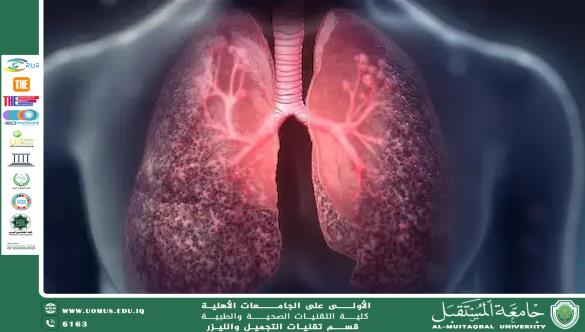
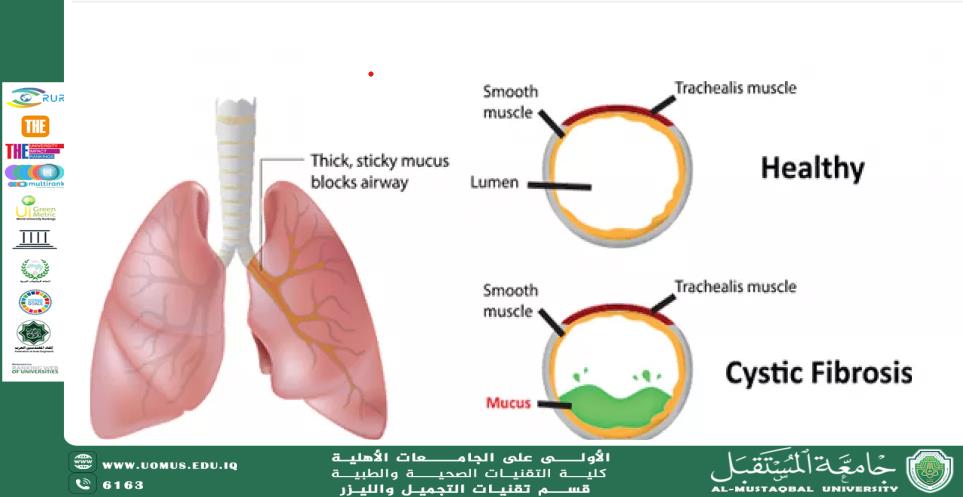
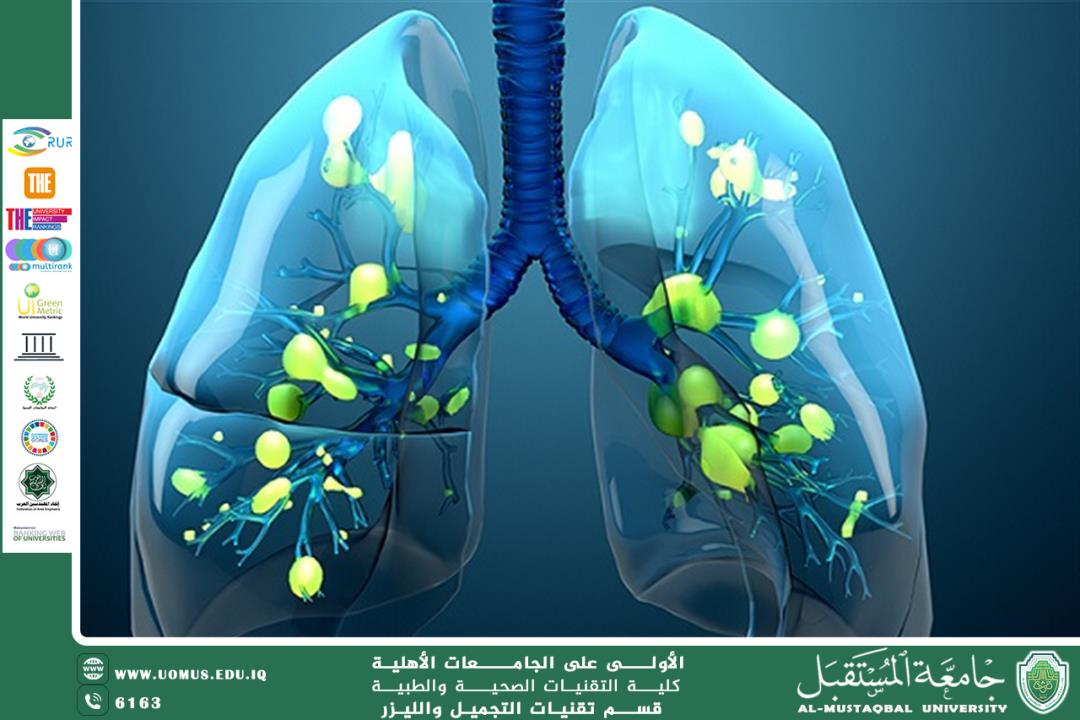
Cystic fibrosis is a chronic genetic disorder that primarily affects the lungs and digestive system. It results from a mutation in the CFTR gene, which regulates the movement of ions and water within the cells. This mutation leads to thick mucus production, causing blockages in the airways and digestive tract.
Genetic Causes
Cystic fibrosis is an autosomal recessive disease, meaning that a person must inherit two mutated copies of the gene (one from each parent) to develop the condition. Individuals with only one mutated copy are carriers who do not show symptoms but can pass the mutation to their children.
Symptoms
Common symptoms include:
Respiratory problems such as persistent coughing and recurrent lung infections.
Digestive issues such as malabsorption, fatty stools, and weight loss.
Other signs including high salt concentration in sweat and delayed growth in children.
Diagnosis
Diagnosis is based on:
Sweat test to measure sodium and chloride levels.
Genetic testing to identify mutations in the CFTR gene.
Medical and respiratory examinations to monitor lung condition.
Treatment
There is no cure for cystic fibrosis, but the disease can be managed through:
Chest physiotherapy to help clear mucus.
Bronchodilators and antibiotics to treat infections.
Nutritional supplements and pancreatic enzymes to support digestion.
In severe cases, lung transplantation may be considered.
Conclusion
Cystic fibrosis is a chronic condition that requires careful monitoring and ongoing care. Early diagnosis and understanding of genetic factors can improve patient outcomes and reduce complications.
Prepared by Huda Rafid Abdul Khaleq
AL_mustaqbal University is the first university in Iraq